What Challenges Do Students Living Away From Home Face?
Gusti Ayu Tita P
29 September 2026
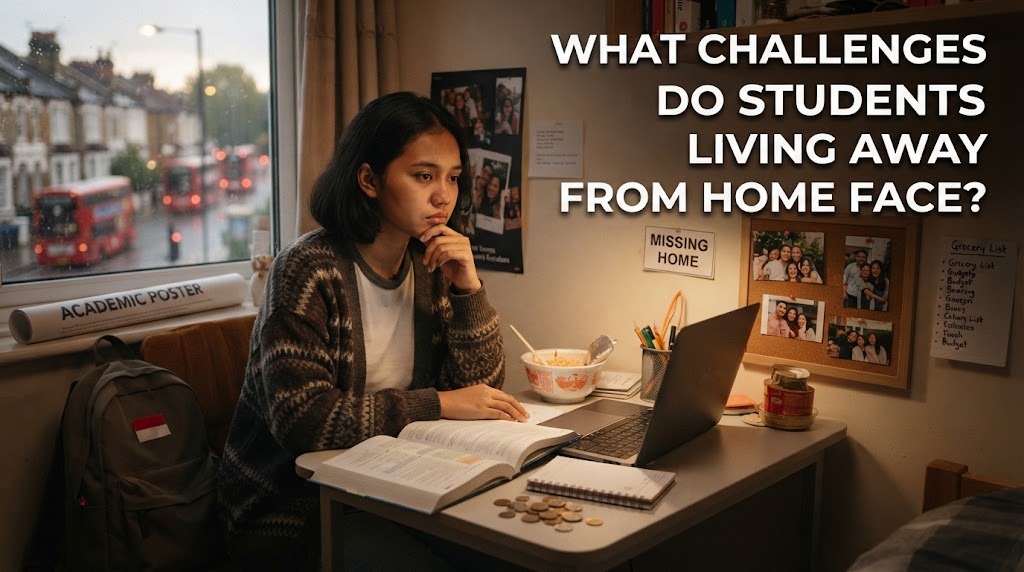
Living away from home can be an exciting experience for students, but it also comes with several challenges. Students need to adjust to a new environment, manage daily responsibilities, and continue their studies without direct support from family. These changes can feel difficult at first, especially for students who have never lived independently before. However, these challenges can also help students become more mature and responsible.
ADAPTING TO A NEW ENVIRONMENT
One of the first challenges students face is adapting to a new environment. They may need to get used to a different city, neighborhood, campus, or living space. New surroundings can feel unfamiliar and sometimes make students uncomfortable. They also need to learn how to manage daily activities without relying on familiar routines at home. With time, students can gradually become more comfortable with their new surroundings.
Students may also experience differences in culture, language, habits, and social situations. Understanding these differences can require patience and an open mind. Students can adapt by communicating with people around them and participating in positive activities. Exploring the area can also help them feel more familiar with their surroundings.
DEALING WITH HOMESICKNESS
Homesickness is another common challenge for students who live far from their families. Students may miss their parents, siblings, friends, pets, food, and familiar routines. Feelings of loneliness can become stronger during important moments or when students face problems. This can affect their mood and make their new life feel more difficult.
Regular communication with family can help students manage these feelings. Phone calls, video calls, and messages allow students to stay connected even when they are far away. Building healthy relationships with classmates and roommates can also provide emotional support. Over time, students often become more comfortable with their new routines.
MANAGING MONEY AND DAILY EXPENSES
Living away from home requires students to manage their own financial responsibilities. They may need to pay for accommodation, food, transportation, study materials, internet, and other daily needs. Without proper planning, students can spend too much money on unnecessary things. This can create financial pressure during their studies.
Creating a simple monthly budget can help students control their spending. They can separate money for important needs before using it for entertainment or other activities. Students should also compare prices and avoid unnecessary purchases when possible. Learning to manage money can become an important life skill for their future.
BALANCING STUDY AND DAILY LIFE
Students living away from home often need to manage their own schedules. They have to balance college assignments, classes, household activities, rest, and social life. Without good time management, students may become overwhelmed by their responsibilities. They may also delay assignments because they have many other things to handle.
A clear daily or weekly schedule can make these responsibilities easier to manage. Students can prioritize important academic tasks and set specific times for studying and resting. Getting enough sleep is also important because tiredness can affect concentration and academic performance. Good time management helps students maintain a healthier balance between study and personal life.
HANDLING HOUSEHOLD RESPONSIBILITIES
Another challenge is learning to handle household responsibilities independently. Students may need to cook, clean, wash clothes, organize their rooms, and buy daily necessities. These tasks can take time, especially when students are also busy with their studies. Students who previously received help from their families may need time to adjust.
Learning these responsibilities can make students more independent. They can start with simple routines, such as cleaning regularly and preparing meals in advance. Sharing responsibilities with roommates can also make daily tasks easier. These activities teach students practical skills that can be useful long after graduation.
BUILDING NEW FRIENDSHIPS
Making new friends can be difficult when students move to a different place. They may feel shy or unsure about communicating with unfamiliar people. Some students may also worry about fitting into a new social environment. These feelings can make them spend more time alone.
Joining campus activities, student organizations, clubs, or study groups can create opportunities to meet new people. Students can begin by having simple conversations with classmates. Healthy friendships can provide companionship and support during difficult situations. A positive social environment can also make living away from home feel more enjoyable.
DEALING WITH ACADEMIC PRESSURE
Students living away from home still have to deal with academic pressure while managing their personal responsibilities. Assignments, exams, presentations, and deadlines can become stressful when combined with daily household tasks. Students may not always have their families nearby to provide immediate encouragement. As a result, they need to develop ways to handle academic challenges independently.
Students can manage academic pressure by organizing their assignments and asking for help when necessary. Talking to lecturers, classmates, or academic advisors can provide useful guidance. Taking short breaks and maintaining healthy routines can also help students stay focused. Asking for support is a normal part of managing challenges, not a sign of weakness.
BECOMING MORE INDEPENDENT
Although living away from home can be challenging, it can also encourage students to develop independence. They learn to make decisions about their studies, finances, schedules, relationships, and daily activities. They also become more aware of the consequences of their choices. These experiences can gradually increase their confidence.
Students may make mistakes while learning to live independently, and this is a normal part of the process. Each experience can teach them how to solve problems more effectively. With time, students can become more confident in handling responsibilities without constant assistance. Independence is one of the valuable skills students can gain from living away from home.
CONCLUSION
Living away from home can involve challenges such as homesickness, financial management, academic pressure, household responsibilities, and social adjustment. Students may need time to adapt to their new environment and develop new routines. However, these experiences can also help them build independence, confidence, responsibility, and practical life skills. With good planning, communication, and support, students can gradually adjust and enjoy their experience away from home.
Tentang Penulis
Gusti Ayu Tita P
Penulis — Universitas STEKOM
Penulis aktif yang berfokus pada isu-isu akademik, teknologi pendidikan, dan pengembangan sumber daya manusia di lingkungan kampus.