What Happens When Workers Do Not Use PPE?
Gusti Ayu Tita P
29 September 2026
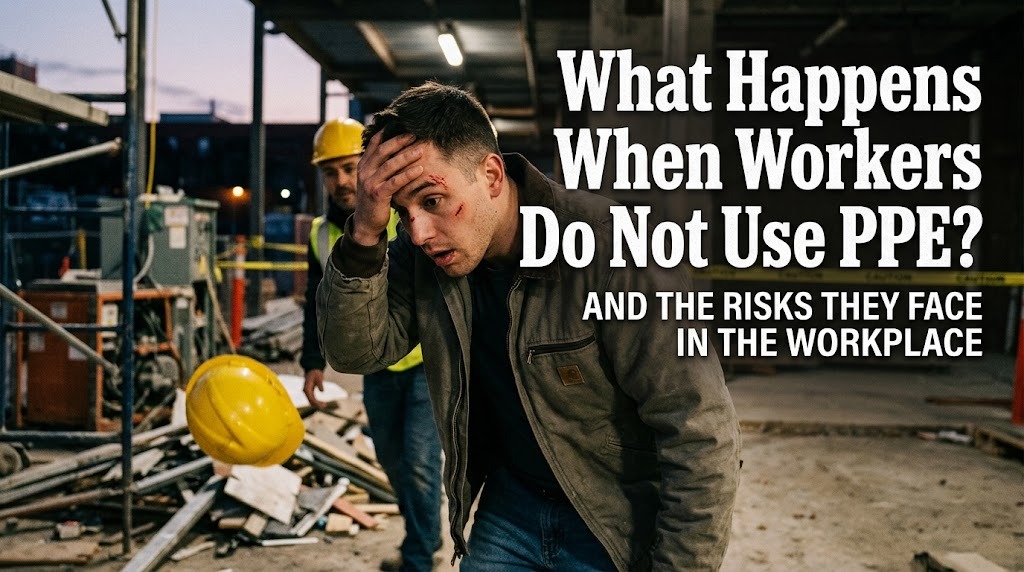
Workplaces can contain many hazards that may cause injuries or health problems when proper precautions are not followed. Personal Protective Equipment (PPE) is one of the important measures used to reduce workers’ exposure to identified hazards. However, some workers may fail to use PPE because of discomfort, lack of awareness, or unsafe habits. Not using the required PPE can increase exposure to workplace hazards and make incidents more likely to result in serious harm. Therefore, understanding the consequences of not using PPE is an important part of workplace safety.
INCREASED EXPOSURE TO WORKPLACE HAZARDS
When workers do not use required PPE, their bodies may have direct exposure to workplace hazards. For example, workers may be exposed to dust, chemicals, loud noise, flying particles, sharp objects, or falling materials. The level of risk depends on the type of hazard and the conditions in the workplace. Without appropriate protection, even routine tasks can create unnecessary exposure.
Different hazards can affect different parts of the body. Eyes may be exposed to particles or chemical splashes, while hands can be exposed to cuts, burns, or hazardous substances. Excessive workplace noise can also affect hearing when appropriate protection is not used. These risks show why workers need to understand the hazards associated with their specific tasks.
HIGHER RISK OF WORKPLACE INJURIES
Not wearing required PPE can increase the potential for workplace injuries when an incident occurs. A safety helmet, for example, is designed to provide protection against certain head hazards, while safety footwear can help protect the feet from identified workplace risks. Gloves can provide protection against specific hazards when the correct type is selected. Without suitable PPE, workers may have less protection from these hazards.
The consequences depend on factors such as the type of work, hazard level, exposure time, and safety controls already in place. PPE does not guarantee that injuries will never occur, but it can provide an additional layer of protection. Consistently using the required PPE therefore forms an important part of reducing exposure to workplace risks.
POSSIBLE LONG TERM HEALTH EFFECTS
Some workplace hazards may cause problems after repeated or prolonged exposure, rather than immediately. For example, continuous exposure to excessive noise can contribute to hearing damage, while repeated contact with certain hazardous substances may affect health. Airborne contaminants can also create risks when workers are exposed without suitable controls and protection. The effects depend on the substance, concentration, duration of exposure, and other workplace conditions.
Because some health effects may develop gradually, workers may not immediately recognize the importance of PPE. This makes preventive safety measures especially important. Employers should identify workplace hazards and implement appropriate controls to reduce exposure. Workers should follow established procedures and use PPE whenever it is required.
IMPACT ON WORKPLACE SAFETY
Ignoring PPE requirements can affect more than one individual. Workplace incidents may lead to lost work time, medical treatment, equipment damage, or disruption to operations. Serious incidents can also affect coworkers who may need to respond to an emergency. Consistent PPE use helps reinforce safe working practices across the workplace.
A strong safety environment depends on workers and employers following established procedures. Employers should provide suitable PPE and appropriate training, while workers should use the equipment correctly and report problems with it. Safety rules are most effective when they are consistently followed. Regular communication and supervision can help identify unsafe practices before they contribute to an incident.
WHY PPE COMPLIANCE IS IMPORTANT
PPE requirements should be based on a workplace risk assessment and the hazards associated with particular tasks. Workers need to understand why specific equipment is required rather than treating PPE as an unnecessary inconvenience. Training should explain how to wear, adjust, inspect, clean, and store PPE correctly. It should also explain the limitations of each type of equipment.
PPE should be used together with other safety measures, including eliminating hazards, engineering controls, and administrative controls where appropriate. PPE is generally considered an additional layer of protection when hazards cannot be adequately controlled through other measures. Workers should also report damaged or unsuitable PPE so it can be replaced or addressed. These practices help maintain safer working conditions.
CONCLUSION
Failing to use required PPE can increase workers’ exposure to workplace hazards and may increase the potential consequences of workplace incidents. Depending on the hazard, workers may face risks involving their eyes, head, hands, feet, hearing, breathing, or other parts of the body. PPE is not a complete substitute for hazard elimination or other safety controls, but it can provide an important additional layer of protection. By selecting appropriate equipment, providing proper training, and using PPE consistently, workplaces can better manage occupational risks and promote safer working practices.
Tentang Penulis
Gusti Ayu Tita P
Penulis — Universitas STEKOM
Penulis aktif yang berfokus pada isu-isu akademik, teknologi pendidikan, dan pengembangan sumber daya manusia di lingkungan kampus.