What Is a Digital Novel?
Gusti Ayu Tita P
29 September 2026
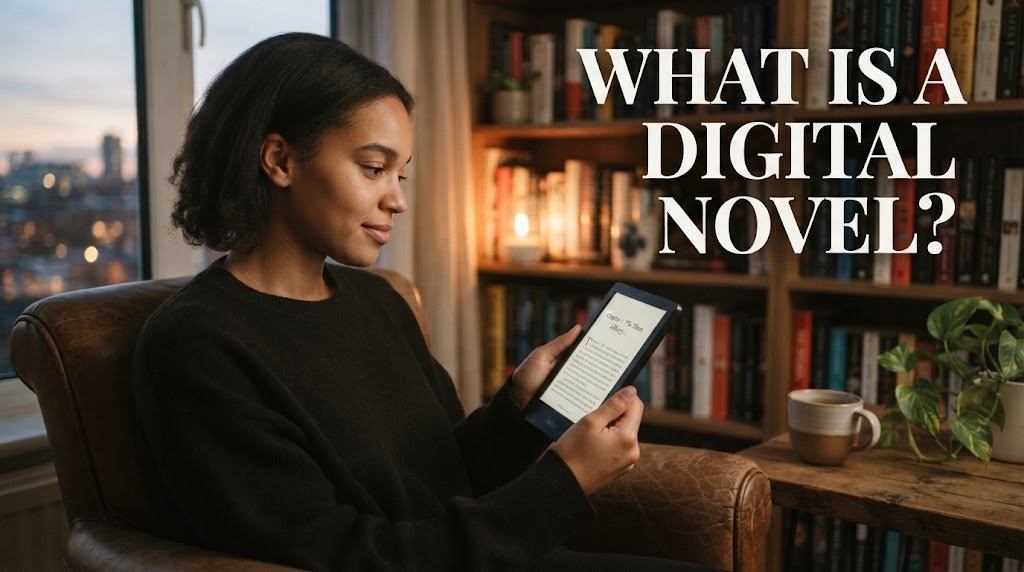
Technology has changed the way people create, publish, and enjoy stories. One example is the digital novel, which allows readers to enjoy fictional stories through electronic devices instead of traditional printed books. Digital novels can be accessed using smartphones, tablets, computers, e-readers, or other compatible devices. Their growing availability has made reading more flexible and accessible for many people. Understanding what a digital novel is can help readers recognize its features, benefits, and role in modern reading culture.
DEFINITION OF A DIGITAL NOVEL
A digital novel is a novel that is created, published, and distributed in an electronic format. Unlike a printed novel, it does not require physical paper because the content is stored as a digital file or provided through an online reading platform. Readers can access digital novels using devices such as smartphones, tablets, computers, and e-readers. Depending on the platform, a digital novel may be available as an e-book or as an online story that can be read directly through an application or website. The main purpose remains the same as a traditional novel, which is to present a fictional story through written language.
Digital novels can contain different genres, including romance, fantasy, mystery, horror, adventure, drama, and science fiction. Some are written by established authors, while others are created by independent or new writers. Digital publishing also allows authors to distribute their work without relying entirely on traditional printing processes. As a result, digital novels have become an important part of modern literature and online reading.
HOW DIGITAL NOVELS WORK
Digital novels are usually stored in electronic formats that can be opened using compatible reading applications or devices. Some files can be downloaded and read without an internet connection, while other novels require readers to access an online platform. The exact reading method depends on the publisher, author, application, or service that provides the novel. Many platforms also allow readers to save their progress, bookmark pages, or adjust the appearance of the text. These features can make the reading experience more flexible.
Some digital reading platforms also provide additional functions that are not normally available in printed books. Readers may be able to change font size, adjust screen brightness, use a night reading mode, or search for specific words. Certain platforms may also provide comments, ratings, recommendations, or community features. However, the available features can differ between platforms and individual digital novels.
FEATURES OF DIGITAL NOVELS
One important feature of a digital novel is its electronic format, which allows the story to be stored on a digital device. A single device can contain many novels, making it possible for readers to carry a large collection without carrying physical books. Digital novels can also be designed with adjustable text settings that help readers create a more comfortable reading experience. Some platforms provide additional tools such as bookmarks, reading history, and personalized recommendations. These features make digital reading different from the experience of reading a traditional printed novel.
Another feature is the ability to distribute stories through online platforms. Authors can publish their work on websites, applications, or digital bookstores depending on the publishing method they choose. Readers can often discover new stories through search functions, recommendations, reviews, and online communities. This makes the process of finding and accessing novels more connected to digital technology.
BENEFITS OF READING DIGITAL NOVELS
Digital novels offer several benefits for modern readers. One of the most noticeable advantages is convenience, because readers can access stories from devices that they already use in everyday life. Digital books also require less physical storage, allowing readers to keep many titles without needing a bookshelf. In addition, readers can often purchase or access a novel quickly without waiting for a physical copy to be delivered. These advantages can make reading easier for people who prefer digital devices.
Digital novels can also support a more personalized reading experience. Readers may adjust the font size, screen brightness, and other settings depending on the available features. Some platforms allow users to continue reading across different devices or save their reading progress automatically. Digital novels can therefore fit different reading habits and situations. However, readers still need to consider factors such as screen time, battery use, and platform access when choosing digital reading.
DIGITAL NOVELS FOR AUTHORS AND READERS
Digital novels provide opportunities not only for readers but also for authors. Writers can use digital platforms to publish their stories and reach readers in different locations. New authors may also have opportunities to introduce their work without depending entirely on traditional publishing methods. Some platforms allow readers to provide comments and feedback, giving writers information about how audiences respond to their stories. This interaction can create a closer connection between writers and readers.
For readers, digital platforms can provide access to a wide variety of stories from different authors and backgrounds. Readers can discover independent writers, serialized stories, translated works, and different genres in one digital environment. However, readers should pay attention to copyright and use legal sources when accessing digital novels. Respecting copyright helps protect authors and supports the continued creation of original literature.
THE ROLE OF DIGITAL NOVELS IN MODERN READING
Digital novels have become part of the changing reading culture influenced by smartphones, the internet, and other digital technologies. Their accessibility allows people to read in different places and at different times, depending on their devices and available platforms. Digital novels also give authors more ways to distribute their stories and communicate with audiences. At the same time, readers need to develop responsible digital reading habits and choose reliable sources. The growth of digital novels shows how literature can adapt to changes in technology while maintaining the basic purpose of storytelling.
The development of digital reading does not necessarily mean that printed novels have lost their value. Both formats can provide different experiences depending on the reader's preferences and circumstances. Digital novels focus on flexibility and accessibility, while printed novels provide a physical reading experience. Readers can choose the format that best fits their needs. As technology continues to develop, digital novels are likely to remain one of the ways people discover and enjoy literature.
CONCLUSION
A digital novel is a novel presented in an electronic format that can be read through digital devices or online platforms. It offers convenience, flexible access, adjustable reading features, and opportunities for authors to reach wider audiences. Digital novels are available in many genres and can be distributed through different legal digital platforms. Although they provide many advantages, readers should also consider responsible reading habits and respect copyright. Overall, digital novels represent an important development in modern literature and provide another practical way for people to enjoy stories.
Tentang Penulis
Gusti Ayu Tita P
Penulis — Universitas STEKOM
Penulis aktif yang berfokus pada isu-isu akademik, teknologi pendidikan, dan pengembangan sumber daya manusia di lingkungan kampus.