What Is a Job Hopper and Why Do They Change Jobs Frequently?
Gusti Ayu Tita P
23 September 2026
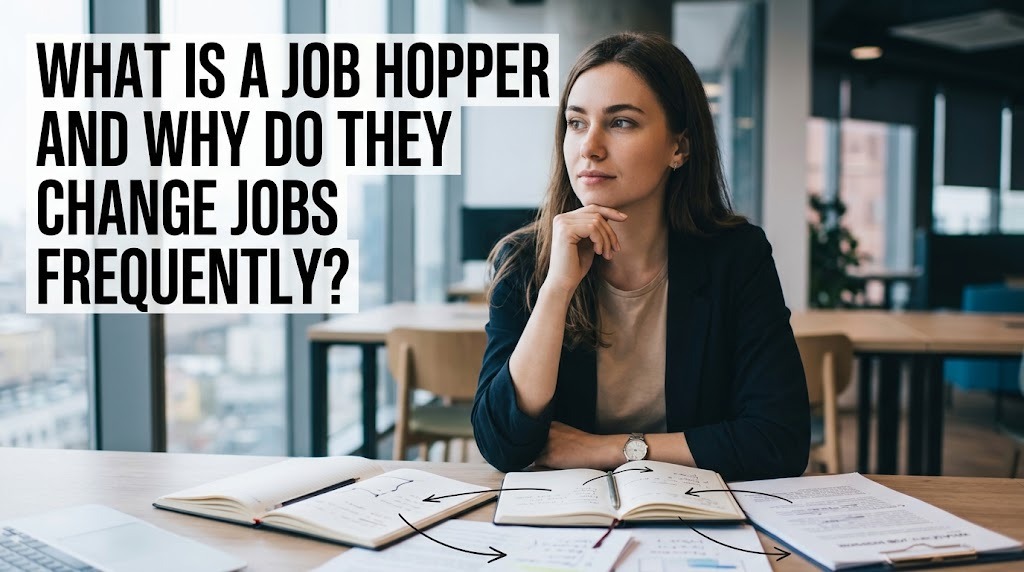
Changing jobs several times has become more common in today’s working environment. Some people move to a new company because they want better opportunities, while others are looking for a workplace that fits their skills and goals. This pattern is often described as job hopping. However, being a job hopper does not automatically mean someone has poor career planning. The reasons behind frequent job changes can be different for every person.
WHAT IS A JOB HOPPER?
A job hopper is a person who changes jobs relatively frequently, often spending a shorter period at each company compared with employees who stay for many years. There is no universal number of months or years that officially defines someone as a job hopper. The term usually depends on the person’s work history, the frequency of changes, and the expectations of the industry. For example, repeatedly moving between different companies after short periods may be viewed as job hopping by some employers. However, changing jobs because of a promotion, company restructuring, relocation, or other reasonable circumstances can have a different context.
Job hopping can happen at different stages of a person’s career. Some workers change jobs early because they are still discovering their interests and strengths. Others make frequent moves to gain new skills, experience different responsibilities, or find better career opportunities. Therefore, it is important to look at the reasons and results of each job change instead of judging a worker only from the number of companies listed on their CV.
WHY DO PEOPLE BECOME JOB HOPPERS?
People may become job hoppers for many different reasons. One common reason is the desire for career growth, especially when an employee feels that their current position does not provide enough opportunities to learn or advance. Salary and benefits can also influence a decision to move, particularly when another company offers better compensation. Some workers leave because of an unhealthy workplace, poor management, limited responsibilities, or a lack of opportunities to develop their abilities. Others may change jobs because they discover that their current role does not match their long-term interests.
Personal circumstances can also affect employment decisions. A worker may need to move because of relocation, family responsibilities, changes in education, or changes within the company. In some situations, employees may also lose their jobs because of layoffs, business closures, or organizational restructuring. These situations should not necessarily be treated as voluntary job hopping. Understanding the specific reason behind each transition provides a more accurate picture of a person’s career journey.
IS JOB HOPPING ALWAYS A BAD THING?
Job hopping is not always negative, because its effect depends on how and why a person changes jobs. A worker who changes companies strategically may gain broader experience, develop new skills, and discover better career opportunities. Moving to a new position can also provide greater responsibility or exposure to different working environments. In industries where skills and opportunities change quickly, switching jobs can sometimes help workers develop their careers. However, frequent moves without clear reasons may create concerns for employers.
Employers may question whether a candidate will stay long enough to contribute to the organization. A pattern of very short employment periods can also make it harder for a worker to demonstrate long-term achievements. For this reason, job hoppers should be able to explain their career decisions clearly. A strong work history should show what the person learned, achieved, and contributed in each position rather than simply showing a long list of employers.
HOW JOB HOPPING CAN AFFECT A CAREER
Frequent job changes can have both positive and negative effects on career development. On the positive side, workers may gain experience with different companies, technologies, teams, customers, and management styles. This can create a broader skill set and help employees understand which type of work environment suits them. Changing positions can also expose workers to new responsibilities that may not have been available in their previous roles. Over time, this experience can become valuable when applying for positions with greater responsibilities.
On the other hand, constantly changing jobs without developing meaningful achievements can make a career history look inconsistent. Workers may also have less time to build strong professional relationships or complete long-term projects. In addition, some employers may hesitate to hire candidates whose resumes show repeated short-term employment. Therefore, the quality of each career move matters. Purposeful job changes supported by measurable achievements can provide a clearer career story than frequent changes made without a specific direction.
HOW TO BUILD A STRONG CAREER AS A JOB HOPPER
Job hoppers can build a strong career by making each job change purposeful. Before accepting a new position, workers should consider whether it provides better opportunities to develop skills, responsibilities, professional networks, or career prospects. They should also research the company and understand the role before making a decision. Keeping records of completed projects, achievements, and skills can help demonstrate the value gained from each position. This makes the career journey easier to explain to future employers.
Professional relationships are also important. Even when leaving a company, workers should communicate professionally and avoid damaging relationships with former colleagues or managers. A positive reputation can become valuable when seeking references or future opportunities. Job hoppers should also avoid changing jobs simply because a new opportunity looks attractive in the short term. Long-term career goals should remain an important part of every employment decision.
CONCLUSION
A job hopper is generally someone who changes jobs frequently, but the meaning and impact of job hopping depend on the circumstances behind those changes. People may move between jobs because they want better opportunities, higher compensation, new skills, greater responsibility, or a workplace that better matches their goals. Job hopping can provide valuable experience, but frequent moves without clear direction may create challenges during future recruitment. The most important factor is whether each career move contributes to meaningful professional growth.
Workers who change jobs should focus on building a clear and positive career story. Each position should ideally provide new knowledge, skills, achievements, or experiences that support future goals. By making thoughtful decisions, maintaining professional relationships, and communicating their reasons clearly, job hoppers can demonstrate that their career changes are part of a purposeful journey.
Tentang Penulis
Gusti Ayu Tita P
Penulis — Universitas STEKOM
Penulis aktif yang berfokus pada isu-isu akademik, teknologi pendidikan, dan pengembangan sumber daya manusia di lingkungan kampus.