What Is a Political Party and Why Does It Matter in a Democracy?
Gusti Ayu Tita P
24 September 2026
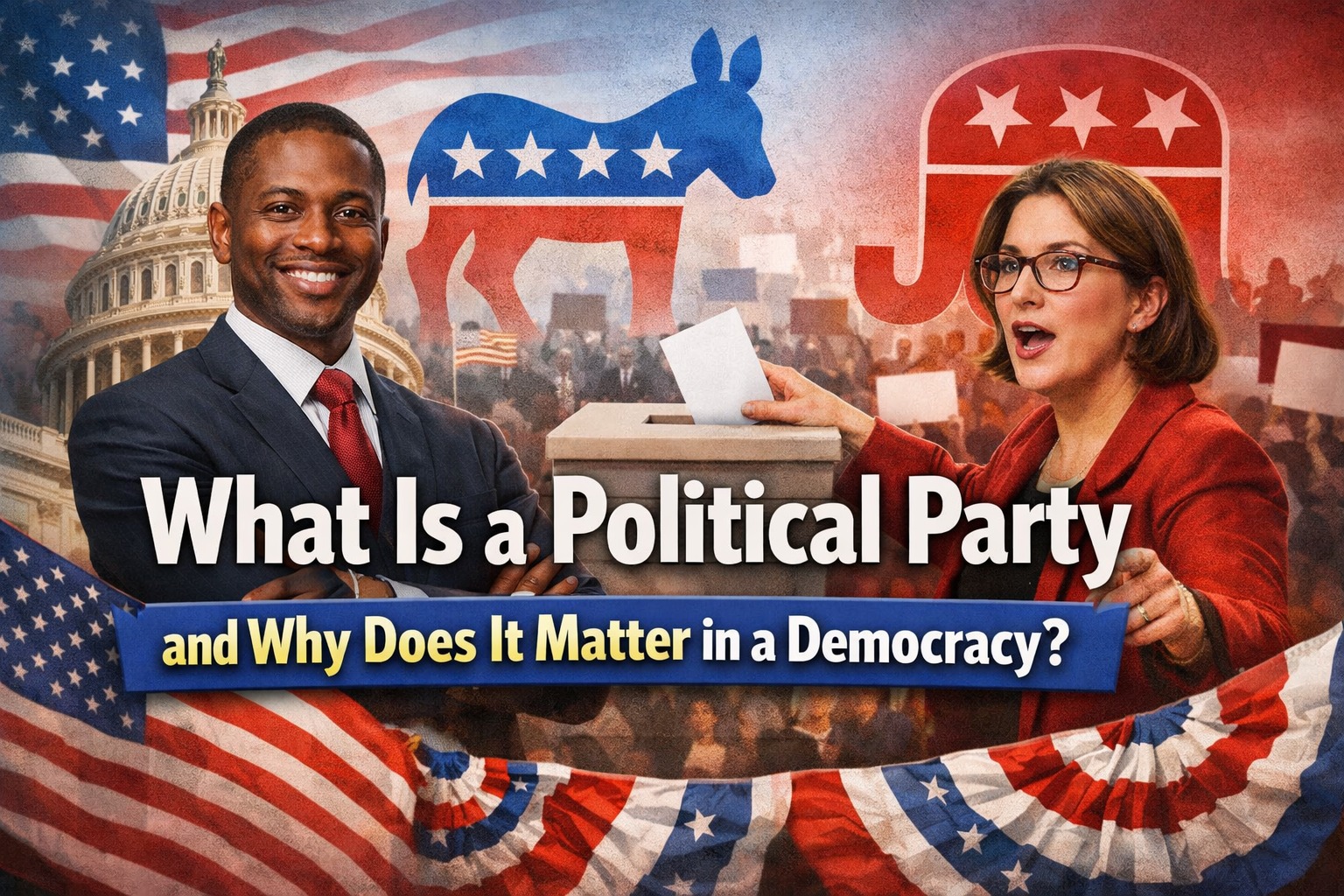
A political party is one of the most important institutions in any democratic system. It brings together people who share similar ideas about how a country should be governed and how public issues should be addressed. Political parties compete in elections, present policy proposals, and seek public support to gain the opportunity to lead or influence government decisions. Without political parties, democracy would be far less organized and citizens would have fewer ways to express their political preferences.
A strong democracy depends on fair elections, active public participation, and responsible political parties. Political parties help connect citizens with the government by representing different interests and viewpoints. They also encourage political debate, educate voters, and promote accountability among elected officials. Understanding their role helps citizens make informed decisions during elections and contribute more effectively to democratic life.
WHAT IS A POLITICAL PARTY?
A political party is an organized group of people who share common political beliefs, values, or goals. These groups aim to influence government policies by participating in elections and supporting candidates who represent their vision. Political parties often create platforms that explain their positions on important issues such as the economy, education, healthcare, national security, and environmental protection. By offering different policy choices, they allow voters to decide which direction they want their country to take.
Political parties also recruit and prepare future leaders who may serve in government positions. They help organize election campaigns, communicate policy ideas, and encourage citizens to participate in the democratic process. In many democratic countries, several political parties compete peacefully, giving voters a variety of options. This competition helps maintain a healthy political system where ideas can be discussed openly.
WHY POLITICAL PARTIES ARE ESSENTIAL IN A DEMOCRACY?
Political parties play a central role in ensuring that democracy functions effectively. They represent different groups within society and give citizens a voice in government decision-making. By presenting clear policies and leadership choices, political parties make elections more meaningful and organized. They also encourage political participation by motivating people to vote, volunteer, and engage in public discussions.
Another important function is government accountability. Political parties monitor each other's performance and challenge policies they believe are ineffective or unfair. This system of checks and balances encourages transparency and responsible governance. Healthy political competition also pushes parties to improve their ideas and respond to the changing needs of society.
THE MAIN FUNCTIONS OF A POLITICAL PARTY
Political parties perform several important functions beyond simply contesting elections. They identify public concerns, develop policy solutions, and communicate these ideas to voters. Through debates, campaigns, and public events, parties help citizens understand national issues and compare different political perspectives. This educational role strengthens democratic awareness among the public.
In addition, political parties help create stable governments after elections. When a party wins enough seats or forms a coalition, it can implement policies based on its campaign promises. Parties also provide an organized structure for legislators to work together toward common goals. This coordination makes the legislative process more efficient and helps governments function smoothly.
HOW POLITICAL PARTIES BENEFIT SOCIETY?
Political parties contribute to social stability by providing peaceful ways to resolve political disagreements. Instead of using conflict or violence, citizens can express their opinions through elections and democratic participation. Political parties create opportunities for people with different backgrounds to cooperate in solving national problems. This strengthens unity while respecting diverse viewpoints.
They also promote political education by informing the public about laws, government programs, and public policies. Campaigns, debates, and community outreach activities help citizens better understand how government decisions affect their daily lives. As a result, voters become more informed and are better prepared to choose leaders who align with their values and priorities.
CHALLENGES FACED BY POLITICAL PARTIES
Despite their importance, political parties often face significant challenges. Political polarization, misinformation, declining public trust, and low voter participation can weaken democratic institutions. Internal conflicts, lack of transparency, and failure to fulfill campaign promises may also reduce public confidence. These challenges require continuous efforts to improve party governance and strengthen democratic practices.
Political parties must also adapt to technological changes and the growing influence of digital communication. Social media has increased access to political information but has also made it easier for false information to spread rapidly. To remain effective, parties need to communicate honestly, encourage respectful dialogue, and maintain strong ethical standards. Building trust with citizens remains essential for long-term democratic success.
CONCLUSION
A political party is much more than an organization seeking political power. It serves as a bridge between citizens and government, represents public interests, develops policy solutions, and supports democratic governance. Through elections, public engagement, and accountability, political parties help ensure that democracy remains active, competitive, and responsive to the needs of society.
Understanding the role of political parties enables citizens to participate more responsibly in democratic life. An informed public is better equipped to evaluate policies, choose capable leaders, and contribute to the continued development of a fair and transparent political system. Strong political parties and active citizens together create the foundation of a healthy democracy.
Tentang Penulis
Gusti Ayu Tita P
Penulis — Universitas STEKOM
Penulis aktif yang berfokus pada isu-isu akademik, teknologi pendidikan, dan pengembangan sumber daya manusia di lingkungan kampus.