What Is PPE and Why Is It Important for Workplace Safety?
Gusti Ayu Tita P
29 September 2026
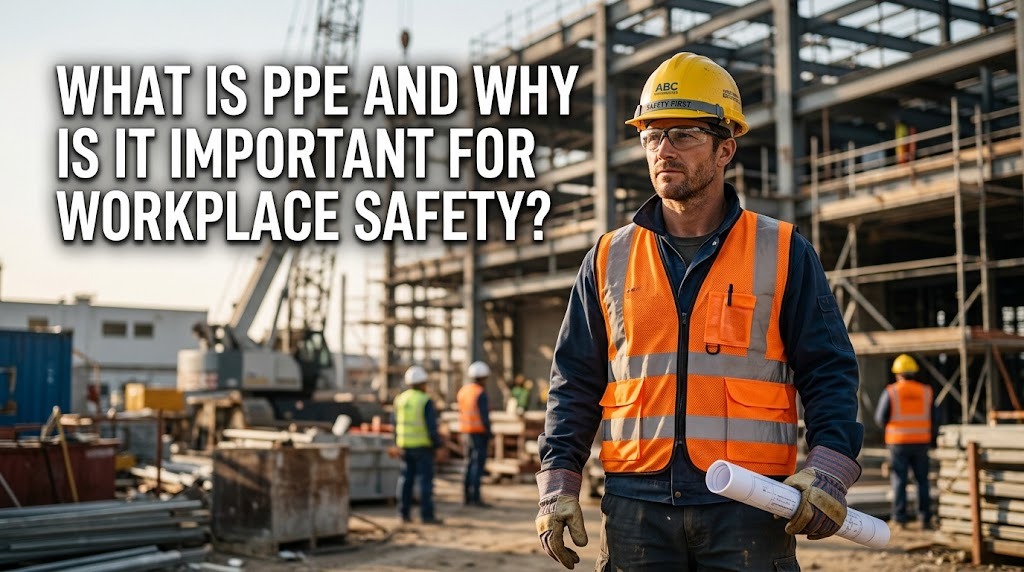
Personal Protective Equipment or PPE is equipment designed to protect workers from hazards that may cause injury or illness while working. PPE can include helmets, safety glasses, gloves, safety footwear, ear protection, and protective clothing. It is commonly used in workplaces where workers may face physical, chemical, biological, electrical, or other occupational hazards. PPE is an important part of workplace safety because it provides a protective barrier between workers and potential sources of harm. However, PPE should be used together with other safety measures rather than being the only method of protection.
WHAT IS PPE IN THE WORKPLACE?
PPE refers to equipment worn or used by workers to reduce exposure to workplace hazards. Different jobs require different types of protection because the risks can vary between industries and work activities. For example, construction workers may need hard hats and safety footwear, while laboratory workers may require gloves, eye protection, and protective clothing. The equipment should be suitable for the specific hazards identified in the workplace. Proper selection is important because unsuitable PPE may not provide adequate protection.
Employers should identify workplace hazards and determine what protective equipment workers need. Workers should also understand the purpose of each item and how to use it correctly. PPE must fit properly so that it can provide effective protection without unnecessarily limiting movement or creating additional risks. Regular checks are also needed to make sure equipment remains in good condition. These practices help ensure that PPE can perform its intended protective function.
WHY IS PPE IMPORTANT FOR WORKPLACE SAFETY?
The main purpose of PPE is to reduce workers exposure to hazards that cannot be completely eliminated through other controls. Depending on the workplace, hazards may include falling objects, sharp materials, excessive noise, chemicals, dust, heat, or electrical risks. Appropriate PPE can reduce the likelihood or severity of injuries when workers are exposed to these hazards. It therefore plays an important role in a broader workplace safety program. Its effectiveness depends on choosing, wearing, and maintaining the equipment correctly.
PPE also helps workers become more aware of the risks associated with their tasks. When employees consistently use required protective equipment, it can support safer working habits and reinforce workplace safety procedures. However, PPE should not replace measures such as eliminating hazards, using safer equipment, or installing engineering controls when those measures are possible. A strong safety program uses PPE as one layer of protection. This approach can provide more comprehensive protection for workers.
WHAT TYPES OF PPE ARE COMMONLY USED?
There are many types of PPE, and each one is designed to protect a particular part of the body or reduce exposure to a specific hazard. Head protection such as safety helmets can help protect against impacts and falling objects. Eye and face protection can reduce exposure to flying particles, splashes, or other hazards. Gloves can protect the hands from hazards such as cuts, chemicals, heat, or certain forms of contamination, depending on their design.
Other examples include safety footwear, hearing protection, respiratory protection, and protective clothing. Safety footwear may help protect the feet from impacts, punctures, or other workplace hazards. Hearing protection can reduce exposure to excessive workplace noise, while respirators can provide protection against certain airborne hazards when properly selected and used. Protective clothing can provide a barrier against specific workplace hazards. Workers should always use equipment that matches the hazards of their particular tasks.
HOW SHOULD WORKERS USE PPE CORRECTLY?
Using PPE correctly involves more than simply wearing the equipment. Workers should receive proper training on how to put on, adjust, remove, clean, store, and inspect their PPE. Equipment should be checked before use for visible damage, contamination, or other conditions that could affect its protective function. Workers should also follow workplace instructions and manufacturer guidance for the equipment they use. PPE that is damaged or unsuitable should not be relied upon for protection.
Correct fit is another important factor in PPE use. Equipment that is too loose, too tight, or otherwise uncomfortable may not provide the intended level of protection. Workers should report damaged equipment or problems with fit to the appropriate supervisor or safety personnel. Regular inspection and maintenance can help keep PPE ready for safe use. These steps make PPE more reliable as part of the workplace safety system.
WHAT CAN HAPPEN IF PPE IS NOT USED PROPERLY?
Failure to use required PPE can increase a worker's exposure to workplace hazards. Depending on the situation, this may contribute to injuries, harmful exposure, hearing damage, eye injuries, respiratory problems, or other occupational health risks. The exact consequences depend on the type of hazard and the level of exposure. PPE cannot guarantee that an accident will never happen, but appropriate equipment can provide an important layer of protection. Consistent and correct use is therefore essential.
Workplace safety also depends on cooperation between employers and workers. Employers should provide appropriate PPE and relevant training, while workers should follow established safety procedures and use the equipment as instructed. Safety responsibility is shared across the workplace. Regular safety education can help employees understand why PPE is necessary rather than treating it as an unnecessary requirement. With proper selection, training, and consistent use, PPE can contribute significantly to a safer working environment.
CONCLUSION
PPE is an important part of workplace safety because it helps protect workers from hazards that may cause injury or illness. Different jobs require different protective equipment, so PPE should always be selected according to the risks involved. Workers need proper training to use, inspect, maintain, and store PPE correctly. Employers should also provide suitable equipment and establish clear safety procedures. When PPE is used correctly together with other hazard-control measures, it can provide an important layer of protection and support a stronger safety culture.
Tentang Penulis
Gusti Ayu Tita P
Penulis — Universitas STEKOM
Penulis aktif yang berfokus pada isu-isu akademik, teknologi pendidikan, dan pengembangan sumber daya manusia di lingkungan kampus.