
What Is the Connection Between Trust Issues and Fear of Being Hurt?
Gusti Ayu Tita P
26 September 2026
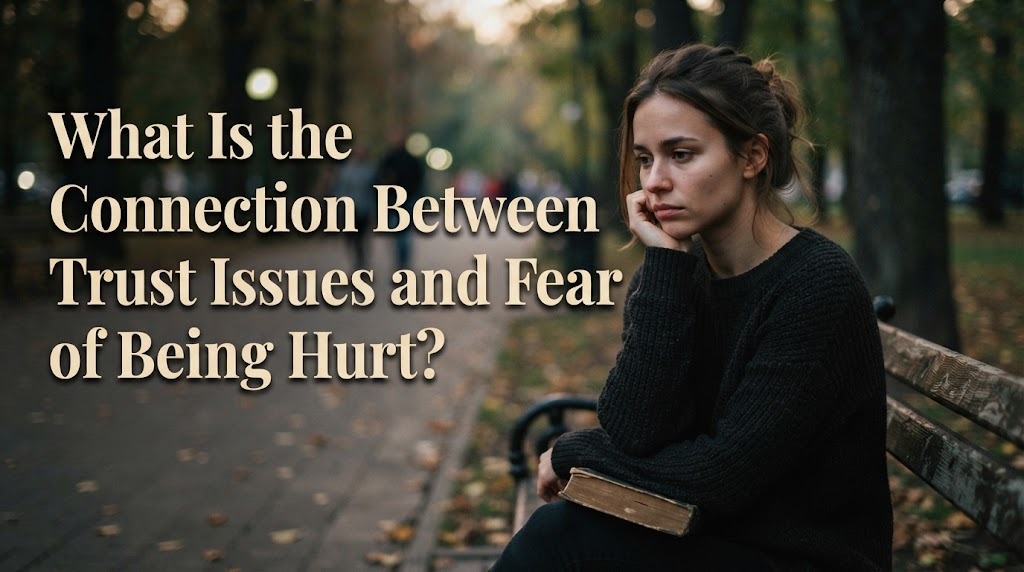
Trust is an important part of healthy relationships, but fear of being hurt can make it difficult for someone to trust others. When a person has experienced betrayal, rejection, dishonesty, or disappointment, they may become more cautious in future relationships. This caution can gradually develop into trust issues when the fear begins affecting how they understand and respond to other people.
Trust issues and fear of being hurt are closely connected because both involve emotional protection. A person may doubt others, overthink situations, avoid vulnerability, or expect something negative to happen because they want to prevent another painful experience. Understanding this connection can help someone recognize their reactions and develop healthier ways to build emotional security and trust.
PAST HURT CAN CREATE FEAR OF TRUSTING AGAIN
Past painful experiences can strongly influence how someone approaches new relationships. Being lied to, cheated on, rejected, abandoned, or repeatedly disappointed may create a belief that trusting people is dangerous. The person may remember how painful the previous experience was and become afraid that the same thing will happen again.
This fear can make someone more careful about becoming emotionally close to others. They may question people's intentions or look for possible warning signs even when there is no clear evidence of a problem. In this situation, past betrayal can become a source of trust issues and influence how a person responds to future relationships.
FEAR CAN MAKE SOMEONE EXPECT THE WORST
Someone who is afraid of being hurt may begin expecting negative outcomes. They might assume that a partner will eventually leave, a friend will betray them, or another person is hiding something. These expectations can develop even when the current relationship has not provided strong reasons for concern.
Expecting the worst can feel like a form of emotional protection. If someone prepares themselves for disappointment, they may believe the pain will be easier to handle. However, negative expectations can prevent someone from recognizing genuine honesty, care, and positive behavior from other people.
TRUST ISSUES CAN LEAD TO OVERTHINKING
Fear of being hurt can cause a person to analyze small details in other people's behavior. A delayed message, different tone, canceled plan, or short response may become a reason for concern. Instead of considering several possible explanations, the person may immediately focus on the most negative possibility.
This pattern can create overthinking in relationships and increase emotional stress. The more someone searches for signs of betrayal, the more suspicious ordinary situations may appear. Learning to separate facts from assumptions can help reduce unnecessary worry and create a more balanced understanding of what is happening.
FEAR OF VULNERABILITY CAN REDUCE EMOTIONAL CLOSENESS
Trust requires a certain level of vulnerability. People need to feel comfortable sharing their thoughts, emotions, concerns, and personal experiences with others. However, someone who strongly fears being hurt may believe that showing vulnerability gives another person the opportunity to cause emotional pain.
As a result, they may avoid opening up or keep people at an emotional distance. They may want a close relationship but become uncomfortable when the relationship starts becoming more serious. Fear of vulnerability can therefore become another way that trust issues affect emotional intimacy.
SELF CONFIDENCE CAN AFFECT TRUST
Fear of being hurt is not always caused only by other people's actions. Low self confidence and insecurity can also influence how someone interprets relationships. A person may worry that they are not good enough, that someone will find someone better, or that they will eventually be rejected.
These thoughts can make ordinary situations feel more threatening. For example, a partner talking to another person may trigger jealousy or fear of replacement. Developing self confidence and emotional awareness can help someone recognize that their fears are not always evidence of what another person intends to do.
TRUST ISSUES CAN BECOME A PROTECTIVE HABIT
When fear repeatedly influences a person's behavior, distrust can become a habit. Someone may automatically question other people's intentions whenever a situation feels uncertain. Over time, this response can happen quickly, even before the person has considered the available evidence.
Although this behavior may have started as emotional self protection, it can eventually create problems in relationships. Constant suspicion may make other people feel that they are not trusted, which can lead to arguments or emotional distance. Recognizing this cycle is an important step toward developing healthier trust patterns.
BUILDING TRUST REQUIRES TIME AND CONSISTENCY
Overcoming the connection between trust issues and fear of being hurt usually takes time. A person does not need to force themselves to trust everyone immediately. Instead, trust can develop gradually through consistent actions, honest communication, respect, and healthy boundaries.
It is also important to distinguish between reasonable caution and fear based on past experiences. Protecting yourself from genuine warning signs can be healthy, but assuming that every person will cause the same pain can limit positive relationships. With patience and emotional healing, someone can gradually learn that trusting others does not always have to result in being hurt.
CONCLUSION
Trust issues and fear of being hurt are closely connected because past pain can make someone afraid to trust again. This fear may lead to suspicion, overthinking, difficulty opening up, insecurity, or avoidance of close relationships. These behaviors often develop as attempts to protect the person from experiencing emotional pain again.
However, fear from the past does not always reflect what is happening in the present. By building self confidence, recognizing emotional triggers, communicating honestly, setting healthy boundaries, and observing consistent behavior, someone can gradually develop greater trust without ignoring genuine warning signs.
Tentang Penulis
Gusti Ayu Tita P
Penulis — Universitas STEKOM
Penulis aktif yang berfokus pada isu-isu akademik, teknologi pendidikan, dan pengembangan sumber daya manusia di lingkungan kampus.



