What Is the Difference Between Online and Offline Hobby Communities?
Gusti Ayu Tita P
29 September 2026
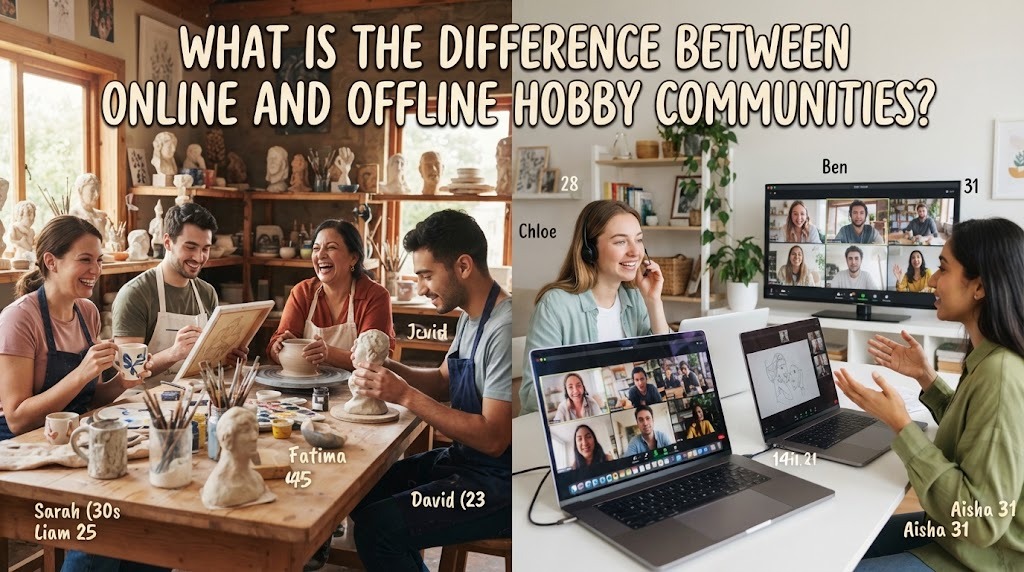
Hobby communities give people opportunities to connect with others who share similar interests. These communities can exist online through social media, forums, messaging groups, and other digital platforms. They can also operate offline through clubs, meetings, workshops, and regular gatherings. Although both types have the same basic goal of connecting people through shared interests, they offer different experiences and ways of building relationships.
WHAT ARE ONLINE HOBBY COMMUNITIES?
Online hobby communities are groups that interact mainly through digital platforms. Members can discuss their hobbies through social media groups, forums, chat applications, or specialized websites. They can share photos, videos, recommendations, experiences, and useful information without needing to meet in person. This makes online communities accessible to people who live in different cities or countries.
One major advantage of online communities is flexibility. Members can participate whenever they have free time and can often find communities that match very specific interests. However, online communication may sometimes feel less personal because members cannot always see facial expressions or body language. The quality of interaction also depends on how actively members communicate and maintain respectful discussions.
WHAT ARE OFFLINE HOBBY COMMUNITIES?
Offline hobby communities involve direct interaction between members in physical locations. Activities can include sports clubs, book clubs, photography groups, cooking classes, art workshops, or gaming gatherings. Members can communicate face to face while practicing or discussing their shared hobby. These direct interactions can make it easier to develop personal relationships and friendships.
Offline communities also provide opportunities to learn through practical activities. Members can demonstrate techniques, work on projects together, and receive immediate feedback. However, participation may require more time, transportation, and financial resources. The community may also be limited to people who live close enough to attend its activities regularly.
KEY DIFFERENCES BETWEEN ONLINE AND OFFLINE COMMUNITIES
The main difference is the way members interact. Online communities depend on digital communication, while offline communities rely on face to face interaction. Online groups can connect people across long distances, whereas offline groups usually focus on members within a particular location. Both can provide information, support, friendship, and opportunities to develop hobby related skills.
Another difference involves flexibility and social interaction. Online communities generally provide greater flexibility because members can participate from almost anywhere. Offline communities require members to attend specific places and times, but they can provide richer direct communication and shared physical experiences. The best choice depends on a person's interests, availability, location, and preferred communication style.
BENEFITS OF ONLINE HOBBY COMMUNITIES
Online hobby communities make it easier to discover people with very specific interests. A person interested in a specialized hobby may find members from different regions or countries who have similar experiences. Digital platforms also make it simple to share resources, tutorials, recommendations, and creative work. This can help members continue learning even when they cannot attend physical events.
Another benefit is accessibility. People who have busy schedules or limited access to local groups can still participate in discussions and activities online. Beginners may also feel more comfortable asking questions through digital platforms before participating more actively. However, members should communicate respectfully and protect their personal information when interacting with people they do not know.
BENEFITS OF OFFLINE HOBBY COMMUNITIES
Offline hobby communities offer direct social interaction that can help members develop stronger personal connections. Meeting regularly allows people to communicate through conversation, facial expressions, and body language. Group activities can also create shared experiences that are difficult to reproduce entirely through digital communication. These experiences can strengthen friendships and trust between members.
Physical communities can also support hands on learning. For example, people in a cooking group can practice recipes together, while members of a sports club can train directly with one another. Immediate feedback can make learning more interactive and practical. Regular meetings can also encourage members to remain active and committed to their hobbies.
WHICH TYPE OF HOBBY COMMUNITY SHOULD YOU JOIN?
There is no single type of hobby community that works for everyone. Online communities may be suitable for people who value flexibility, long distance connections, and convenient communication. Offline communities may be more suitable for people who prefer face to face interaction and practical group activities. Personal goals and available time can help determine which format is more comfortable.
People can also participate in both types of communities. For example, a photography enthusiast could join an online group to exchange editing tips and an offline club to attend photography walks. Using both formats can provide access to digital resources while maintaining direct social connections. Combining online and offline participation can therefore create a broader hobby experience.
CONCLUSION
Online and offline hobby communities both help people connect through shared interests, but they differ mainly in how members communicate and participate. Online communities provide flexibility, wider connections, and easy access to digital resources, while offline communities offer direct interaction, practical activities, and shared physical experiences. Choosing between them depends on personal preferences, location, schedule, and hobby goals. In many cases, combining online and offline communities can provide the advantages of both approaches.
Tentang Penulis
Gusti Ayu Tita P
Penulis — Universitas STEKOM
Penulis aktif yang berfokus pada isu-isu akademik, teknologi pendidikan, dan pengembangan sumber daya manusia di lingkungan kampus.