
What Is the Role of Senior Employees in Building a Stronger Team?
Gusti Ayu Tita P
26 September 2026
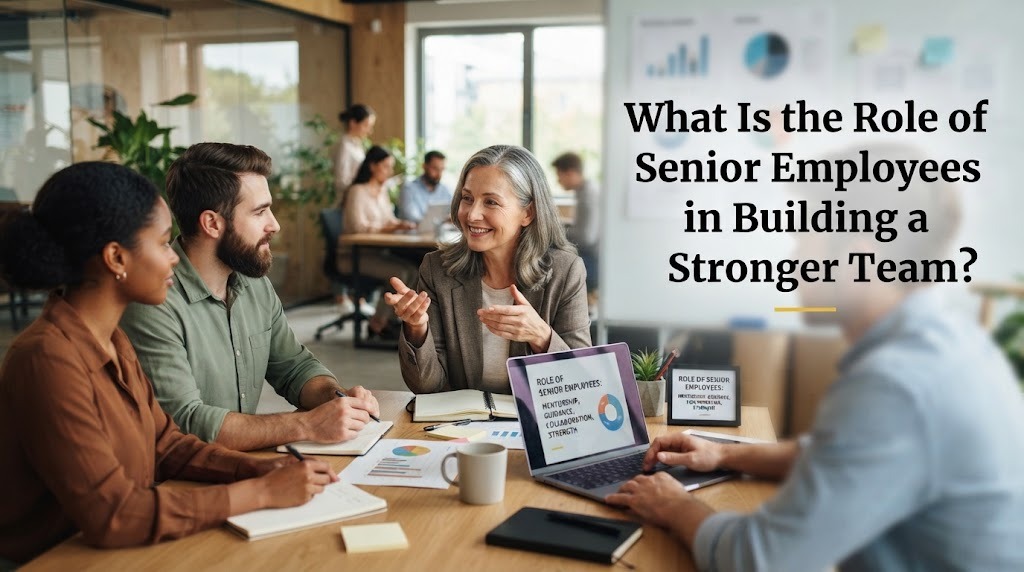
Senior employees play an important role in creating a strong and productive workplace team. Their years of professional experience, practical knowledge, and workplace understanding can provide valuable guidance to colleagues. They can also help teams handle challenges, improve communication, and maintain professional standards.
A strong team needs more than technical skills. It also requires trust, cooperation, communication, and shared responsibility. By using their experience while remaining open to new ideas, senior employees can support teamwork and help create an environment where employees can develop together.
SHARE PROFESSIONAL EXPERIENCE
One of the most valuable contributions senior employees can make is sharing their professional experience with other team members. They may have handled similar projects, workplace challenges, customer situations, or organizational changes in the past. Sharing these lessons can help colleagues understand possible solutions and avoid common mistakes.
Experience should be shared as guidance rather than as a strict set of rules. Senior employees can explain what worked previously while allowing team members to consider other approaches. This creates opportunities for knowledge sharing while encouraging employees to develop their own judgment and problem solving abilities.
SUPPORT AND MENTOR OTHER EMPLOYEES
Senior employees can strengthen a team by becoming mentors for colleagues who are still developing their professional skills. They can provide practical advice, explain workplace procedures, and help newer employees understand their responsibilities. Mentoring can also make employees feel more supported when they face unfamiliar tasks.
Effective mentoring involves listening as well as teaching. Senior employees can ask colleagues about their challenges and provide suggestions that match their specific situations. Through employee mentoring, experienced workers can help build confidence and encourage continuous professional development within the team.
IMPROVE TEAM COMMUNICATION
Good communication is essential for building a stronger team. Senior employees can contribute by encouraging clear, respectful, and open communication between team members. Their experience may help them recognize misunderstandings early and encourage employees to discuss problems before they become larger conflicts.
Senior employees can also set an example through the way they communicate. Listening carefully, explaining expectations clearly, and giving constructive feedback can create healthier workplace interactions. Strong team communication helps employees understand their responsibilities and work toward shared goals.
ENCOURAGE COLLABORATION BETWEEN GENERATIONS
Modern workplaces often include employees from several generations. Senior employees can help create stronger intergenerational teamwork by recognizing the different strengths that each generation brings. Their experience can complement the digital knowledge, fresh perspectives, and new approaches often contributed by younger colleagues.
Collaboration becomes more effective when senior employees are willing to learn as well as teach. They can invite younger colleagues to introduce new tools or ideas while sharing practical lessons from their own careers. This two-way exchange can create mutual learning and improve cooperation across the team.
HELP SOLVE WORKPLACE PROBLEMS
Senior employees can also contribute to team problem solving by using their experience to analyze difficult situations. They may recognize patterns or risks that less experienced employees have not encountered before. Their perspective can help teams consider practical options before making important decisions.
However, senior employees should avoid making every decision themselves. A stronger approach is to involve other team members in discussions and encourage them to contribute ideas. This allows the team to benefit from senior experience while also developing collective problem solving skills.
BUILD A POSITIVE TEAM CULTURE
Senior employees can influence workplace behavior through their daily actions. Showing professionalism, respect, accountability, and cooperation can encourage other employees to demonstrate similar behaviors. Their conduct can help establish standards for how team members communicate and work together.
They can also recognize the contributions of colleagues and encourage employees who are facing difficulties. Simple actions such as appreciating good work, offering assistance, and listening to concerns can strengthen relationships. Over time, these behaviors can contribute to a more positive workplace culture.
CONCLUSION
Senior employees can help build stronger teams by sharing experience, mentoring colleagues, improving communication, supporting problem solving, and encouraging collaboration. Their knowledge can provide stability while their willingness to learn from others can help teams adapt to new workplace demands.
A strong team is created when experience and fresh perspectives work together. By becoming supportive mentors, respectful communicators, and active team members, senior employees can contribute to team development, employee growth, and a collaborative workplace environment.
Tentang Penulis
Gusti Ayu Tita P
Penulis — Universitas STEKOM
Penulis aktif yang berfokus pada isu-isu akademik, teknologi pendidikan, dan pengembangan sumber daya manusia di lingkungan kampus.



