What Is The Role Of Technology In Supporting Land Tourism?
Gusti Ayu Tita P
17 September 2026
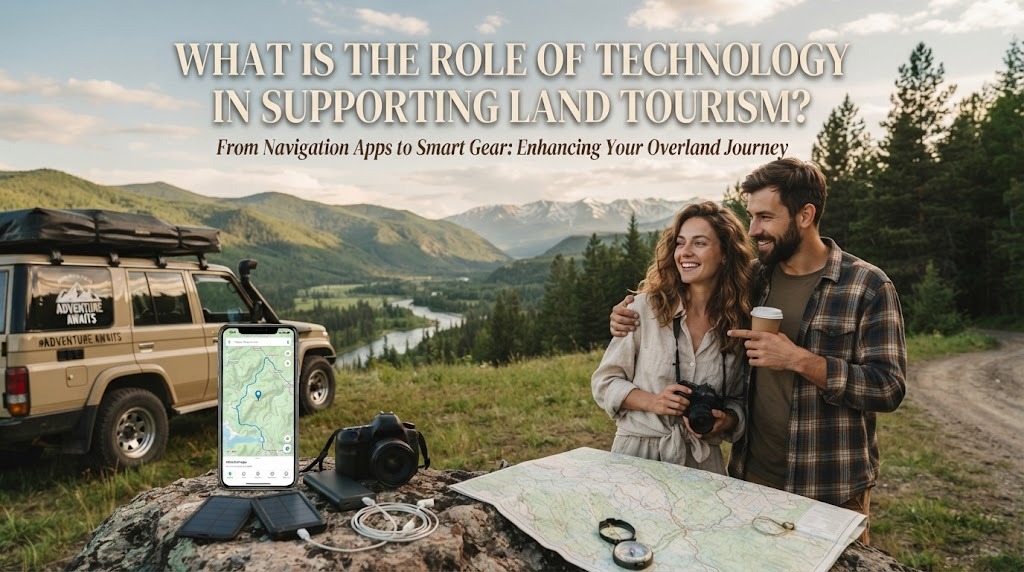
Technology has become an important part of modern travel, including land tourism. Travelers can now use digital tools to plan routes, find destinations, book transportation, and access information more easily. Technology can also help tourism businesses communicate with visitors and improve their services. These developments make traveling more convenient and efficient. But what is the role of technology in supporting land tourism?
MAKES TRAVEL PLANNING EASIER
Technology makes travel planning faster and more convenient. Travelers can search for destinations, check travel times, compare transportation options, and find useful information through websites and mobile applications. Digital maps can also help visitors understand routes before starting their journey. This allows travelers to prepare their schedules based on distance, budget, and available time.
Technology also makes it easier to adjust plans when conditions change. Travelers can check traffic information, road conditions, or changes in transportation schedules through digital services. Having updated information can help reduce confusion during a trip. As a result, travelers can make better decisions before and during their journey.
SUPPORTS DIGITAL NAVIGATION
Digital navigation is one of the most useful technologies for land tourism. GPS and navigation applications can provide directions and help travelers identify nearby roads, attractions, restaurants, hotels, and rest areas. This is especially useful for people visiting unfamiliar destinations. Travelers can choose different routes based on distance, traffic, or travel time.
Navigation technology can also reduce the possibility of getting lost. However, travelers should not depend entirely on digital navigation because internet connections or device batteries can fail. Saving important addresses and carrying alternative travel information can provide additional security. Using technology wisely can make land travel more organized and convenient.
IMPROVES ACCESS TO TOURISM INFORMATION
Technology gives travelers easier access to tourism information. People can read destination descriptions, check opening hours, view photos, and learn about available facilities before visiting a place. Online reviews can also provide different experiences from previous visitors. This information can help travelers understand what to expect at a destination.
Digital information is also useful for discovering lesser-known attractions. Travelers can explore destinations through websites, social media, virtual tours, and digital travel platforms. This can increase interest in local tourism areas and help visitors discover new experiences. However, travelers should check information from reliable sources because online content is not always accurate or up to date.
HELPS TOURISM BUSINESSES PROMOTE DESTINATIONS
Technology provides tourism businesses with more opportunities to promote destinations. Hotels, restaurants, transportation providers, and tourist attractions can use websites and social media to introduce their services. Digital photos, videos, and online advertisements can help potential visitors learn about a destination before traveling. This allows tourism businesses to reach people from different regions.
Small tourism businesses can also benefit from digital promotion. They can communicate directly with customers and provide information about prices, schedules, facilities, or special offers. A strong online presence can make a destination easier to discover. This can support tourism activities and increase visitor interest when managed properly.
MAKES BOOKINGS MORE CONVENIENT
Technology has simplified the process of making travel bookings. Travelers can book transportation, hotels, tickets, and certain tourism activities through online platforms. Digital booking systems allow people to check availability and compare options before making a decision. This can save time compared with arranging every service manually.
Digital payments can also make transactions more convenient in many destinations. However, travelers should protect their personal and financial information when using online services. They should choose trusted platforms and check booking details carefully before making payments. These simple steps can make digital travel arrangements safer and more reliable.
SUPPORTS TOURIST SAFETY
Technology can contribute to travel safety during land tourism. GPS services can help travelers share locations, while smartphones provide access to emergency contacts and important information. Some transportation systems also use digital tools to monitor routes, schedules, and vehicle conditions. These technologies can help travelers respond more effectively when unexpected situations occur.
Travelers can also store important documents and contact information digitally, although essential documents should still be kept safely in physical form when necessary. Emergency applications and location-sharing features may also be useful during group travel. Technology cannot prevent every travel problem, but it can provide useful support in many situations. Responsible use of these tools can make land tourism safer and more organized.
IMPROVES THE OVERALL TRAVEL EXPERIENCE
Technology can improve the overall travel experience by making different parts of a trip easier to manage. Travelers can use their phones to take photos, find attractions, translate basic information, check weather conditions, and communicate with others. These features can help visitors feel more prepared while exploring a new area. Technology can therefore support both convenience and enjoyment.
At the same time, travelers should maintain a healthy balance between digital tools and real experiences. Spending too much time on a device may reduce opportunities to interact with local communities or appreciate the surrounding environment. Technology works best as a supporting tool, not as the main focus of a trip. Using it appropriately allows travelers to enjoy modern convenience while still experiencing the destination directly.
CONCLUSION
Technology plays an important role in supporting land tourism in many ways. It helps travelers plan routes, access information, make bookings, navigate unfamiliar areas, and improve travel safety. Tourism businesses can also use digital platforms to promote destinations and communicate with potential visitors. Although technology offers many advantages, travelers should use reliable services and avoid depending on digital tools completely. When used wisely, technology can make land tourism more convenient, informed, safe, and enjoyable.
Tentang Penulis
Gusti Ayu Tita P
Penulis — Universitas STEKOM
Penulis aktif yang berfokus pada isu-isu akademik, teknologi pendidikan, dan pengembangan sumber daya manusia di lingkungan kampus.