What Leadership Skills Can Students Learn from Organizational Activities?
Gusti Ayu Tita P
28 September 2026
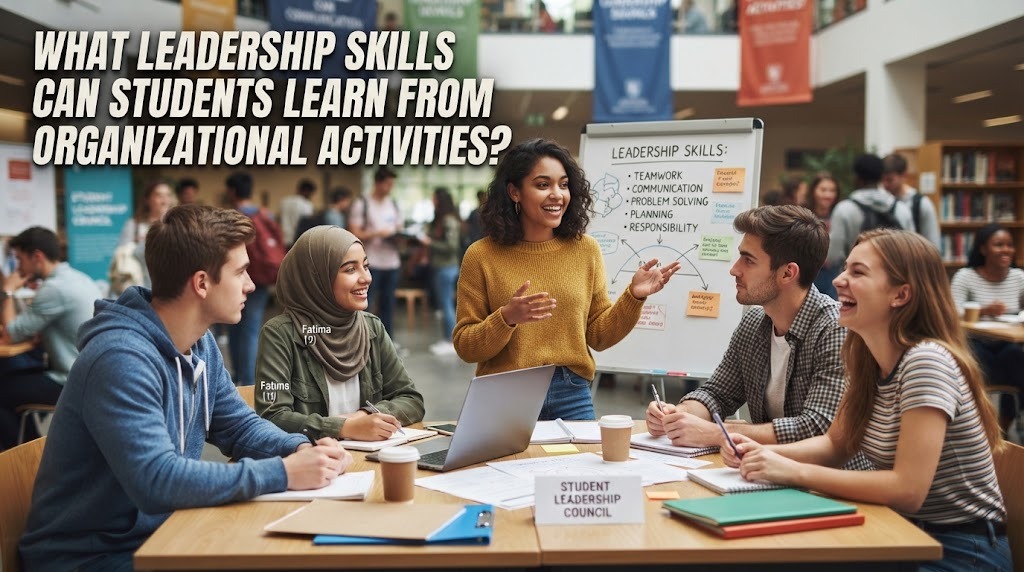
Organizational activities can provide students with practical opportunities to develop leadership skills. By working with other people, students can practice communication, teamwork, decision-making, and responsibility. They may also learn how to manage tasks and respond to challenges in a group environment. These experiences can complement knowledge gained through classroom learning. With active participation, organizations can become a useful place for students to practice leadership.
DEVELOPING EFFECTIVE COMMUNICATION
Communication is an essential part of leadership because students need to explain ideas clearly to other members. Organizational activities give students opportunities to participate in meetings, discussions, presentations, and group projects. Communication Skills can improve as students learn how to express opinions in an organized way. They also learn to listen to suggestions and respond to different viewpoints. Good communication can help teams avoid misunderstandings.
Students can gradually become more confident when communicating with people who have different personalities and experiences. They may learn how to adjust their communication style according to the situation. Active Listening is also important because leaders need to understand the concerns and ideas of team members. Listening carefully can help create better cooperation. These communication abilities can be useful in academic and professional environments.
STRENGTHENING TEAMWORK
Organizational activities usually involve tasks that require cooperation among several members. Students may be responsible for planning events, preparing materials, or completing group projects. Teamwork Skills develop when students learn how to divide responsibilities and support one another. They also learn that each member can contribute different strengths. Effective teamwork can help groups achieve shared objectives.
Students may encounter disagreements when working in teams. These situations can teach them how to communicate calmly and search for solutions that consider different perspectives. Collaborative Work encourages students to value the contributions of other members. Leaders need to create an environment where people can cooperate effectively. These experiences can prepare students for teamwork in future workplaces.
LEARNING DECISION-MAKING
Students often face decisions when participating in organizational activities. They may need to determine priorities, choose strategies, or respond to unexpected problems. Decision Making skills can develop when students evaluate available information before choosing an action. They can learn to consider the possible effects of different options. This process encourages more careful and responsible leadership.
Decision-making also involves accepting the consequences of a choice. Students can reflect on whether a decision produced the expected results and identify areas for improvement. Critical Thinking helps students compare alternatives and recognize potential risks. Learning from both successful and unsuccessful decisions can strengthen leadership development. These skills can later support students when handling academic or professional responsibilities.
BUILDING RESPONSIBILITY
Leadership requires students to take responsibility for tasks assigned to them. Organizational activities can teach students to complete assignments on time and communicate when they face difficulties. Personal Responsibility helps students become more dependable members of a team. They can learn that failing to complete one task may affect other members. This understanding can encourage greater commitment.
Students can also learn responsibility toward the entire organization. Leaders need to consider the interests of members and the goals of the group. Organizational Responsibility involves maintaining trust, respecting agreements, and supporting collective objectives. Students can develop these habits through regular participation. These experiences can help prepare them for responsibilities in future careers.
IMPROVING PROBLEM-SOLVING ABILITIES
Organizational activities rarely go exactly according to plan. Students may encounter limited resources, scheduling problems, communication difficulties, or unexpected changes. Problem Solving skills can develop when students identify the cause of a problem and consider practical solutions. Working with other members can provide additional perspectives. This process can make students more adaptable when facing challenges.
Problem-solving also requires students to remain calm and focused. Instead of blaming others, they can concentrate on identifying what can be improved. Adaptability Skills help students adjust their plans when circumstances change. These abilities are valuable in organizations, academic projects, and workplaces. Regular practice can strengthen students' confidence when handling difficult situations.
CONCLUSION
Organizational activities can help students develop important leadership abilities through practical experience. Communication Skills, Teamwork Skills, decision-making, responsibility, and problem-solving can grow through active participation. Students can also develop adaptability by responding to different situations and working with people who have different perspectives. These experiences can complement academic learning and prepare students for future responsibilities. By participating consistently and reflecting on their experiences, students can build a strong foundation for responsible leadership.
Tentang Penulis
Gusti Ayu Tita P
Penulis — Universitas STEKOM
Penulis aktif yang berfokus pada isu-isu akademik, teknologi pendidikan, dan pengembangan sumber daya manusia di lingkungan kampus.