What Mistakes Do Students Often Make When Living Away From Home?
Gusti Ayu Tita P
29 September 2026
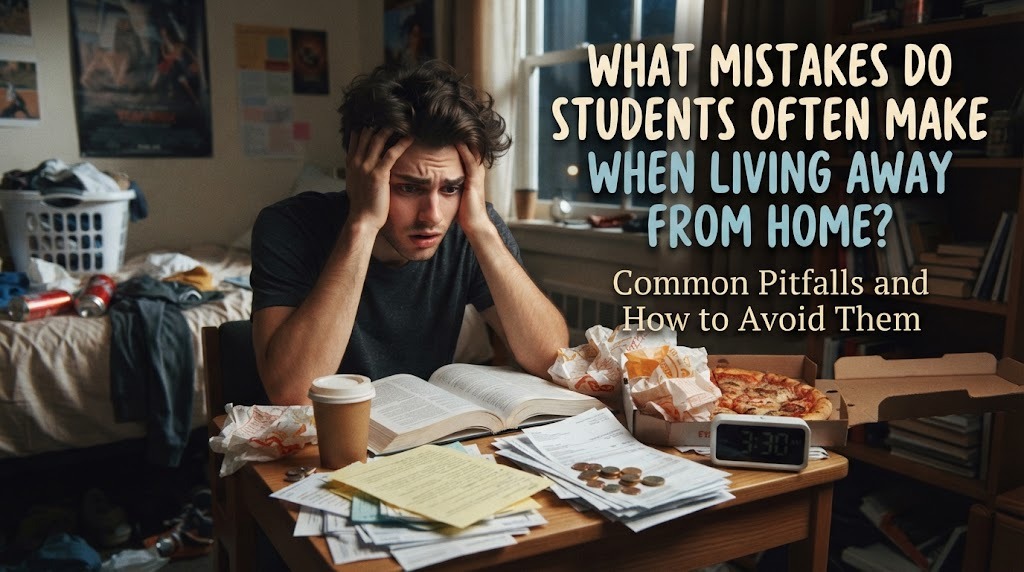
Living away from home gives students an opportunity to become more independent, but the transition can also be difficult. Without family members nearby, students have to manage many aspects of daily life on their own. Some students may make mistakes while learning how to handle money, time, responsibilities, studies, and social relationships. These mistakes are common during the adjustment process. Understanding them can help students avoid unnecessary problems and adapt more effectively.
SPENDING MONEY WITHOUT A PLAN
One common mistake is spending money without creating a clear budget. Students may use their money for food, entertainment, shopping, transportation, and other unnecessary purchases without considering their remaining balance. Small expenses can accumulate and become a significant part of monthly spending. This can leave students with insufficient money for important needs.
Students should understand their regular expenses before spending on optional activities. Creating a simple monthly budget can help them determine how much money is available. Tracking daily spending can also show which habits need to be changed. A basic financial plan can help students avoid unnecessary financial pressure.
IGNORING DAILY RESPONSIBILITIES
Some students are not prepared for the number of responsibilities that come with living independently. They may ignore cleaning, laundry, cooking, shopping, or organizing their belongings. These tasks may seem small, but ignoring them can create an uncomfortable living environment. Poor organization can also affect study time and daily routines.
Students should create simple habits for handling household tasks. They can set specific days for cleaning, laundry, grocery shopping, and other responsibilities. Completing small tasks regularly is usually easier than allowing them to accumulate. Taking care of daily responsibilities is an important part of independent living.
POOR TIME MANAGEMENT
Another common mistake is failing to organize time properly. Students may spend too much time on entertainment or social activities and leave assignments until the last minute. They also need to balance classes, studying, household tasks, rest, and personal activities. Without a clear schedule, students may feel overwhelmed.
Students can use calendars, planners, or simple phone reminders to organize their activities. Important academic deadlines should be identified early. They should also make enough time for sleep and relaxation. Good time management can help students remain productive without ignoring their personal needs.
AVOIDING COMMUNICATION WITH FAMILY
Some students believe that living independently means they should stop communicating with their families. They may avoid sharing their experiences or problems because they do not want to appear dependent. However, family support can still be valuable even when students live far away. Communication can provide encouragement during difficult periods.
Students do not need to report every detail of their lives. Regular calls or messages can be enough to maintain a healthy connection. They can also share important achievements, concerns, or changes in their situation. Staying connected with family does not prevent students from becoming independent.
ISOLATING THEMSELVES
Students may sometimes spend too much time alone after moving to a new place. They may feel shy, nervous, or uncomfortable when meeting unfamiliar people. However, social isolation can make homesickness and adjustment difficulties feel stronger. Building healthy relationships can make a new environment more comfortable.
Students can start by talking to classmates, roommates, or neighbors. Joining clubs, organizations, or study groups can provide opportunities to meet people naturally. They do not need to make many friends immediately. A small group of supportive people can provide meaningful companionship and encouragement.
NEGLECTING HEALTH
Busy academic schedules can cause students to ignore their physical health. Some may skip meals, sleep too little, or rarely exercise because they have many responsibilities. Poor habits can affect energy, concentration, mood, and academic performance. Students should therefore treat health as an important part of independent living.
Students can maintain simple healthy habits without following a complicated routine. Eating regular meals, getting enough sleep, staying active, and drinking enough water are useful starting points. They should also seek appropriate medical help when they are unwell. Taking care of health supports both academic activities and daily life.
IGNORING HOMESICKNESS
Homesickness is a normal experience for many students who live away from their families. Some students may try to ignore feelings of loneliness, sadness, or missing home instead of addressing them. Avoiding these feelings may make the adjustment process more difficult. Recognizing homesickness can help students find healthy ways to manage it.
Students can stay connected with family while also building a new life in their current environment. They can maintain familiar hobbies, explore new places, and spend time with supportive friends. If emotional difficulties become serious or interfere with daily activities, students can seek appropriate support. Acknowledging emotions is an important part of adapting to life away from home.
MAKING DECISIONS TOO QUICKLY
Living independently means students often have to make their own decisions. Sometimes they may make quick decisions without considering the consequences. This can happen with money, accommodation, relationships, academic choices, or other important matters. Acting too quickly can create problems that could have been avoided with more careful thinking.
Students can develop the habit of considering their options before making important decisions. They can compare information, think about possible consequences, and ask trusted people for advice when necessary. This does not mean every decision needs to take a long time. Thoughtful decision making can reduce avoidable mistakes and build maturity.
EXPECTING EVERYTHING TO BE EASY
Some students may expect life away from home to be exciting and easy from the beginning. When they experience homesickness, financial pressure, academic stress, or daily difficulties, they may feel disappointed. Adjustment usually takes time and requires patience. Difficult experiences do not necessarily mean that living away from home is unsuccessful.
Students should give themselves time to learn new skills and understand their environment. Making mistakes can be part of the learning process. They can focus on gradual improvement rather than expecting immediate perfection. Realistic expectations can help students handle challenges more calmly.
CONCLUSION
Students living away from home may make mistakes involving money, time management, health, household responsibilities, communication, and social life. These mistakes are often part of learning how to become independent. Students can reduce problems by planning their finances, maintaining healthy routines, staying connected with family, and asking for help when needed. They should also give themselves enough time to adapt to their new environment. Learning from mistakes can help students become more responsible, confident, and prepared for the future.
Tentang Penulis
Gusti Ayu Tita P
Penulis — Universitas STEKOM
Penulis aktif yang berfokus pada isu-isu akademik, teknologi pendidikan, dan pengembangan sumber daya manusia di lingkungan kampus.