
What Natural Beauty Can You Discover During Marine Tourism?
Gusti Ayu Tita P
23 September 2026
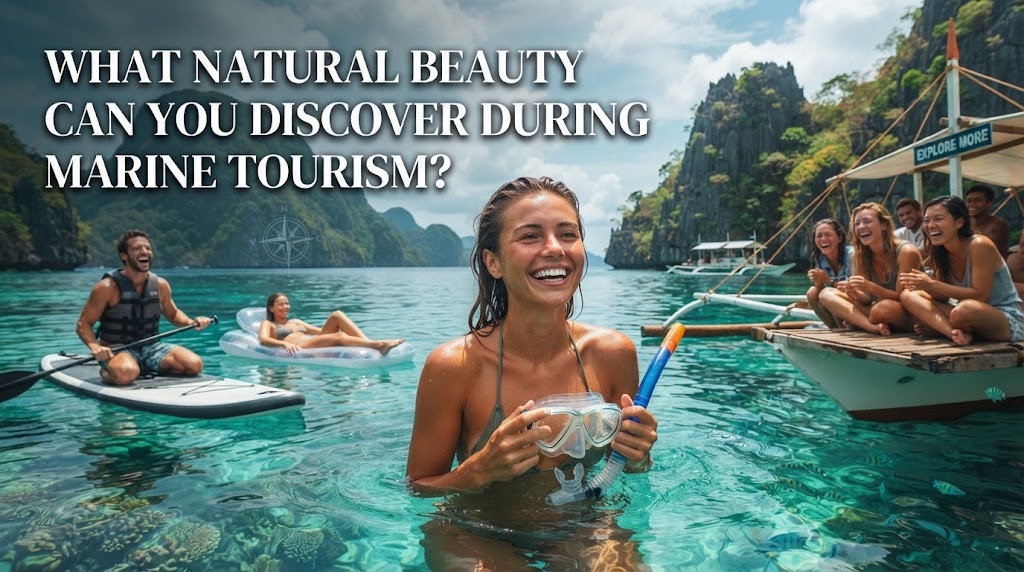
Marine tourism offers travelers an opportunity to discover many forms of natural beauty that cannot always be found in cities or inland areas. From colorful coral reefs to peaceful beaches and unique coastal landscapes, the ocean provides diverse experiences for visitors. Travelers can enjoy these environments through activities such as snorkeling, diving, boat trips, and coastal exploration. Each destination has its own characteristics, making every marine tourism experience different and memorable.
BEAUTIFUL BEACHES AND COASTLINES
Beaches are among the most popular attractions in marine tourism. Visitors can discover soft sand, clear water, coastal vegetation, and beautiful shorelines in many destinations. Some beaches have wide open areas, while others are surrounded by cliffs, rocks, or small islands. These natural features create attractive landscapes for relaxation and photography.
Coastlines can also provide peaceful places to enjoy the natural environment. Travelers can walk along the shore, watch the waves, or enjoy the view during sunrise and sunset. However, visitors should avoid leaving waste behind and follow local regulations. Protecting the coastline helps preserve its natural beauty for future visitors.
COLORFUL CORAL REEFS
Coral reefs are one of the most fascinating natural attractions found in marine environments. Healthy reefs can contain corals, colorful fish, sea plants, and many other marine organisms. Snorkeling and diving allow visitors to observe these underwater ecosystems from a closer but respectful distance. The appearance of a reef can vary depending on the location, depth, water conditions, and species living there.
Coral reefs are also important habitats for marine life. Travelers should never stand on, touch, or break coral because these organisms can be easily damaged. Following local guidelines and maintaining proper distance can help reduce the impact of tourism. Responsible visitors can enjoy the underwater scenery while supporting coral reef conservation.
DIVERSE MARINE LIFE
The ocean is home to an enormous variety of living organisms. Depending on the destination, travelers may see sea turtles, dolphins, colorful fish, rays, seabirds, and other marine animals. Seeing these animals in their natural habitats can provide a unique travel experience. However, wildlife sightings are never guaranteed because animals move freely through their environments.
Visitors should observe marine animals without chasing, touching, or feeding them. Keeping an appropriate distance allows animals to continue their natural behavior. Travelers should also follow instructions from guides and local conservation authorities. Respectful wildlife observation can make marine tourism more educational and environmentally responsible.
MANGROVE FORESTS
Mangrove forests are important coastal ecosystems that can be explored in some marine tourism destinations. Their dense roots provide habitat for fish, crabs, birds, and other organisms. Mangroves can also help stabilize coastlines and reduce the effects of coastal erosion. Exploring these areas by boat or along designated paths can provide a different experience from visiting a traditional beach.
Mangrove areas often have calm waterways surrounded by distinctive vegetation. Travelers can observe wildlife and learn about the role of mangroves in coastal ecosystems. Visitors should stay on designated routes and avoid damaging roots or plants. Protecting mangrove forests is essential for maintaining healthy coastal environments.
UNIQUE ROCK FORMATIONS AND CLIFFS
Some marine destinations feature impressive rock formations and coastal cliffs created through natural geological processes. Rocks, caves, arches, and cliffs can form distinctive landscapes along the shoreline. These formations may become popular attractions for sightseeing and photography. Boat tours can sometimes provide views of areas that are difficult to reach on foot.
Although these locations can be visually impressive, travelers should prioritize safety. Avoid approaching unstable cliffs or entering restricted caves and areas. Strong waves and changing tides can also create dangerous conditions around rocky coastlines. Following local safety instructions allows visitors to appreciate these unique coastal landscapes responsibly.
CLEAR WATER AND UNDERWATER SCENERY
Clear seawater can reveal the natural environment beneath the surface. Depending on local conditions, travelers may see coral reefs, underwater rocks, fish, seagrass, and sandy seabeds while snorkeling or diving. Water clarity can vary because of weather, currents, tides, and other environmental factors. Therefore, clear water should not be expected at every destination or on every day.
Good visibility can make underwater activities more enjoyable and provide better opportunities for observing marine life. Travelers should still avoid touching the seabed or disturbing animals. Using appropriate equipment and following local guidance can help protect both visitors and marine habitats. Respecting underwater environments helps preserve their natural condition.
BEAUTIFUL SUNRISES AND SUNSETS
Sunrises and sunsets are simple but memorable parts of marine tourism. The open horizon can provide wide views of the changing colors of the sky and sea. Travelers can enjoy these moments from beaches, coastal viewpoints, or suitable boats. Weather and cloud conditions can influence how the scene appears each day.
Watching the sunrise or sunset does not require complicated equipment or expensive activities. Travelers can simply sit quietly, take photographs, or enjoy the surrounding atmosphere. They should remain in safe areas and follow local access rules, especially near cliffs or rocky shores. These peaceful moments can add a special experience to a marine holiday.
CONCLUSION
Marine tourism allows travelers to discover many forms of natural beauty, including beaches, coral reefs, marine animals, mangroves, rock formations, clear waters, and beautiful sunsets. Each environment provides different opportunities for exploration, relaxation, and learning. Visitors should enjoy these attractions responsibly by respecting wildlife, following local regulations, and avoiding environmental damage. Protecting natural areas ensures that their beauty can continue to be enjoyed by future generations.
Tentang Penulis
Gusti Ayu Tita P
Penulis — Universitas STEKOM
Penulis aktif yang berfokus pada isu-isu akademik, teknologi pendidikan, dan pengembangan sumber daya manusia di lingkungan kampus.



