
What Professional Ethics Should Every Bank Indonesia Employee Have?
Gusti Ayu Tita P
26 September 2026
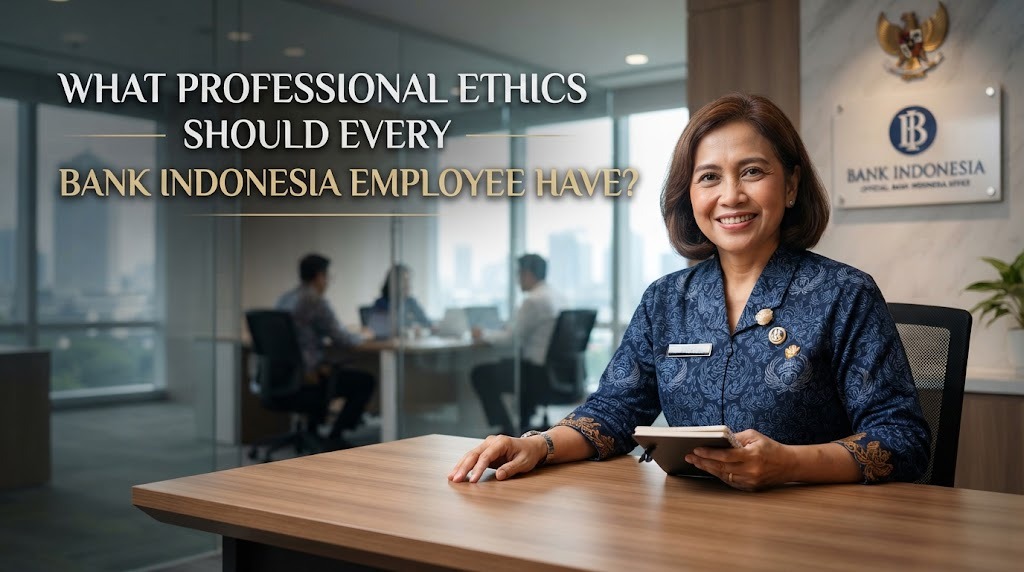
Professional ethics are an important part of working in an institution that has major responsibilities for the national economy. Bank Indonesia employees handle professional duties that require integrity, responsibility, discipline, and confidentiality. Ethical behavior helps employees carry out their responsibilities properly and maintain public trust. Understanding professional ethics is therefore important for every employee, especially when dealing with sensitive information and important institutional decisions.
INTEGRITY IN EVERY PROFESSIONAL DUTY
Integrity means acting honestly and consistently according to professional principles, even when facing difficult situations. Bank Indonesia employees may deal with important information and responsibilities that require a high level of trust. They should avoid actions that could create conflicts of interest or provide unfair personal benefits. Honest behavior also helps maintain confidence in the institution.
Integrity should be demonstrated not only in major decisions but also in everyday work. Employees should provide accurate information, complete tasks responsibly, and avoid manipulating data or reports. Ethical Behavior can create a professional working environment where employees respect rules and their responsibilities. Strong integrity also supports the credibility of the institution.
PROFESSIONAL RESPONSIBILITY AND DISCIPLINE
Every employee needs to understand the responsibilities connected to their position. Professional Responsibility includes completing assignments carefully, following applicable procedures, and being accountable for work results. Employees should also manage their time effectively and maintain the quality of their work. Discipline helps ensure that organizational activities can operate consistently.
Professional discipline also involves respecting workplace regulations and established standards. Employees should not ignore procedures simply because a task appears simple or urgent. Work Discipline can reduce mistakes and help employees maintain consistent performance. Following professional standards is an important part of demonstrating responsibility.
CONFIDENTIALITY AND INFORMATION SECURITY
Employees in financial and economic institutions may have access to information that should not be shared carelessly. Information Security is therefore an important ethical responsibility. Employees should protect confidential data and use institutional information only for legitimate professional purposes. Sharing sensitive information without proper authorization can create serious risks.
The use of digital technology makes information protection even more important. Employees should understand secure communication practices, protect access credentials, and follow institutional security procedures. Data Confidentiality helps prevent unauthorized access and inappropriate use of important information. Careful handling of information is part of maintaining professional trust.
AVOIDING CONFLICTS OF INTEREST
A conflict of interest can occur when personal interests interfere with professional responsibilities. Employees should recognize situations that may affect their objectivity and follow applicable institutional procedures for handling them. Conflict Management can help employees maintain fair and responsible decision-making. Personal relationships or financial interests should not improperly influence professional duties.
Employees should also be transparent when circumstances could create potential conflicts. Reporting relevant situations through the appropriate channels can help protect both the employee and the institution. Professional Integrity requires employees to prioritize their legitimate responsibilities rather than personal advantages. Clear ethical standards can reduce the risk of inappropriate decisions.
RESPECT, FAIRNESS, AND ACCOUNTABILITY
Professional ethics also involve treating colleagues and other stakeholders with respect. Employees should communicate politely, avoid discrimination or harassment, and appreciate different perspectives in the workplace. Fair Treatment contributes to a healthy professional environment where people can work together effectively. Respectful communication is especially important when employees collaborate across different teams and areas of expertise.
Accountability is equally important because employees should be prepared to explain and take responsibility for their professional actions. Workplace Ethics encourage employees to follow rules while considering the consequences of their decisions. Ethical conduct should become part of everyday professional behavior rather than simply a formal requirement. Through accountability, fairness, and respect, employees can help strengthen a culture of professionalism.
CONCLUSION
Professional ethics provide an important foundation for Bank Indonesia employees when carrying out their responsibilities. Integrity, responsibility, confidentiality, fairness, and accountability help employees maintain professional standards and public trust. Employees also need to protect sensitive information and avoid conflicts of interest in their daily work. Strong ethical behavior can support a healthy workplace and responsible institutional performance. By applying professional ethics consistently, every employee can contribute to maintaining trust and professionalism within the institution.
Tentang Penulis
Gusti Ayu Tita P
Penulis — Universitas STEKOM
Penulis aktif yang berfokus pada isu-isu akademik, teknologi pendidikan, dan pengembangan sumber daya manusia di lingkungan kampus.



