What Rights Should Seasonal Workers Know About?
Gusti Ayu Tita P
25 September 2026
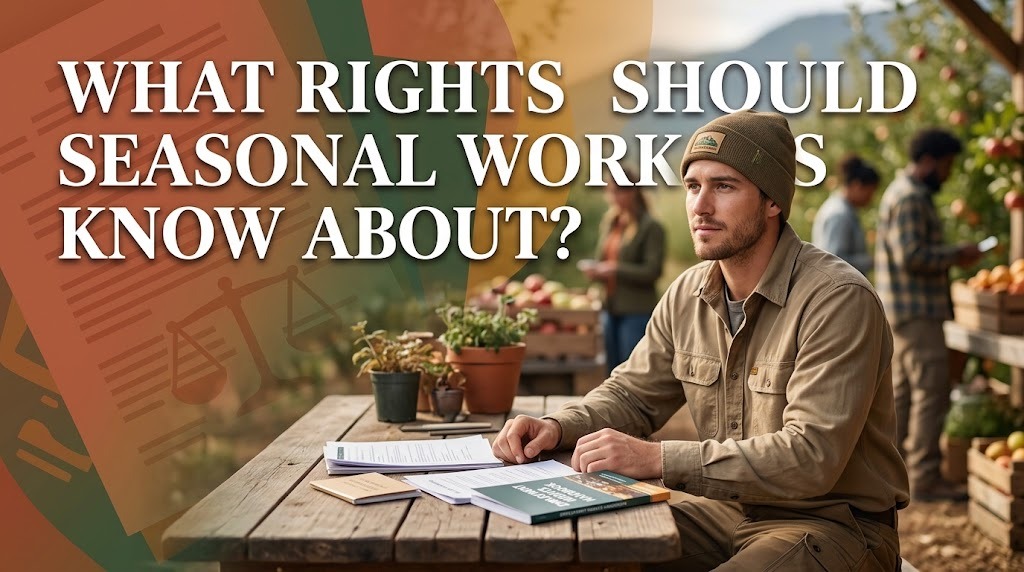
Seasonal workers should understand their employment rights before starting a temporary job. Although seasonal employment is usually limited to a specific period, workers still need clear information about their working conditions and responsibilities. The exact rights can vary depending on the country, industry, employment arrangement, and applicable regulations. Knowing the basic principles can help seasonal workers understand what they should expect from an employer.
Workers should not assume that temporary employment means they have no workplace protections. Important matters can include wages, working hours, rest periods, workplace safety, and the terms of the employment agreement. Before accepting seasonal work, workers should carefully review the information provided by the employer. When necessary, they can check the applicable labor regulations or contact an appropriate employment authority.
RIGHT TO CLEAR EMPLOYMENT INFORMATION
One important right is receiving clear information about the job before starting employment. Seasonal workers should understand their position, main responsibilities, working location, expected schedule, and employment period. Employers should provide information that allows workers to understand what the job involves. Clear information can reduce confusion and help both sides establish realistic expectations.
Workers should also pay attention to the information contained in their employment contract or other written agreement. The document may explain wages, working hours, duties, and other conditions. If the information is unclear, workers can ask the employer for an explanation before accepting the position. Keeping a copy of important employment documents can also be useful.
RIGHT TO UNDERSTAND WAGES AND PAYMENT
Wages and payment conditions are important parts of seasonal employment. Workers should know how much they will be paid and when they can expect payment. Depending on the applicable rules, there may also be requirements concerning minimum wages, overtime, or other payments. The exact rules depend on the worker's location and employment arrangement.
Seasonal workers should compare payment information in the employment agreement with what was explained during recruitment. If there is a significant difference, they should ask the employer for clarification. Workers should keep records of relevant agreements and payment information. Understanding payment rights can help workers manage their income and identify questions that need to be addressed.
RIGHT TO A SAFE WORKPLACE
A safe workplace is an important concern for every worker, including people in seasonal employment. Employers may have responsibilities related to workplace safety, training, protective equipment, and safe working procedures depending on the nature of the job and applicable regulations. Seasonal workers should receive appropriate information about risks associated with their duties. They should also follow established safety procedures while working.
Some seasonal jobs involve physical activities, machinery, transportation, outdoor conditions, or large numbers of customers. Workers should understand the safety procedures relevant to their position before performing potentially risky tasks. If they do not understand a safety instruction, they should ask a supervisor for guidance. Workplace safety is an important part of responsible seasonal employment.
RIGHT TO FAIR AND RESPECTFUL TREATMENT
Seasonal workers should expect fair and respectful treatment in the workplace. Employers and coworkers should maintain professional communication and follow applicable rules concerning discrimination, harassment, and workplace conduct. The specific legal protections vary by jurisdiction, so workers should learn the rules that apply to their employment. A temporary contract does not mean workers should ignore inappropriate workplace behavior.
Workers can also contribute to a respectful environment by communicating professionally with supervisors, coworkers, and customers. If a serious workplace concern occurs, they should document relevant information when appropriate and use the employer's established reporting process. They may also seek guidance from a relevant labor or employment authority when necessary. Knowing available workplace protections can help workers respond to concerns appropriately.
RIGHT TO KNOW THE CONTRACT TERMS
Before beginning seasonal work, workers should understand the terms of their employment agreement. Important information can include the start and end dates, working hours, wages, responsibilities, and conditions for ending the employment. Workers should not hesitate to ask questions about terms they do not understand. Clear communication can prevent disagreements later.
Workers should also know that employment rules differ between jurisdictions. Some rights may be established by law, while others may depend on the employment contract or workplace policies. For this reason, seasonal workers should consult official labor information in their area when they need specific legal guidance. Understanding the applicable rules allows workers to make better-informed decisions about their employment.
CONCLUSION
Understanding employment rights can help seasonal workers approach temporary jobs with greater awareness. Important areas include clear job information, payment conditions, workplace safety, respectful treatment, and understandable contract terms. The exact legal protections depend on the worker's location and employment arrangement, so official labor guidance should be used for specific questions. By understanding their rights and responsibilities, seasonal workers can prepare for employment more confidently and responsibly.
Tentang Penulis
Gusti Ayu Tita P
Penulis — Universitas STEKOM
Penulis aktif yang berfokus pada isu-isu akademik, teknologi pendidikan, dan pengembangan sumber daya manusia di lingkungan kampus.