What Should Students Prepare Before Joining a Demonstration?
Gusti Ayu Tita P
28 September 2026
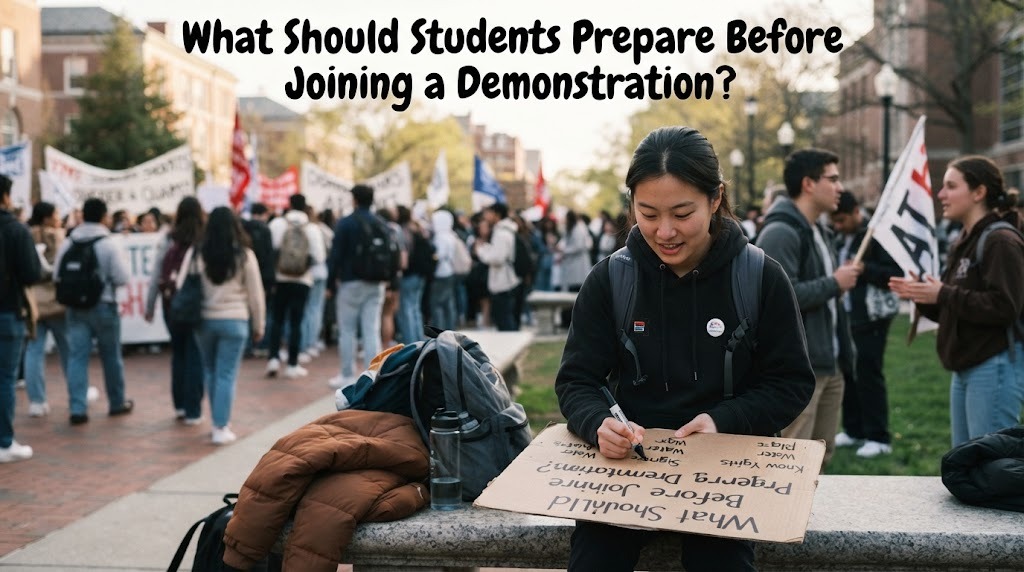
Students should make careful preparations before joining a demonstration to understand the issue and participate responsibly. Preparation can help them communicate their aspirations clearly while paying attention to safety and public order. Students should gather reliable information instead of relying on unverified claims. They also need to understand the purpose of the activity and the rules that may apply. Good preparation can make participation more organized and thoughtful.
LEARNING ABOUT THE MAIN ISSUE
Students should first understand the issue that will be discussed during the demonstration. They can read information from Reliable Sources and compare different perspectives before forming an opinion. This preparation helps students understand the background and possible consequences of the issue. They can also identify the main points they want to communicate. A good understanding of the issue can prevent confusion during the activity.
Students should distinguish between facts and personal opinions when preparing their arguments. They can discuss the topic with classmates or organizational members to gain additional perspectives. Critical Thinking helps students evaluate information before accepting or sharing it. This process can also help them develop reasonable arguments. Students can then communicate their aspirations based on information rather than assumptions.
PREPARING PERSONAL ESSENTIALS
Students should prepare basic items that may be needed during the activity. These can include a charged mobile phone, identification, drinking water, and other necessary personal supplies. Personal Preparation can help students manage basic needs during the demonstration. Students should keep their belongings secure and avoid carrying unnecessary items. Preparation should also consider the expected duration and conditions of the activity.
Appropriate clothing and comfortable footwear can support physical readiness. Students can consider the weather and prepare suitable protection if necessary. They should also ensure that their mobile phone has enough battery for communication. Safety Equipment should be appropriate to the situation and used responsibly. These simple preparations can help students remain more comfortable and prepared.
PREPARING A CLEAR MESSAGE
Students should identify the main aspiration they want to communicate before joining the activity. They can write down several key points and organize them in a simple order. Clear Communication helps make an argument easier for others to understand. Students should use respectful language and avoid personal attacks. Preparing a message in advance can also help reduce confusion when speaking publicly.
Students should not assume that everyone will agree with their views. They can prepare to listen to different opinions and respond calmly. Respectful Dialogue allows students to communicate disagreements without unnecessary conflict. Good communication requires both speaking and listening. This skill can also be useful in academic discussions and organizational activities.
UNDERSTANDING RULES AND RESPONSIBILITIES
Before participating, students should learn about the rules that apply to the activity and location. These may include campus policies, public regulations, or instructions intended to maintain safety and order. Rule Awareness helps students understand what responsible participation requires. Students should follow applicable rules and lawful safety instructions. They should also respect people who are not participating in the demonstration.
Students have responsibilities toward themselves and others during public activities. They should avoid violence, vandalism, threats, and actions that could put people at risk. If the situation becomes unsafe, students should prioritize their safety and seek an appropriate way to leave the area. Responsible Participation helps maintain a peaceful environment. Understanding responsibilities can make the activity more orderly.
PREPARING FOR DIFFERENT SITUATIONS
Students should consider that conditions during a demonstration can change. They should establish communication with trusted friends and decide where to meet if they become separated. Group Coordination can help participants remain connected and respond to unexpected circumstances. Students should also know how to seek help when necessary. Having a basic plan can reduce confusion during the activity.
Students should remain aware of their surroundings throughout the demonstration. If there are signs of danger or significant disorder, they should avoid approaching risky areas. Safety Awareness should remain a priority regardless of the purpose of the activity. Students can leave the area if they believe the situation is no longer safe. Responsible decisions can protect both themselves and others.
CONCLUSION
Before joining a demonstration, students should prepare by understanding the issue, gathering reliable information, preparing essential items, organizing their message, and learning applicable rules. Critical Thinking and Clear Communication can help students express their aspirations responsibly. They should also prepare for changing conditions and maintain communication with trusted people. Safety, respect, and responsible behavior should remain priorities throughout the activity. With proper preparation, students can participate more thoughtfully and communicate their concerns in a constructive manner.
Tentang Penulis
Gusti Ayu Tita P
Penulis — Universitas STEKOM
Penulis aktif yang berfokus pada isu-isu akademik, teknologi pendidikan, dan pengembangan sumber daya manusia di lingkungan kampus.