What Skills Can Help You Get a Job Without Relying on Inside Connections?
Gusti Ayu Tita P
26 September 2026
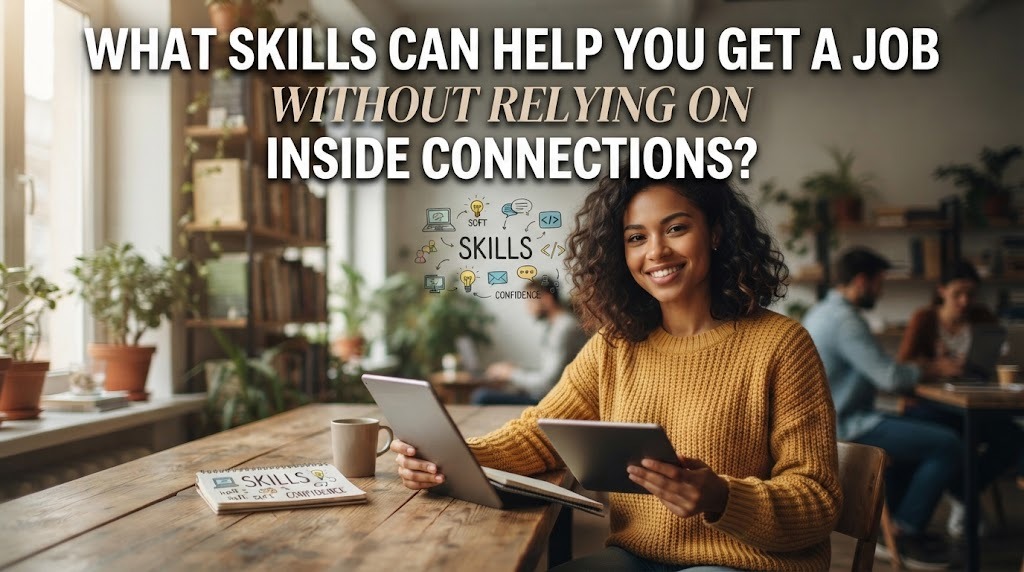
Getting a job without inside connections is possible when you can demonstrate skills that match employer needs. Companies often consider a candidate's qualifications, experience, communication, and ability to perform specific tasks. Strong and relevant skills can help candidates compete based on their own capabilities rather than personal relationships. Developing these skills also prepares job seekers for interviews and workplace responsibilities. By focusing on continuous improvement, candidates can create more opportunities for themselves.
TECHNICAL SKILLS FOR THE TARGET POSITION
Technical skills are important because they show that a candidate understands the practical requirements of a particular job. The skills needed will depend on the industry and position, such as digital tools, data analysis, design, programming, accounting, or content creation. Job seekers should review vacancy requirements to identify the technical abilities employers are looking for. Relevant technical skills can strengthen a job application and demonstrate readiness for workplace tasks.
Practical experience can make these skills more convincing. Candidates can develop projects, complete online courses, join internships, or practice through personal activities. A portfolio can also provide evidence of the work they have completed. Instead of simply claiming to have a skill, candidates can show examples of how they have applied it. This makes their qualifications easier for recruiters to understand.
COMMUNICATION AND INTERPERSONAL SKILLS
Communication skills are useful in almost every workplace. Employees need to communicate with coworkers, supervisors, customers, and other professional contacts. Clear communication helps prevent misunderstandings and supports effective teamwork. Candidates can demonstrate communication skills through their resumes, interviews, presentations, projects, and previous experiences.
Interpersonal skills are also important when working with different personalities and responsibilities. Listening, cooperation, adaptability, and respect can contribute to a positive working environment. These skills can be developed through group projects, organizations, internships, and other collaborative activities. Candidates should prepare examples that show how they have handled communication or teamwork situations. Practical examples can make these skills more credible during recruitment.
PROBLEM SOLVING AND ADAPTABILITY
Employers may encounter changing priorities, unexpected problems, and new workplace technologies. Therefore, candidates who can analyze situations and find reasonable solutions can bring useful abilities to an organization. Problem solving involves understanding an issue, considering possible solutions, and taking appropriate action. This skill can be developed through academic assignments, work projects, competitions, or everyday challenges.
Adaptability is also valuable because workplace requirements can change over time. Employees may need to learn new software, adjust to different procedures, or work with new teams. Candidates can demonstrate adaptability by explaining situations where they learned something unfamiliar or adjusted to changing conditions. Being willing to learn can complement existing technical knowledge. Together, problem solving and adaptability can support long-term professional development.
TIME MANAGEMENT AND RESPONSIBILITY
Time management helps employees organize tasks and complete responsibilities within expected deadlines. Candidates who can prioritize work may find it easier to handle multiple assignments. Meeting deadlines demonstrates reliability and responsibility, which are important qualities in many professional environments. These habits can be developed through school projects, internships, part-time work, organizational activities, and personal projects.
Responsibility also involves being accountable for the quality of your work. If a mistake occurs, a professional response is to acknowledge it, identify the cause, and work toward a solution. Candidates can discuss examples of responsibility during interviews without exaggerating their experiences. Consistent behavior can gradually strengthen professional credibility. These qualities can help employers see that a candidate is prepared to handle workplace expectations.
LEARNING AND SELF-DEVELOPMENT
The ability to continue learning is an important skill for people who want to build a career independently. Industries can change because of new technology, customer needs, and workplace practices. Continuous learning helps job seekers keep their skills relevant and discover new areas of professional development. Learning can come from courses, books, workshops, practical projects, mentors, or reliable online resources.
Self-development also involves evaluating your strengths and identifying areas that need improvement. Set realistic learning goals and practice skills consistently rather than trying to master everything at once. Keep records of projects, certificates, and achievements that can later support your job applications. Over time, these efforts can create a stronger professional profile. A commitment to learning can help candidates compete based on their abilities and potential.
CONCLUSION
Several skills can help people find employment without relying on inside connections. Technical skills, communication, problem solving, adaptability, time management, responsibility, and continuous learning can strengthen a candidate's professional profile. Practical experience and clear evidence of these abilities can make applications more convincing. Job seekers should focus on developing skills that match their target positions and improving them consistently. With preparation and professional development, candidates can pursue career opportunities based on their own qualifications.
Tentang Penulis
Gusti Ayu Tita P
Penulis — Universitas STEKOM
Penulis aktif yang berfokus pada isu-isu akademik, teknologi pendidikan, dan pengembangan sumber daya manusia di lingkungan kampus.