What Skills Can Students Develop Through Activities to Express Their Aspirations?
Gusti Ayu Tita P
28 September 2026
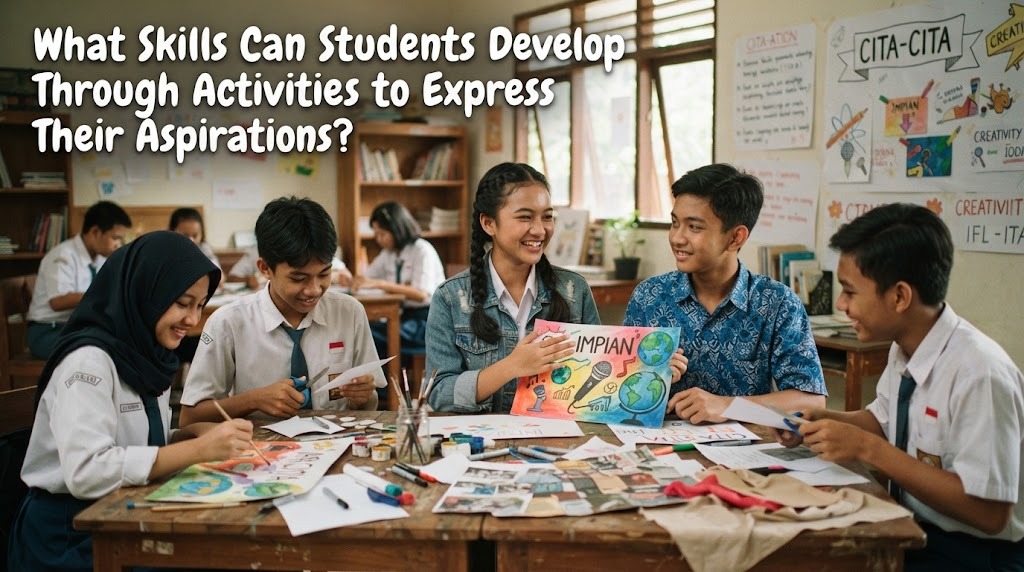
Activities that allow students to express their aspirations can provide valuable opportunities to develop practical skills. Through discussions, organizational activities, public communication, and peaceful demonstrations, students can learn how to communicate their ideas clearly. They may also develop teamwork, critical thinking, and responsibility while working with others. These experiences can complement knowledge gained through formal education. When participation is responsible, students can gain skills that are useful for both academic and future professional life.
DEVELOPING COMMUNICATION SKILLS
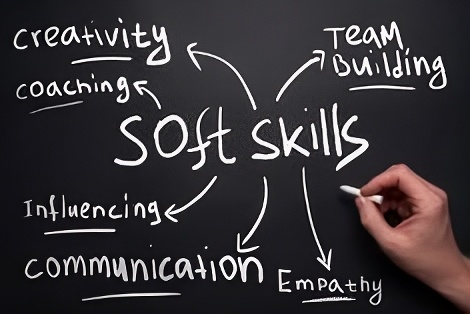
Expressing aspirations requires students to communicate their ideas in a clear and organized way. Students may practice speaking during discussions, presenting arguments, or preparing written messages. Communication Skills can improve when students learn to choose appropriate words and explain their ideas logically. They also need to listen carefully to responses from other people. Regular communication practice can gradually increase confidence.
Students may encounter different opinions when expressing their aspirations. Learning to respond respectfully can improve their ability to communicate during disagreements. Public Speaking can also develop when students practice presenting ideas in front of groups. Students can prepare their main points before speaking to make their messages more focused. These abilities can be useful in presentations, interviews, organizations, and workplaces.
STRENGTHENING CRITICAL THINKING
Students need to understand an issue before expressing their aspirations. They can research information, compare different perspectives, and evaluate supporting evidence. Critical Thinking helps students avoid accepting information without checking its accuracy. This process allows them to build arguments based on relevant information. It can also help students recognize the difference between facts and opinions.
Critical thinking becomes especially useful when students encounter conflicting information. They can ask questions and consider possible consequences before reaching a conclusion. Issue Analysis helps students identify the main problem and understand its different aspects. This skill can support better decision-making in academic and everyday situations. It is also valuable when students face complex problems in future careers.
BUILDING TEAMWORK SKILLS
Many activities for expressing aspirations involve cooperation between several students. Participants may need to discuss ideas, divide responsibilities, and coordinate activities. Teamwork Skills can develop when students learn how to contribute to a shared objective. They can also understand the importance of respecting different abilities and perspectives. Working together can strengthen trust among team members.
Disagreements may occur when students have different priorities or approaches. Students can learn to solve these differences through discussion rather than unnecessary conflict. Collaborative Work encourages participants to consider ideas from other members. This experience can teach students how to find common ground while maintaining their own views. Teamwork skills are also valuable in academic projects and professional environments.
IMPROVING PROBLEM-SOLVING ABILITIES
Activities can sometimes involve unexpected challenges that require students to find solutions. Students may need to deal with communication problems, limited resources, or changes in plans. Problem Solving helps them identify the main difficulty and consider practical responses. Working with others can provide additional ideas and perspectives. This process can improve students' ability to respond to challenges calmly.
Students can also learn from solutions that do not produce the expected results. They can evaluate what happened and identify improvements for future activities. Decision Making becomes stronger when students consider information, risks, and possible consequences. This experience can encourage students to make more thoughtful choices. Problem-solving skills can later support academic projects and workplace responsibilities.
BUILDING RESPONSIBILITY AND CONFIDENCE
Expressing aspirations requires students to understand that their actions can affect other people. They should communicate respectfully, follow applicable rules, and avoid actions that could cause harm. Social Responsibility helps students recognize their obligations toward their peers and wider community. Taking responsibility for their words and actions can strengthen their maturity. These habits are valuable beyond student activities.
Participation can also increase students' confidence when they have opportunities to contribute meaningfully. Preparing ideas, speaking in discussions, and working with others can help students become more comfortable in social situations. Student Confidence can grow through repeated practice and constructive feedback. Students can learn that confidence does not mean always being right but being willing to communicate and learn. This mindset can support personal and professional development.
CONCLUSION
Activities for expressing aspirations can help students develop Communication Skills, critical thinking, teamwork, problem-solving, responsibility, and confidence. Students can learn how to communicate ideas clearly, evaluate information, cooperate with others, and respond to challenges. These experiences can also teach students to respect different perspectives and consider the effects of their actions. When participation is peaceful and responsible, the skills gained can complement academic learning. The experience can therefore provide useful preparation for future study, organizations, and careers.
Tentang Penulis
Gusti Ayu Tita P
Penulis — Universitas STEKOM
Penulis aktif yang berfokus pada isu-isu akademik, teknologi pendidikan, dan pengembangan sumber daya manusia di lingkungan kampus.