What Skills Can Students Develop While Living Away From Home?
Gusti Ayu Tita P
29 September 2026
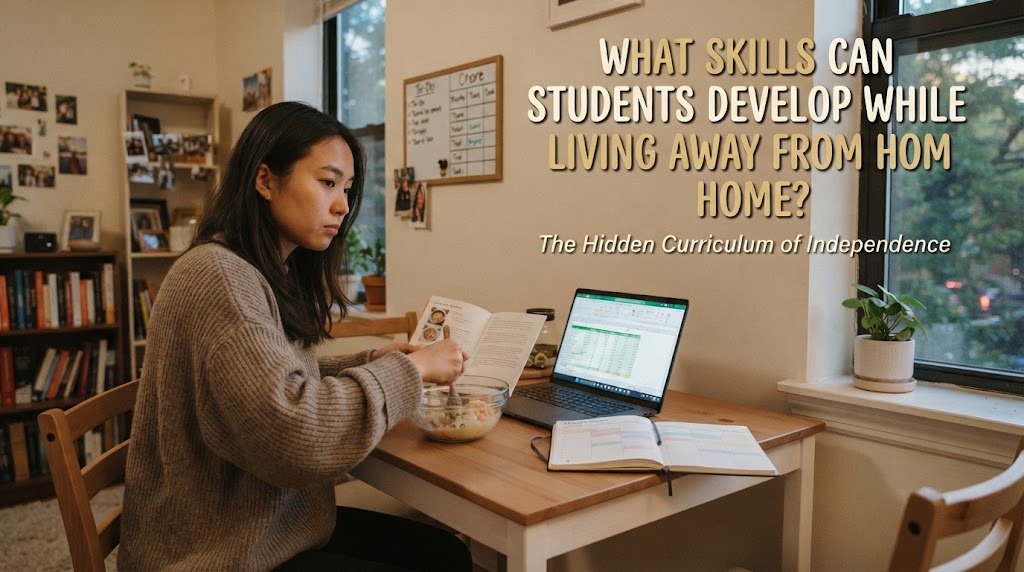
Living away from home gives students more than a new place to study. It also provides opportunities to develop practical skills, personal responsibility, and independence through everyday experiences. Students may need to manage their own schedules, money, meals, household tasks, and academic responsibilities. These experiences can prepare them for challenges they may face after graduation. Although living away from home can be difficult at first, it can become an important learning experience.
INDEPENDENCE AND RESPONSIBILITY
One of the most important skills students can develop while living away from home is independence. Students often need to make daily decisions without relying on their parents or other family members. They decide when to study, what to eat, how to manage their money, and how to handle personal responsibilities. These small decisions gradually teach students to become more responsible for their own choices. They also learn that their actions can have consequences.
Living independently does not mean that students must solve every problem alone. They can still ask family, friends, teachers, or other trusted people for advice when necessary. However, students learn to take an active role in finding solutions. This experience can build self-confidence and decision-making skills. These abilities are useful both during college and in future adult life.
TIME MANAGEMENT
Living away from home requires students to manage different activities without constant reminders from their families. They may need to balance classes, assignments, household tasks, meals, social activities, and rest. Creating a daily or weekly schedule can help them organize these responsibilities. Students gradually learn which tasks need immediate attention and which can be completed later. Time management helps them use their available time more effectively.
Students may also learn from mistakes in managing their schedules. For example, missing a deadline can encourage them to start using reminders or planning their assignments earlier. Over time, they can develop a routine that matches their academic and personal needs. Good time management can reduce unnecessary stress and prevent tasks from accumulating. This skill can remain valuable when students enter the working world.
FINANCIAL MANAGEMENT
Students who live away from home often need to manage their own daily expenses. They may have to plan money for accommodation, food, transportation, study materials, and personal needs. Creating a monthly budget can help students understand how much money they can spend. Tracking daily expenses can also show where their money is going. These habits can help students avoid unnecessary spending.
Financial management also teaches students to distinguish between needs and wants. They may learn to compare prices, plan purchases, save money, and prepare for unexpected expenses. These experiences can make students more aware of the importance of financial planning. Even small budgeting habits can become useful later in life. Learning to manage money early can support greater financial responsibility in adulthood.
PROBLEM SOLVING
Living away from home can create situations that students may not have experienced before. They might deal with a broken appliance, transportation problems, difficult assignments, roommate disagreements, or unexpected expenses. These situations encourage students to think about possible solutions instead of immediately depending on their families. Problem-solving skills can develop through repeated everyday experiences.
Students also learn that different problems may require different approaches. Some situations can be solved independently, while others require help from friends, college staff, landlords, or family members. Learning when to solve a problem alone and when to ask for help is an important part of becoming mature. Each experience can improve students' ability to make practical decisions. This can increase their confidence in handling challenges.
COMMUNICATION SKILLS
Living with new people can help students improve their communication skills. They may need to communicate with roommates, classmates, landlords, teachers, neighbors, and other people in their community. Clear communication can prevent misunderstandings about responsibilities, schedules, payments, and personal boundaries. Students can learn to express their needs while also listening to other people's opinions. Good communication is useful in both personal and professional situations.
Students may also encounter people with different personalities, backgrounds, and habits. These experiences teach them to be more patient and respectful when communicating. They can learn how to discuss disagreements without creating unnecessary conflict. This can strengthen their ability to cooperate with others. Strong communication skills can become an important advantage in future workplaces.
ADAPTABILITY
Moving away from home usually requires students to adjust to a different environment. They may experience new transportation systems, food choices, social habits, academic expectations, and daily routines. At first, these changes may feel uncomfortable or unfamiliar. However, students gradually learn how to adjust to their surroundings. Adaptability helps them respond more calmly when situations change.
Students may also become more open to new experiences. They can learn about different cultures, meet people from different backgrounds, and discover new ways of doing everyday activities. This can help them become more flexible when facing unfamiliar situations. Adaptability is especially useful because life after college can involve many changes. Being able to adjust can support both personal growth and career development.
HOUSEHOLD MANAGEMENT
Living away from home often means students have to manage household responsibilities themselves. They may need to clean their rooms, wash clothes, prepare meals, buy groceries, and organize personal belongings. These activities may seem simple, but doing them regularly requires consistency and responsibility. Students learn how to maintain a living space without depending on their families. Household management is an important practical life skill.
Students can also learn how to organize household tasks around their academic schedules. For example, they may choose a specific day for laundry or grocery shopping. Planning these activities can prevent household responsibilities from interfering with study time. Over time, students can develop routines that make daily life more efficient. These habits can help prepare them for independent living in the future.
EMOTIONAL MANAGEMENT
Living away from family can sometimes make students experience homesickness, loneliness, stress, or frustration. These emotions can be difficult, especially during the first months of living independently. Students can learn to recognize their feelings and find healthy ways to manage them. Talking to trusted friends or family members can provide emotional support. Emotional awareness can help students understand what they need during difficult situations.
Students can also develop healthier coping habits through experience. They may find that exercise, hobbies, adequate rest, social activities, or maintaining regular communication with family can help them feel better. If emotional difficulties become serious or difficult to manage, seeking appropriate professional or campus support can also be important. Learning to care for emotional well-being is part of becoming independent. This skill can support students throughout college and adult life.
DECISION MAKING
Students living away from home often have more opportunities to make decisions independently. They may decide how to spend their money, organize their time, choose their social activities, and respond to everyday problems. Each decision provides an opportunity to understand the relationship between choices and consequences. Decision-making skills can become stronger when students reflect on their experiences.
Good decision making does not mean always making perfect choices. Students can learn from mistakes and use those experiences to make better decisions in the future. They can consider different options, think about possible consequences, and ask for advice when necessary. This process can gradually increase their confidence. The ability to make thoughtful decisions is valuable in education, work, and personal life.
CONCLUSION
Living away from home can help students develop many valuable skills through everyday experiences. They can improve independence, time management, financial management, communication, adaptability, problem solving, and emotional management. These skills are not only useful for college but can also prepare students for adult life and future careers. Challenges that seem difficult at first can become opportunities to learn and grow. With the right habits and support, living away from home can become an important part of personal development.
Tentang Penulis
Gusti Ayu Tita P
Penulis — Universitas STEKOM
Penulis aktif yang berfokus pada isu-isu akademik, teknologi pendidikan, dan pengembangan sumber daya manusia di lingkungan kampus.