
What Skills Do Seasonal Workers Need to Have?
Gusti Ayu Tita P
25 September 2026
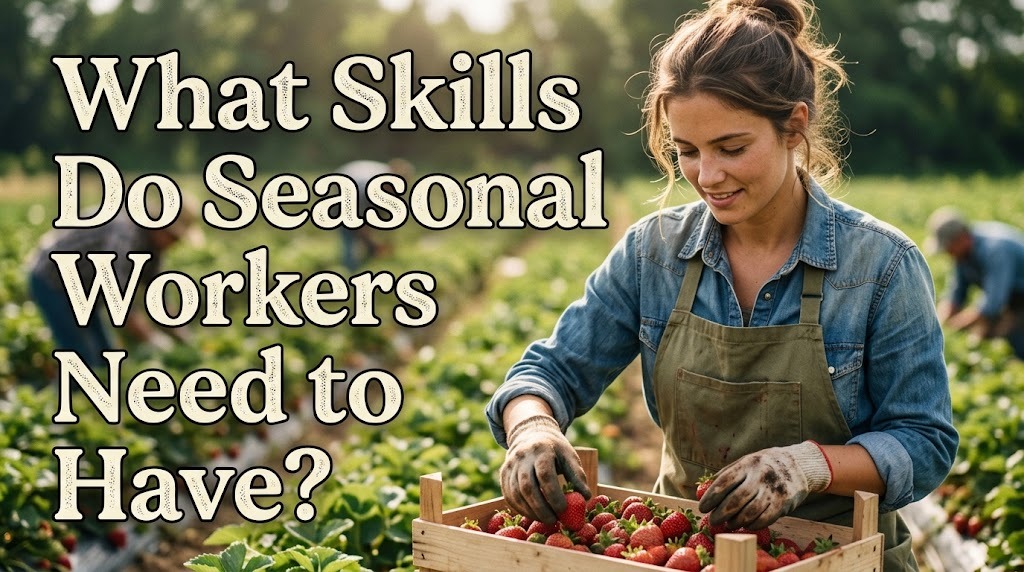
Seasonal work can be a useful opportunity for people who want to gain experience in a short period. However, seasonal workers need several skills to complete their responsibilities effectively and adapt to different workplace situations. Because seasonal employment is often temporary, workers may need to learn new tasks quickly. Having the right skills can help them become more confident, productive, and reliable.
The required skills can depend on the type of seasonal job and the industry involved. Retail workers may need customer service skills, while warehouse workers may need organization and physical coordination. Workers in hospitality may need communication and teamwork skills to serve customers properly. Understanding these requirements can help applicants prepare before starting their seasonal work.
COMMUNICATION SKILLS
Communication skills are important for almost every type of seasonal employment. Workers need to understand instructions from supervisors and communicate clearly with coworkers. Employees who interact directly with customers also need to explain information politely and respond appropriately to questions. Good communication can reduce misunderstandings and help tasks run more smoothly.
Seasonal workers may enter a workplace where they do not know anyone. Communicating respectfully can help them build positive relationships with coworkers and supervisors. They should listen carefully before responding and ask questions when instructions are unclear. Strong communication can make seasonal workers more comfortable while performing their responsibilities.
TIME MANAGEMENT SKILLS
Time management is another important skill because seasonal workers often have a limited period to complete their employment responsibilities. They may need to handle several tasks during a single shift. Arriving on time and organizing tasks according to priority can help workers maintain productivity. Good time management also reduces the possibility of missing important responsibilities.
During busy periods, workers may experience increased workloads and tighter schedules. They should learn to distinguish between urgent and less urgent tasks. Creating a simple task list can help organize daily responsibilities. Effective time management allows seasonal workers to work efficiently without unnecessarily delaying other tasks.
TEAMWORK AND COOPERATION
Many seasonal jobs require employees to work together with permanent staff and other temporary workers. Therefore, teamwork skills are essential for completing shared responsibilities. Workers should be willing to cooperate, respect different opinions, and help coworkers when appropriate. Good cooperation can make a busy workplace more organized.
Seasonal workers may have different levels of experience from the people around them. They should be open to learning from more experienced coworkers and accepting reasonable guidance. They should also communicate when they need assistance with a task. Strong teamwork can create a more positive environment and improve overall work performance.
ADAPTABILITY AND WILLINGNESS TO LEARN
Adaptability is especially useful in seasonal employment because workers may need to adjust to unfamiliar environments and responsibilities. Some workplaces can become very busy during specific periods, requiring employees to change their working pace. Workers may also receive new instructions or tasks during their employment. Being willing to adapt can make these changes easier to manage.
A willingness to learn is equally important for seasonal workers. Workers should pay attention during training and try to understand new procedures. Mistakes can become opportunities to improve when workers are willing to accept feedback. Developing an adaptable attitude can help workers perform different types of seasonal work more effectively.
PROBLEM SOLVING AND RESPONSIBILITY
Seasonal workers may encounter unexpected situations while performing their duties. Problem-solving skills can help them identify practical solutions without immediately becoming overwhelmed. Workers should first understand the problem and then consider the appropriate action. If the situation is beyond their authority, they should ask a supervisor for guidance.
Responsibility is also important because employers need workers they can rely on during busy periods. Workers should complete assigned tasks, follow workplace rules, and take care of company property. Being responsible can help build trust between workers and employers. These habits can also become useful professional qualities for future employment.
CONCLUSION
Seasonal workers need a combination of communication, time management, teamwork, adaptability, problem solving, and responsibility to perform their duties effectively. The exact skills required can vary depending on the type of seasonal job and workplace. Developing these abilities can help workers adjust quickly and maintain good performance. Although seasonal employment is temporary, the skills gained can become valuable work experience for future career opportunities.
Tentang Penulis
Gusti Ayu Tita P
Penulis — Universitas STEKOM
Penulis aktif yang berfokus pada isu-isu akademik, teknologi pendidikan, dan pengembangan sumber daya manusia di lingkungan kampus.



