What Strategies Help Students Save Allowance Monthly?
Gusti Ayu Tita P
29 September 2026
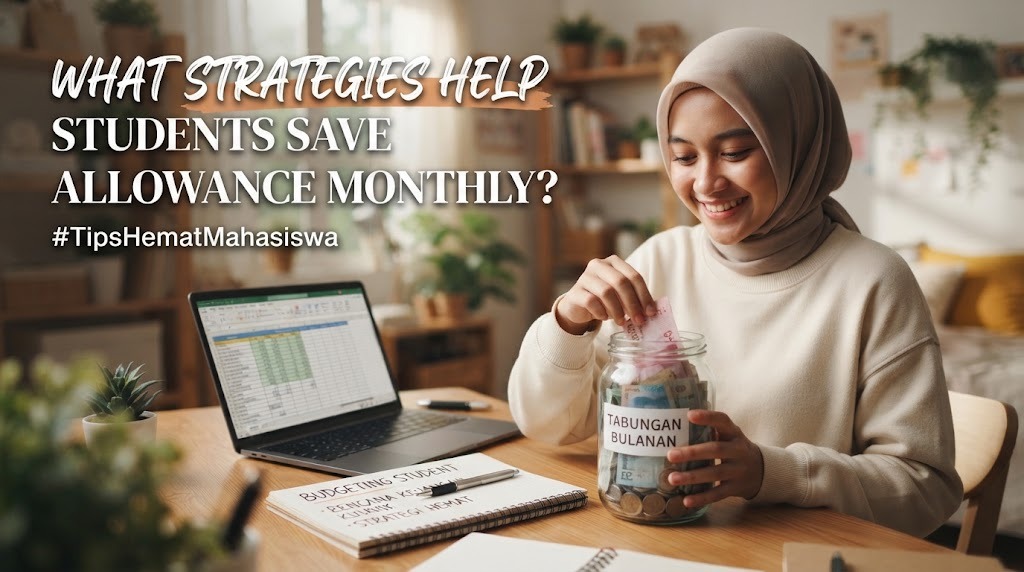
Students can start saving their allowance by setting a clear monthly saving target. The target does not need to be large because the main goal is to build a consistent habit. Students can decide how much money they want to save each month based on the amount of allowance they receive. Having a specific target can make saving easier because students know what they are working toward. A realistic target can also prevent students from feeling pressured when their allowance is limited.
RECORD MONTHLY INCOME AND EXPENSES
Keeping track of income and expenses is another useful strategy for students. They can record how much allowance they receive and how much they spend on food, transportation, school needs, and entertainment. By reviewing these records, students can identify spending habits that may use too much of their allowance. This information can help them decide which expenses can be reduced. Simple records in a notebook or mobile application can already provide a clearer picture of their financial situation.
SAVE MONEY BEFORE SPENDING
Students can make saving easier by putting aside part of their allowance before spending it. For example, they can immediately save a fixed amount when they receive their monthly allowance. The remaining money can then be used for regular expenses and personal needs. This method reduces the temptation to spend money that was supposed to be saved. Over time, saving first can become a regular financial habit.
REDUCE UNNECESSARY EXPENSES
Reducing unnecessary expenses can help students save more allowance each month. Small purchases such as frequent snacks, drinks, online shopping, or spontaneous entertainment can become significant when they happen repeatedly. Students do not have to eliminate all enjoyable activities, but they can set reasonable limits for them. Comparing needs and wants before making a purchase can also prevent impulsive spending. The money saved from these small changes can then be added to their monthly savings.
USE A SEPARATE PLACE FOR SAVINGS
Keeping savings separate from everyday spending money can make it easier to protect them. Students can use a separate savings account, envelope, or digital wallet specifically for their savings, depending on what is practical and appropriate for them. When savings are separated, students are less likely to accidentally spend the money on daily needs. They can also label the savings based on their purpose, such as school supplies, emergency needs, or a personal goal. This method makes progress easier to see and can encourage students to continue saving.
REVIEW SAVING PROGRESS REGULARLY
Students should review their saving progress at the end of each month. They can compare the amount they planned to save with the amount they actually saved. If the target was not reached, they can examine which expenses caused the difference and adjust their budget for the following month. If they reach their target, they can continue the same strategy or gradually increase their savings when possible. Regular evaluation helps students understand their financial habits and improve their money management skills.
CONCLUSION
Students can save their allowance monthly by setting realistic targets, recording expenses, saving before spending, and reducing unnecessary purchases. Separating savings from daily spending money can also make the habit easier to maintain. Regularly reviewing progress helps students recognize what works and what needs to be changed. The most important part is consistency rather than saving a large amount at once. With simple strategies, students can gradually develop better financial habits and become more responsible with their allowance.
Tentang Penulis
Gusti Ayu Tita P
Penulis — Universitas STEKOM
Penulis aktif yang berfokus pada isu-isu akademik, teknologi pendidikan, dan pengembangan sumber daya manusia di lingkungan kampus.