What Types of Hobby Communities Are Popular Today?
Gusti Ayu Tita P
28 September 2026
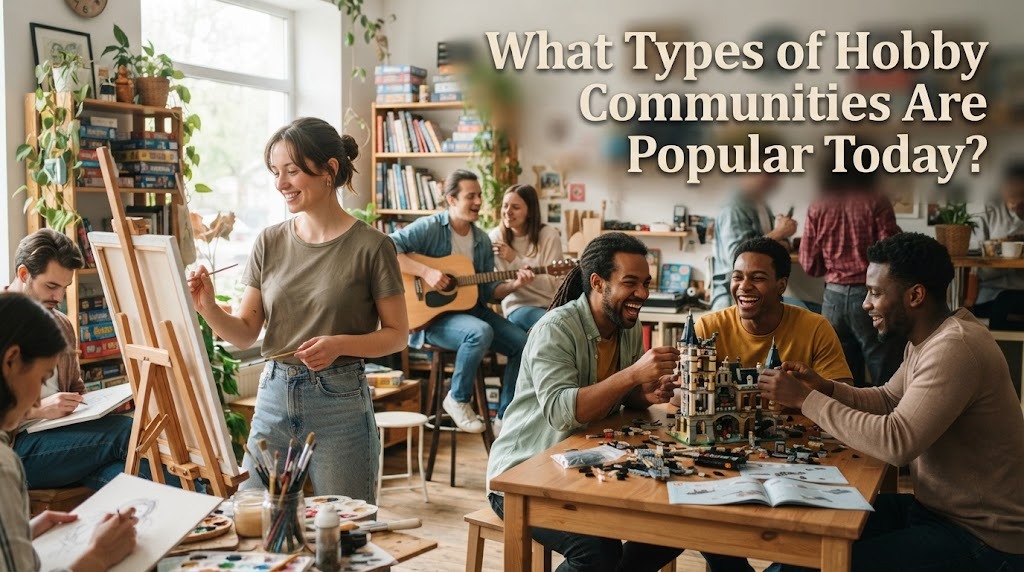
Hobby communities have become a popular way for people to connect with others who share similar interests. These communities can be found both online and offline, allowing members to learn new skills, exchange ideas, and enjoy activities together. A hobby community can turn an individual interest into a social experience.
Today, people can find communities for almost every type of hobby. From sports and photography to books, gaming, cooking, and creative activities, each community has its own style and purpose. Choosing a community usually depends on personal interests, available time, skill level, and preferred way of socializing.
SPORTS AND FITNESS COMMUNITIES
Sports and fitness communities are among the most common types of hobby communities. They bring together people who enjoy activities such as running, cycling, hiking, badminton, football, swimming, yoga, or other forms of exercise. Members can participate in regular training sessions, group activities, competitions, or casual gatherings.
These communities combine physical activity with social interaction. Beginners can often learn from more experienced members, while regular participants can stay motivated by exercising with others. Group activities may also make exercise feel more enjoyable because members can encourage and support one another.
Sports communities can exist through local clubs, schools, workplaces, fitness centers, or online groups. Some focus on a specific sport, while others welcome people with different fitness interests. This variety makes it easier for people to find a group that matches their preferred activity.
BOOK AND WRITING COMMUNITIES
Book clubs and writing communities are popular among people who enjoy reading, storytelling, and creative writing. Book communities usually organize discussions about novels, nonfiction books, or specific literary topics. Members can share opinions, recommend books, and discover different perspectives.
Writing communities may focus on fiction, poetry, blogging, journalism, or other forms of writing. They provide opportunities for members to exchange feedback and improve their writing skills. Some groups also organize writing challenges, workshops, or online discussions.
These communities can be especially useful for people who want to make reading or writing a more consistent habit. Meeting people with similar interests can also encourage members to explore new genres and develop greater confidence in expressing their ideas.
GAMING AND TECHNOLOGY COMMUNITIES
Gaming communities connect people who enjoy video games, board games, tabletop games, or other forms of interactive entertainment. Members may discuss games, share strategies, organize tournaments, or play together online. Some communities focus on a particular game, platform, genre, or gaming style.
Technology communities are broader and may include people interested in programming, computers, artificial intelligence, gadgets, or digital tools. Members can exchange knowledge, solve problems, and learn about new developments in technology.
Many gaming and technology communities operate online through forums, social platforms, chat groups, and dedicated community servers. However, offline gaming events, technology clubs, and workshops also provide opportunities for members to meet face to face.
ART AND CREATIVE COMMUNITIES
Creative communities are popular among people who enjoy activities such as drawing, painting, photography, graphic design, crafts, music, dance, or filmmaking. Members can share their work, discuss techniques, and provide constructive feedback to one another. These communities can include beginners as well as experienced creators.
Creative communities often provide a space for people to express themselves and develop their skills. For example, photography groups may organize photo walks, while art communities may hold exhibitions or drawing sessions. Music communities may organize rehearsals, performances, or collaborative projects.
Online platforms have also made it easier for creators from different locations to interact. Members can upload their work, participate in challenges, and receive feedback without always meeting physically. This allows creative communities to grow beyond geographical boundaries.
COOKING TRAVEL AND LIFESTYLE COMMUNITIES
Cooking communities bring together people who enjoy preparing food, trying recipes, baking, or exploring different cuisines. Members can exchange recipes, cooking tips, ingredient recommendations, and meal ideas. Some groups also organize cooking classes, food events, or shared meals.
Travel communities are another popular type of hobby community. Members may share travel experiences, destination recommendations, photography, itinerary ideas, and practical information. These communities can help people discover new places while learning from the experiences of other travelers.
Lifestyle communities can cover many interests, including gardening, fashion, collecting, home decoration, and other everyday activities. Because these hobbies are often connected to daily life, members can easily exchange practical ideas and experiences.
COLLECTING AND SPECIAL INTEREST COMMUNITIES
Collecting communities bring together people who collect items such as stamps, coins, books, toys, trading cards, antiques, or other objects. Members may discuss collections, exchange items, identify valuable pieces, and share information about their interests.
There are also many specialized communities based on unique interests. These can include astronomy, cars, pets, gardening, volunteering, crafts, or cultural activities. The internet has made it easier for people with highly specific interests to find others who share the same passion.
A specialized community can be valuable because members often have detailed knowledge about the same subject. Beginners can ask questions and learn from experienced members, while experienced hobbyists can share their knowledge with others. This creates opportunities for both learning and social connection.
CONCLUSION
There are many types of hobby communities available today, including sports, books and writing, gaming and technology, arts and creative activities, cooking and travel, and collecting or special interest groups. Each community offers different activities and social experiences.
The right community depends on your interests, goals, schedule, and preferred way of interacting with others. Whether you want to develop a skill, meet new people, share knowledge, or simply enjoy your free time, joining a suitable hobby community can make your hobby more meaningful and enjoyable.
Tentang Penulis
Gusti Ayu Tita P
Penulis — Universitas STEKOM
Penulis aktif yang berfokus pada isu-isu akademik, teknologi pendidikan, dan pengembangan sumber daya manusia di lingkungan kampus.