What Types of Partnerships Can Universities Build with Industry?
Gusti Ayu Tita P
29 September 2026
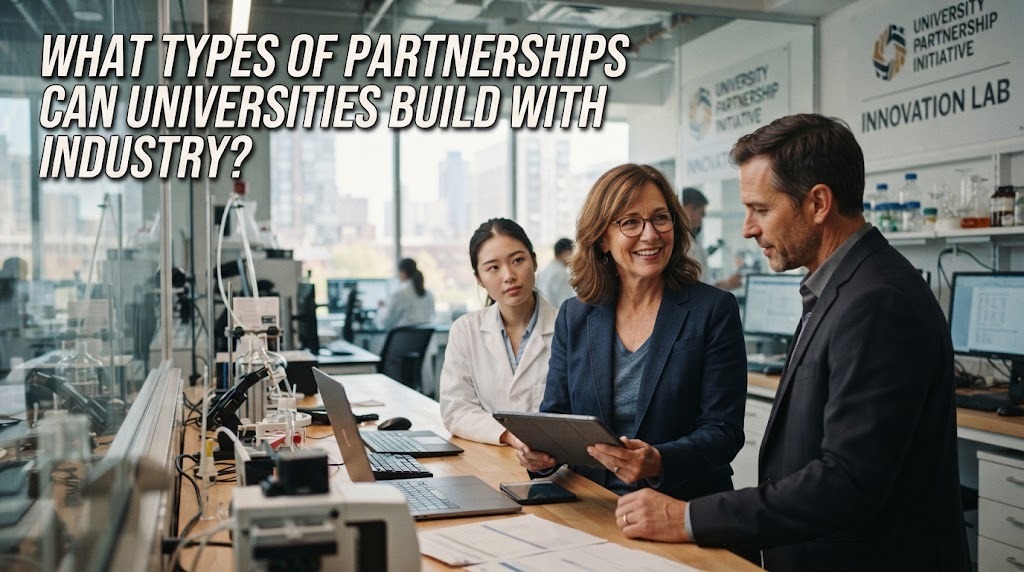
University industry partnerships can create valuable connections between education and the professional world. These partnerships allow universities to provide students with practical experiences while companies can contribute knowledge, technology, and workplace insights. Cooperation can take many forms depending on the needs of the university and industry. Each type of partnership can support education, research, innovation, and career preparation in different ways.
INTERNSHIP PARTNERSHIPS
Internship partnerships allow university students to gain experience in real workplaces. Companies provide opportunities for students to observe professional processes and perform tasks related to their fields of study. Students can develop technical abilities while also learning about communication, teamwork, and professional responsibility. Universities can monitor the program and ensure that the internship supports relevant learning objectives.
Internships can also help students understand whether a particular career field matches their interests and skills. Companies can provide feedback about student performance and identify areas that require further development. This feedback can help universities improve student preparation. A well-designed internship should provide meaningful learning rather than only routine work.
RESEARCH AND DEVELOPMENT PARTNERSHIPS
Research partnerships connect university researchers with companies to address practical industry challenges. Universities can contribute academic expertise, research methods, and specialized knowledge. Companies can provide real-world problems, technical resources, data, or funding where appropriate. Together, they can develop research projects that may lead to new knowledge, processes, technologies, or products.
These partnerships require clear agreements about responsibilities and expected results. Issues such as data access, confidentiality, intellectual property, and publication rights should be discussed before research begins. Students may also participate in research projects under appropriate academic supervision. This gives them valuable experience in applying research knowledge to real problems.
CURRICULUM DEVELOPMENT PARTNERSHIPS
Universities can work with industry professionals to review and improve academic curricula. Companies understand changes in workplace technology, professional practices, and skill requirements. Their input can help universities identify competencies that students may need when entering the workforce. Industry professionals can participate in advisory boards, curriculum discussions, or competency reviews.
Industry input should complement academic expertise rather than replace it. Universities still need to consider educational standards, theoretical foundations, and long-term student development. Combining academic and industry perspectives can create programs that provide both strong knowledge and practical relevance. Curriculum collaboration can therefore help reduce the gap between university learning and workplace expectations.
GUEST LECTURES AND INDUSTRY TRAINING
Universities can invite industry professionals to deliver guest lectures, workshops, and training sessions. Professionals can explain current industry practices, technologies, and challenges using examples from their experience. Students can gain perspectives that may not be fully covered in traditional classroom materials. These activities can also help students understand the skills expected in their future professions.
Industry training can be designed around specific technical or professional competencies. For example, students may receive training in specialized software, workplace safety, digital tools, or professional communication. Such activities can complement regular academic courses. Universities can also use student feedback to improve future industry training programs.
JOINT PROJECT PARTNERSHIPS
Joint projects allow students, lecturers, and industry professionals to work together on practical challenges. Companies can provide real problems or project requirements, while universities provide academic guidance and student talent. Students can develop solutions through research, design, analysis, or experimentation. This approach gives students experience in working with realistic deadlines and professional requirements.
Joint projects can also develop teamwork and problem-solving skills. Students may need to communicate with company representatives and explain their ideas clearly. Industry professionals can provide feedback during different stages of the project. The final results can become useful learning materials or potential solutions for the participating company.
SCHOLARSHIP AND TALENT DEVELOPMENT PARTNERSHIPS
Companies can support university students through scholarships, training programs, competitions, or talent development initiatives. These programs can provide financial or educational support to students who meet specific requirements. Companies may also use these activities to introduce students to their industry and professional environment. Universities can help identify suitable students and manage academic aspects of the program.
Talent development partnerships can include mentoring and career preparation. Students may receive guidance from professionals about technical skills, workplace behavior, and career planning. However, participation in such programs should have clear conditions and responsibilities. Transparent selection and communication can help ensure that students understand the opportunities available to them.
CAREER AND RECRUITMENT PARTNERSHIPS
Universities can cooperate with companies through career fairs, recruitment events, company presentations, and job preparation programs. These activities allow students to learn about available career paths and recruitment requirements. Companies can introduce their work environment, job roles, and application processes directly to potential applicants. Universities can support students by providing career guidance and preparation.
Recruitment partnerships can also include campus hiring or structured graduate recruitment programs. Companies can assess candidates based on relevant qualifications and recruitment criteria. Students can use these opportunities to practice professional communication and learn about employer expectations. Such partnerships create a direct connection between higher education and the employment market.
TECHNOLOGY AND INNOVATION PARTNERSHIPS
Technology partnerships involve cooperation in areas such as digital tools, laboratories, equipment, software, and innovation programs. Companies may provide access to technologies or technical knowledge that universities cannot easily develop on their own. Students and lecturers can use these resources for learning, research, and practical projects. This type of partnership can help academic programs stay connected to technological developments.
Innovation partnerships can also involve startup programs, innovation centers, competitions, and product development. Students may be encouraged to create solutions based on real market or industry needs. Companies can provide mentorship and practical feedback during the development process. With proper management, these partnerships can support both technological learning and entrepreneurial skills.
CONCLUSION
Universities can build many types of partnerships with industry, including internships, joint research, curriculum development, guest lectures, practical projects, scholarships, recruitment programs, and technology collaboration. Each partnership serves different purposes but can contribute to stronger connections between academic learning and professional practice. Successful cooperation requires clear objectives, defined responsibilities, regular communication, and appropriate evaluation. By developing diverse and sustainable partnerships, universities can provide students with broader opportunities to develop knowledge, skills, and workplace experience.
Tentang Penulis
Gusti Ayu Tita P
Penulis — Universitas STEKOM
Penulis aktif yang berfokus pada isu-isu akademik, teknologi pendidikan, dan pengembangan sumber daya manusia di lingkungan kampus.