What Types of PPE Are Used to Protect the Head?
Gusti Ayu Tita P
29 September 2026
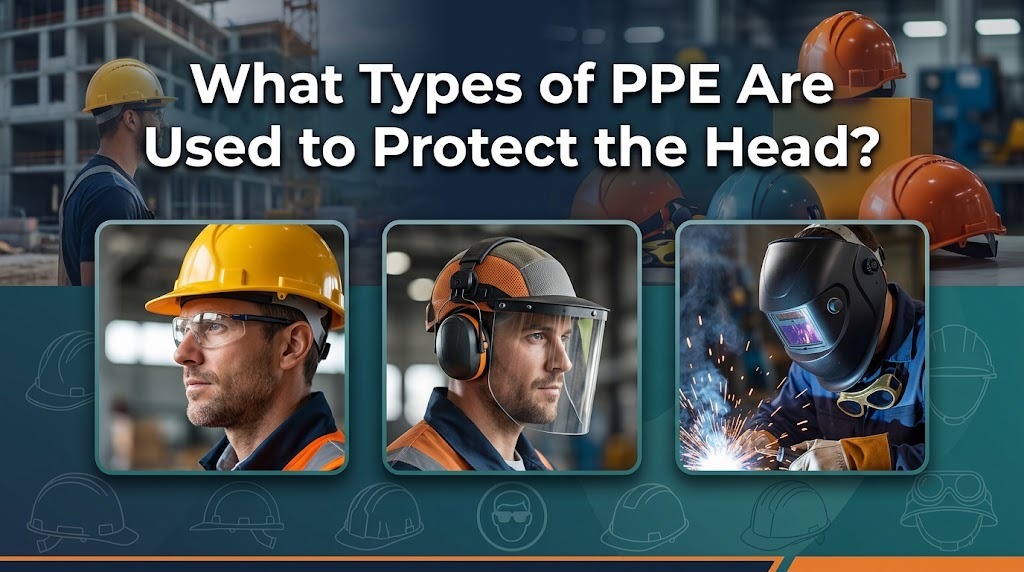
Head injuries can happen in many workplaces, especially in construction, manufacturing, warehouses, and other environments where workers may face falling objects or dangerous equipment. Personal Protective Equipment or PPE can help reduce the risk of head injuries when it is selected and used correctly. Different types of head protection are designed for different workplace hazards. Understanding these types helps workers choose suitable protection for their specific tasks. Proper use and regular inspection are also important to keep head protection effective.
WHY HEAD PROTECTION IS IMPORTANT
Head protection is designed to help protect workers from hazards such as falling objects, flying particles, impacts, and electrical risks. A suitable safety helmet or hard hat can provide an important layer of protection when these hazards are present. However, head protection does not eliminate the hazard itself, so workers must still follow workplace safety procedures. Employers should identify potential risks before determining which type of PPE is required.
Head protection is especially important in workplaces where materials or tools could fall from above. Workers may also need protection when operating near machinery or electrical hazards, depending on the risk assessment. Using appropriate PPE can help reduce the severity of some injuries. For this reason, head protection should be treated as an essential part of a broader workplace safety program.
TYPES OF HEAD PROTECTION
One of the most common forms of head PPE is the hard hat. It is commonly used in construction, industrial, and maintenance environments to help protect the head from impact and falling objects. Some hard hats can also be designed to provide protection from specific electrical hazards when they meet the appropriate safety requirements. Workers should always use a helmet suitable for the hazards identified in their workplace.
Another type is the safety helmet, which can include features such as an adjustable suspension system, chin strap, or other components designed for particular working conditions. Some workplaces may also require specialized head protection for tasks involving heat, chemicals, or other hazards. The correct choice depends on the specific risks and applicable safety requirements. Workers should not assume that every helmet provides the same level of protection.
CHOOSING HEAD PPE BASED ON WORKPLACE RISKS
Workers should choose head protection based on a workplace risk assessment rather than appearance or personal preference. The assessment should consider hazards such as falling objects, impact, electrical contact, heat, and other conditions relevant to the job. A helmet designed for one type of hazard may not provide adequate protection against another. Therefore, workers need to understand the protective capabilities and limitations of their PPE.
Employers should provide appropriate equipment and explain which type should be used for each task. Workers should also check the product information and safety markings to ensure the equipment is suitable. If several types of PPE are required, head protection should be compatible with other equipment such as eye protection or hearing protection. Selecting compatible PPE helps workers maintain protection without interfering with their ability to perform their duties.
CHECKING THE FIT AND CONDITION
Proper fit is essential because head protection must stay securely in place during work. Workers should adjust the suspension system or other fitting components according to the manufacturer's instructions. A helmet that moves excessively or does not fit correctly may not provide the intended protection. Workers should also make sure that straps and other components are properly positioned before starting a task.
Regular inspection is equally important. Workers should look for cracks, damage, excessive wear, or other defects before using their helmets. Damaged equipment should be removed from service according to workplace procedures and replaced when necessary. PPE should also be stored properly to prevent unnecessary damage when it is not being used.
USING HEAD PPE CORRECTLY
Workers should wear head protection whenever workplace procedures identify a risk that requires it. The equipment should be worn according to the manufacturer's instructions and workplace safety rules. Workers should not modify helmets by drilling holes, removing protective components, or making other unauthorized changes. Such modifications can affect the equipment's protective performance.
Workers should also avoid placing objects inside or on the helmet unless the equipment is specifically designed to accommodate them. Accessories should only be used when they are approved or compatible with the protective equipment. Training can help workers understand how to wear, adjust, inspect, clean, and store their head PPE correctly. Consistent use is an important part of maintaining workplace safety.
CONCLUSION
Different types of head PPE are designed to protect workers from specific workplace hazards. Hard hats and safety helmets are commonly used to help protect against impacts and falling objects, while specialized equipment may be required for particular risks. Workers should select protection based on the workplace risk assessment, proper fit, safety requirements, and compatibility with other PPE. Regular inspection, correct use, and proper maintenance are also essential for keeping head protection safe and effective.
Tentang Penulis
Gusti Ayu Tita P
Penulis — Universitas STEKOM
Penulis aktif yang berfokus pada isu-isu akademik, teknologi pendidikan, dan pengembangan sumber daya manusia di lingkungan kampus.