What Types Of Virtual Friends Are Commonly Used?
Gusti Ayu Tita P
25 September 2026
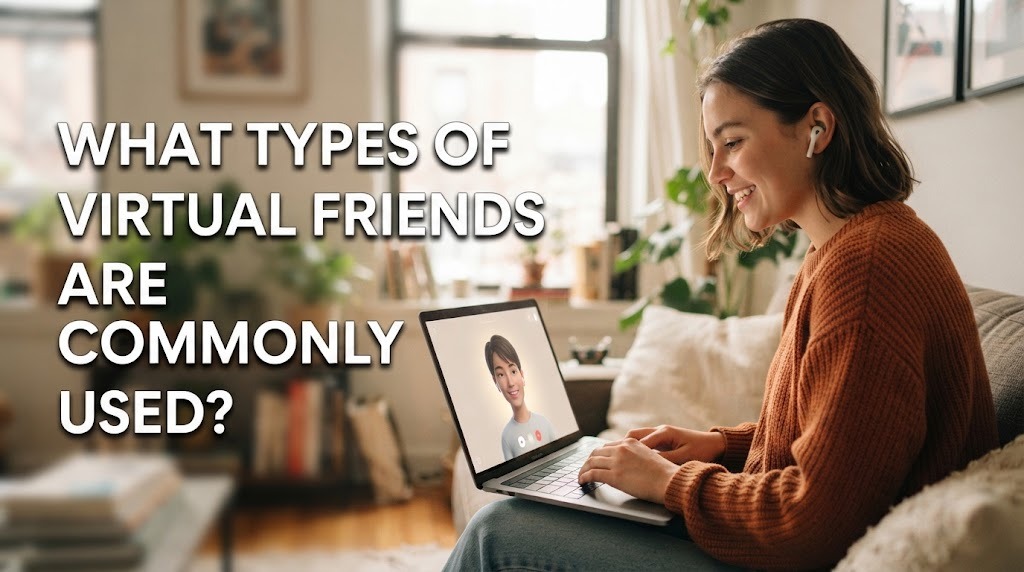
Technology has changed the way people communicate and build connections. Today, virtual friends can provide conversation, entertainment, information, and digital companionship through different types of platforms. Some virtual friends are powered by artificial intelligence, while others are based on online communities or virtual characters. Each type has different features and purposes depending on what users need. Understanding the common types can help people choose a form of virtual friendship that fits their daily activities.
AI CHATBOT FRIENDS
AI chatbot friends are one of the most common types of virtual friends today. They use artificial intelligence to communicate with users through text or sometimes voice. Users can ask questions, discuss interests, share daily experiences, or simply have a casual conversation. These systems can respond to different topics based on their programming and training. Their availability also makes them convenient for users who want quick digital interaction.
Some AI chatbot friends are designed to have friendly personalities and conversational styles. They may also remember certain information within the features provided by the platform. The quality of the conversation depends on the technology and design of the chatbot. However, users should remember that an AI chatbot is not a human being and does not experience emotions in the same way people do.
VIRTUAL CHARACTER FRIENDS
Virtual character friends are digital companions designed around a specific fictional or virtual personality. They may appear as animated characters, avatars, or other digital figures. Users can interact with these characters through conversations, games, or other activities. Some are created mainly for entertainment, while others are designed to provide companionship. Their personalities can make the interaction feel more engaging and enjoyable.
These virtual characters are especially common in mobile applications, games, and entertainment platforms. Some allow users to customize the character's appearance or communication style. Personalization can make the digital experience feel more unique to each user. Even though the character may seem realistic or emotionally expressive, it remains a digital creation.
VIRTUAL ASSISTANT FRIENDS
Virtual assistants are another type of digital companion that can sometimes function like a virtual friend. They are primarily designed to help users complete daily tasks rather than provide friendship. For example, they can set reminders, answer simple questions, provide information, or help manage schedules. Some virtual assistants also support voice conversations, making interaction more natural. Their practical features can make them useful in everyday life.
As virtual assistant technology becomes more conversational, users may interact with these systems beyond simple commands. They might ask for ideas, discuss plans, or request explanations about different topics. Their main purpose is assistance, although regular interaction may create a familiar experience for some users. However, users should still understand that the assistant is a technological tool.
ONLINE COMMUNITY FRIENDS
Online community friends are people users meet through digital communities. These communities can be based on hobbies, games, education, entertainment, or shared interests. Unlike AI-based virtual friends, these connections involve real people communicating through digital platforms. Users can exchange messages, share experiences, and participate in group activities together. Over time, some online interactions can develop into meaningful friendships.
Online communities can be useful for people who have difficulty finding others with similar interests in their local environment. For example, someone interested in photography may join a photography community and meet people who enjoy the same activity. Shared interests can make it easier to start conversations and build connections. Nevertheless, users should remain careful about privacy and personal safety when interacting with people they do not know offline.
GAMING FRIENDS AND VIRTUAL COMPANIONS
Online games can create opportunities for users to develop virtual friendships with other players. Players may communicate through text chat, voice chat, or team-based activities. Working together toward a shared goal can encourage cooperation and regular interaction. Some gaming relationships can continue outside the game through other online platforms. This makes gaming an important environment for digital social interaction.
Some games also include non-player characters that act as virtual companions. These characters may help players during gameplay or interact with them through stories and missions. Gaming companions can provide both entertainment and interaction. However, players should maintain a healthy balance between gaming, social activities, school, work, and other responsibilities.
SOCIAL MEDIA FRIENDS
Social media can also become a place where people develop online friendships. Users may connect through posts, comments, direct messages, groups, and shared interests. These interactions can help people communicate even when they live far away from each other. Social media friends may share information, entertainment, opinions, and everyday experiences. In some cases, online connections can develop into stronger relationships over time.
However, social media interactions may not always represent a person's complete identity or daily life. Users should avoid assuming that everything they see online is accurate. Privacy and personal boundaries are important when developing friendships through social media. People should also be careful when sharing personal information with online contacts.
AVATAR BASED VIRTUAL FRIENDS
Avatar-based virtual friends use digital avatars to represent a virtual companion. An avatar may look like a human, cartoon character, animal, or completely fictional figure. Users can sometimes customize the avatar's appearance, personality, or environment. This creates a more visual form of digital interaction than a simple text conversation. Some platforms combine avatars with artificial intelligence to make conversations more interactive.
The visual element can make the experience feel more personal and entertaining. Users may feel more engaged when they can see a digital character responding to them. Customization is one of the main features that makes avatar-based companionship attractive to some users. Still, the avatar remains a digital representation and should not be confused with a real person.
VOICE BASED VIRTUAL FRIENDS
Voice-based virtual friends allow users to communicate through spoken conversations instead of only typing messages. This can make digital interaction feel more natural and convenient. Users may talk while walking, relaxing, or doing simple tasks. Voice technology can also make the interaction easier for people who prefer speaking rather than typing. Some systems can respond using different voices or conversational styles.
The experience may feel closer to a normal conversation because users can hear responses immediately. However, voice-based systems still have technological limitations. They may misunderstand words, accents, context, or the user's intended meaning. Users should therefore treat voice-based virtual friends as digital tools rather than complete substitutes for human communication.
HOW TO CHOOSE THE RIGHT TYPE OF VIRTUAL FRIEND
Choosing a virtual friend depends on the user's purpose and personal needs. Someone who wants quick answers may prefer an AI chatbot or virtual assistant. Someone who enjoys games may prefer gaming companions or online gaming communities. People who want to connect with others who share their interests may find online communities more suitable. Each type offers different forms of interaction.
Users should also consider privacy, safety, available features, and the amount of time they want to spend online. It is important to understand how a platform collects and uses personal information. A useful virtual friend should fit into a healthy digital routine rather than interfere with daily responsibilities. Choosing carefully can make virtual interaction safer and more enjoyable.
CONCLUSION
There are many types of virtual friends, including AI chatbot friends, virtual characters, virtual assistants, online community friends, gaming companions, social media friends, avatars, and voice-based companions. Each type offers different ways to communicate, socialize, learn, or enjoy digital activities. Some are designed primarily for artificial intelligence interaction, while others connect users with real people online. The right choice depends on what a person wants from digital companionship. Virtual friends can be useful additions to modern digital life when they are used safely, responsibly, and in balance with real-world relationships.
Tentang Penulis
Gusti Ayu Tita P
Penulis — Universitas STEKOM
Penulis aktif yang berfokus pada isu-isu akademik, teknologi pendidikan, dan pengembangan sumber daya manusia di lingkungan kampus.