When Does Pansos Become Excessive?
Gusti Ayu Tita P
24 September 2026
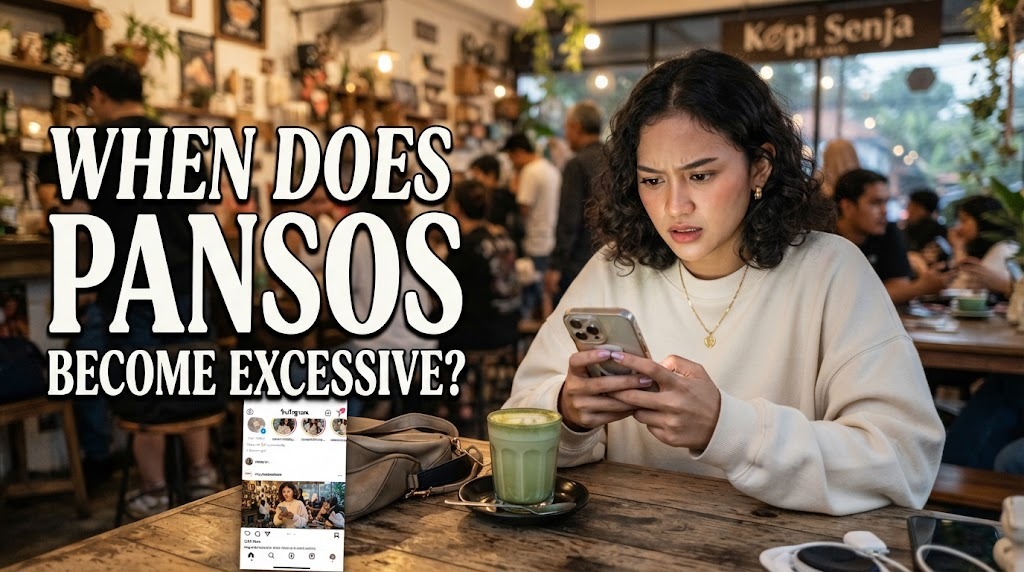
Pansos is an Indonesian slang term related to social climbing, especially when someone seeks attention or popularity through connections with people who are already well known. This behavior can be seen in social media posts, public interactions, photos, and videos. Pansos is not automatically a problem, but it can become excessive when the desire for attention starts to affect relationships, personal identity, or everyday behavior.
It is important to look at the pattern and purpose of someone's actions rather than judging a single post. A person may naturally spend time with popular friends, coworkers, or public figures without trying to gain attention. Several signs can help explain when social climbing behavior may begin to look excessive.
CONSTANTLY SHOWING CONNECTIONS WITH POPULAR PEOPLE
Pansos may appear excessive when someone repeatedly highlights their connection with popular people. Almost every meeting, activity, or interaction may become social media content. If this happens frequently, audiences may begin to notice a pattern of seeking attention.
Sharing moments with friends or colleagues is completely normal. However, repeatedly presenting the same connection mainly to attract public attention can create a different impression. The frequency and purpose of the posts are therefore important when understanding the behavior.
ALWAYS SEEKING PUBLIC ATTENTION
Another sign is when someone becomes too focused on getting attention from an audience. They may constantly look for opportunities to appear in popular content or gain recognition through other people's visibility. Public reactions can then become more important than the actual social relationship.
This behavior can make social media use feel like a continuous search for approval. A person may feel the need to keep creating attention-grabbing content whenever engagement decreases. Over time, this can make online popularity an important part of how the person evaluates their social position.
DEPENDING TOO MUCH ON OTHER PEOPLE'S POPULARITY
Pansos can become excessive when a person's online presence depends heavily on someone else's popularity. Their content may focus more on who they know than on their own skills, interests, or achievements. This can make their personal identity less visible to the audience.
Popularity from another person can provide temporary exposure, but it may not last forever. When the connection is no longer visible, the attention may decrease as well. Building an independent identity can help prevent social connections from becoming the only source of online recognition.
IGNORING FRIENDSHIPS AND PERSONAL BOUNDARIES
Pansos may also become excessive when someone ignores other people's comfort or personal boundaries. For example, they may share private moments or information without considering whether the other person wants it to be public. This can create misunderstandings and affect trust.
Healthy relationships require respect and consideration. Not every meeting or private interaction needs to become public content. Respecting privacy can help maintain genuine relationships even when social media is part of everyday communication.
RELYING TOO MUCH ON SOCIAL VALIDATION
Another important sign is dependence on social validation. Likes, comments, followers, and views can become the main indicators of whether someone feels accepted or important. When engagement becomes lower, the person may feel pressured to seek even more attention.
Social media reactions can provide temporary encouragement, but they should not become the only source of self-worth. Personal abilities, meaningful relationships, and self-acceptance can provide a more stable foundation. Maintaining this balance can reduce the pressure to constantly seek public attention.
CONCLUSION
Pansos may become excessive when someone constantly displays popular connections, seeks public attention, depends on other people's popularity, or ignores personal boundaries. Excessive behavior can also appear when social validation becomes more important than genuine relationships or personal identity.
However, one social media post is not enough to determine whether someone's behavior is excessive. Purpose, context, frequency, and overall behavior should be considered together. A balanced approach allows people to build social connections while maintaining genuine relationships and an independent personal identity.
Tentang Penulis
Gusti Ayu Tita P
Penulis — Universitas STEKOM
Penulis aktif yang berfokus pada isu-isu akademik, teknologi pendidikan, dan pengembangan sumber daya manusia di lingkungan kampus.