Why Are Flexible Learning Methods Trending Among Students?
Gusti Ayu Tita P
28 September 2026
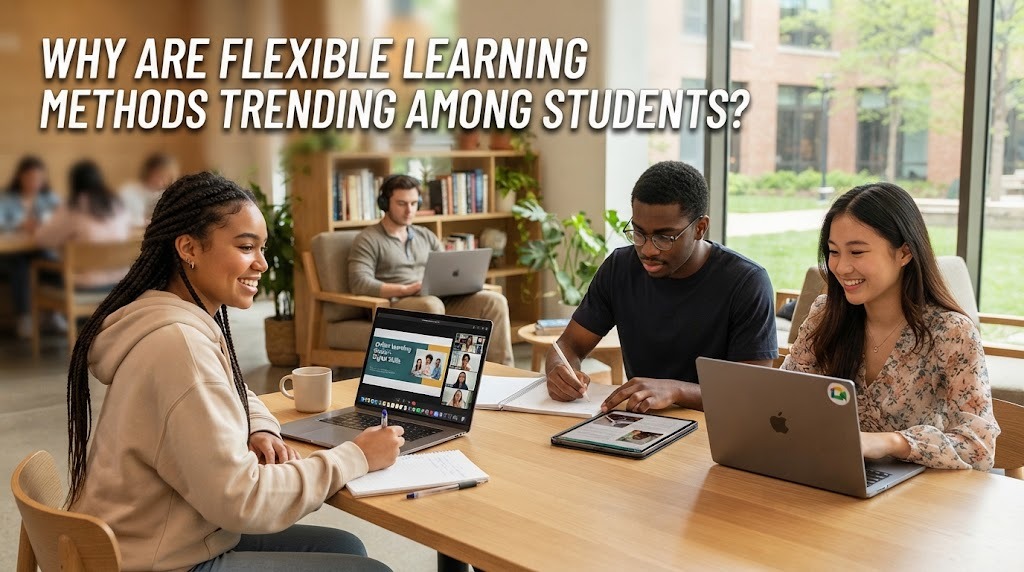
Flexible learning methods are becoming increasingly popular among students because modern education is changing along with technology, digital platforms, and different student needs. Students today may have academic responsibilities alongside organizational activities, internships, part-time work, or personal commitments. Flexible learning gives students more control over when, where, and how they study.
The growing availability of online learning platforms also makes education more accessible outside traditional classrooms. Students can review materials through videos, digital books, online discussions, and recorded lectures. This flexibility allows students to adapt learning activities to their own schedules and circumstances.
STUDENTS HAVE DIFFERENT LEARNING SCHEDULES
One reason flexible learning methods are trending is that students have different daily schedules. Some students participate in organizations, internships, competitions, or other activities outside the classroom. A flexible study system can help students manage academic responsibilities alongside other commitments.
Traditional fixed schedules may not always fit every student's situation. With flexible learning, students can organize certain activities around their most productive periods. This can make it easier for students to maintain consistent learning without completely changing their other responsibilities.
TECHNOLOGY MAKES FLEXIBLE LEARNING EASIER
Digital technology has made flexible learning more accessible than before. Students can use smartphones, laptops, tablets, learning platforms, cloud storage, and digital libraries to access academic materials. Technology allows learning resources to be available beyond the physical classroom.
Online platforms can also provide recorded lectures, digital assignments, discussion forums, and interactive learning materials. Students can review certain materials multiple times when they need additional explanation. Easy access to digital resources can support students who need more time to understand specific topics.
STUDENTS CAN LEARN AT THEIR OWN PACE
Every student has a different ability to understand academic material. Some students may understand a topic quickly, while others need additional explanations and repeated practice. Flexible learning allows students to adjust their learning pace according to their individual needs.
Students can pause recorded lessons, repeat difficult sections, review notes, and practice questions before moving to another topic. This approach can reduce the pressure of having to understand everything at the same moment. Learning at an appropriate pace can encourage students to become more independent in managing their education.
ONLINE LEARNING SUPPORTS GREATER ACCESS
Flexible learning methods can provide students with access to educational resources from different locations. Students who cannot always study on campus can use online platforms to participate in certain academic activities. This can make learning more adaptable to different circumstances.
Online resources can also connect students with materials from universities, educational organizations, libraries, and other learning communities. However, students still need to evaluate the quality of online information. Greater access is useful when students combine it with critical thinking and responsible information selection.
FLEXIBLE LEARNING CAN SUPPORT WORK AND STUDY BALANCE
Some students combine their education with internships, freelance work, part-time jobs, or other professional activities. Flexible learning methods can make it easier to arrange study activities around these responsibilities. Students can potentially gain practical experience while continuing their academic education.
However, flexibility does not mean students have unlimited free time. They still need to complete assignments, attend required activities, and meet academic deadlines. Good time management is essential to prevent flexibility from turning into procrastination.
STUDENTS CAN USE DIFFERENT LEARNING FORMATS
Another reason flexible learning is trending is the availability of different learning formats. Students can learn through videos, podcasts, digital books, interactive platforms, online discussions, presentations, and practical projects. Different formats can provide students with more ways to understand academic concepts.
Students can choose learning resources based on the type of material they are studying. For example, visual explanations may help with complex processes, while practice exercises may be useful for technical subjects. Having multiple learning formats can make the learning process more varied and adaptable.
FLEXIBILITY ENCOURAGES INDEPENDENT LEARNING
Flexible learning also encourages students to take greater responsibility for their education. Students need to decide when to study, which materials to review, and how to organize their learning activities. This can develop independence, discipline, and responsibility.
Independent learning can also prepare students for future professional environments where they may need to learn new skills without constant supervision. Students become more familiar with setting goals and managing their own progress. These habits can be useful beyond college because continuous learning is important in many careers.
CONCLUSION
Flexible learning methods are trending among students because they provide greater schedule flexibility, easier access to digital resources, personalized learning pace, multiple learning formats, and opportunities to balance study with other activities. Technology has played an important role in making these methods more practical and accessible.
However, flexibility also requires discipline and effective time management. Students can gain the most from flexible learning when they combine freedom with clear schedules, consistent study habits, and academic responsibility. In this way, flexible education can support both learning progress and the changing needs of modern students.
Tentang Penulis
Gusti Ayu Tita P
Penulis — Universitas STEKOM
Penulis aktif yang berfokus pada isu-isu akademik, teknologi pendidikan, dan pengembangan sumber daya manusia di lingkungan kampus.