Why Are Hobby Communities Important for Building Social Connections?
Gusti Ayu Tita P
28 September 2026
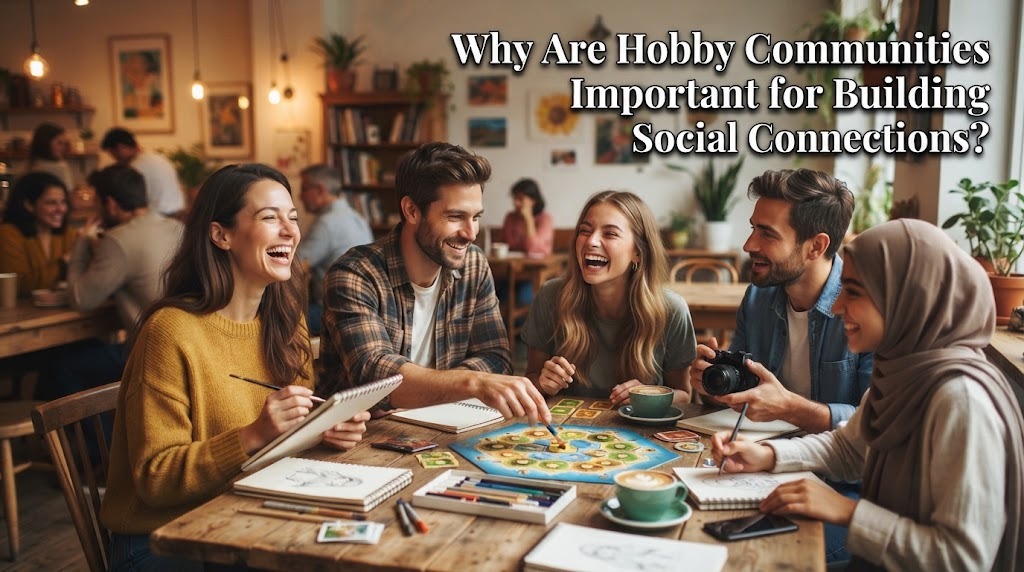
Hobby communities bring people together through shared interests and activities. Whether the hobby involves sports, music, photography, gaming, cooking, reading, or creative activities, a community can create opportunities to meet people with similar interests. These groups are not only places to enjoy a hobby but also spaces where members can communicate, cooperate, and build meaningful relationships. For many people, joining a hobby community can make social interaction feel more natural and comfortable.
WHAT IS A HOBBY COMMUNITY?
A hobby community is a group of people who share an interest in a particular activity or subject. Members may meet in person through clubs, events, classes, or local groups, while others connect through online platforms and social media. The activities can range from casual discussions to regular practice sessions, competitions, workshops, and community projects. Because members already have a common interest, conversations often become easier to start and maintain.
Hobby communities can include people from different ages, backgrounds, professions, and experiences. This diversity gives members opportunities to learn from one another and discover different perspectives. A welcoming community can also help people feel accepted because they are able to participate without having to share the same personal background. Over time, regular interaction can turn simple hobby-based relationships into stronger social connections.
HOW DO HOBBY COMMUNITIES BUILD SOCIAL CONNECTIONS?
Hobby communities create social connections by giving people regular opportunities to interact. Members can communicate while participating in activities, exchanging ideas, solving problems, or simply enjoying their shared hobby. Repeated interactions help people become more familiar with one another and gradually develop trust. This process can be especially useful for people who find it difficult to start conversations in unfamiliar social situations.
Shared activities also provide natural topics for discussion. Instead of having to think about what to talk about, members can discuss techniques, experiences, recommendations, or recent developments related to their hobby. These conversations can develop into friendships when people discover additional interests or values they have in common. As a result, hobby communities can provide a practical environment for developing stronger social relationships.
WHY ARE SHARED INTERESTS IMPORTANT?
Shared interests can make social interaction easier because people already have something meaningful to discuss. A common hobby can reduce the awkwardness that sometimes occurs when strangers first meet. Members can exchange knowledge, recommend resources, and share experiences related to activities they enjoy. These interactions create opportunities for people to understand each other's personalities and communication styles.
Shared interests can also strengthen relationships over time. When people regularly participate in an activity together, they may develop a sense of familiarity and belonging. Positive experiences, such as completing a project or attending an event together, can create memories that strengthen connections. However, healthy relationships still depend on respect, communication, and mutual effort rather than shared interests alone.
WHAT SOCIAL SKILLS CAN PEOPLE DEVELOP?
Hobby communities can help members practice important social skills in a relaxed environment. Communication skills can improve when people discuss ideas, ask questions, give feedback, and explain their experiences. Team-based hobbies can also teach cooperation, responsibility, listening, and conflict management. These skills can be useful not only within the community but also in education, work, and everyday life.
Participation can also help people become more confident when interacting with others. Someone who is initially quiet may gradually become more comfortable speaking after participating in several community activities. Taking small responsibilities, such as helping organize an event or assisting another member, can provide additional opportunities to practice leadership and teamwork. The development of these skills usually happens gradually through consistent participation.
HOW CAN HOBBY COMMUNITIES REDUCE SOCIAL ISOLATION?
Hobby communities can provide regular opportunities for people to interact with others instead of spending all their free time alone. A scheduled meeting, online discussion, group practice, or community event can create a sense of routine and social participation. For people who have recently moved to a new place or are looking for new social circles, these activities can provide a starting point for meeting others. The shared hobby gives members a clear reason to connect.
However, joining a community does not automatically eliminate loneliness or social isolation. The quality of interaction matters, and members need to feel respected and included. Communities that welcome new participants and discourage harmful behavior are more likely to create positive social experiences. Members can also choose their level of participation according to their comfort and personal circumstances.
WHAT ARE THE BENEFITS OF ONLINE HOBBY COMMUNITIES?
Online hobby communities make it possible for people to connect regardless of geographical distance. Forums, social media groups, messaging platforms, and online events can bring together people who have the same interests but live in different cities or countries. Members can exchange information, discuss experiences, share creative work, and provide feedback without meeting physically. This can be particularly useful for niche hobbies that may have only a small local following.
Online communities also require healthy communication and responsible behavior. Members should respect different opinions, protect personal information, and avoid sharing unverified or harmful content. When possible, online relationships can develop further through virtual events or safe offline activities. A combination of online and offline interaction can provide broader opportunities for building social connections.
HOW CAN SOMEONE FIND THE RIGHT HOBBY COMMUNITY?
Finding the right hobby community starts with identifying activities that genuinely interest you. Look for local clubs, campus organizations, workshops, social media groups, online forums, or community events related to the hobby. Before becoming actively involved, consider whether the group has clear rules, respectful communication, and activities that match your interests. A supportive environment can make it easier to participate and develop new relationships.
It is also helpful to start gradually. Attend an event, introduce yourself, observe how members interact, and participate in activities that feel comfortable. You do not need to become highly active immediately or know everyone in the group. With consistent participation, you may naturally become more familiar with other members and discover which relationships are worth developing further.
HOW CAN MEMBERS CREATE A WELCOMING COMMUNITY?
A welcoming hobby community requires participation from both new and existing members. Experienced members can help newcomers by introducing themselves, explaining community activities, and answering basic questions without making others feel uncomfortable. Simple actions such as listening, including others in conversations, and appreciating different skill levels can make a significant difference. Respect should remain important even when members have different opinions or levels of experience.
Community organizers can also establish clear expectations for communication and behavior. Rules against harassment, discrimination, bullying, and inappropriate conduct can help create a safer environment. Activities that encourage cooperation rather than excessive competition can also help members interact more comfortably. When people feel respected and included, they are more likely to participate consistently and form positive social connections.
CONCLUSION
Hobby communities are important for building social connections because they give people a shared purpose and regular opportunities to interact. Through common interests, members can develop friendships, improve communication skills, practice teamwork, and experience a stronger sense of belonging. Both online and offline communities can provide valuable opportunities when they encourage respectful and inclusive interaction. Choosing a community that matches your interests and values can make social participation more enjoyable and meaningful.
Tentang Penulis
Gusti Ayu Tita P
Penulis — Universitas STEKOM
Penulis aktif yang berfokus pada isu-isu akademik, teknologi pendidikan, dan pengembangan sumber daya manusia di lingkungan kampus.