Why Are Student Communities Growing in Modern Campuses?
Gusti Ayu Tita P
28 September 2026
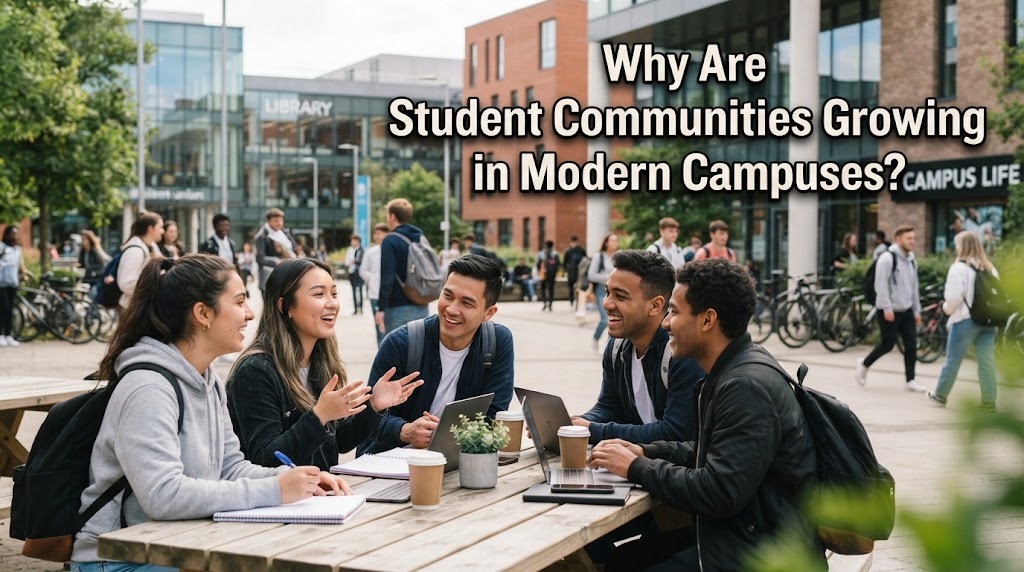
Student communities have become an important part of modern campus life. Many college students join communities based on academic interests, hobbies, skills, social activities, or personal interests. These communities give students opportunities to meet people with similar interests while developing experiences outside the classroom.
The growth of student communities is also connected to changes in communication and technology. Social media and digital platforms make it easier for students to promote activities, communicate with members, and attract new participants. As campus life becomes more diverse, student communities can provide spaces for collaboration, learning, and social interaction.
STUDENTS WANT TO CONNECT WITH PEOPLE WHO SHARE SIMILAR INTERESTS
One reason student communities continue to grow is the desire to meet people with similar interests. Students may have different academic backgrounds but share interests in sports, arts, technology, entrepreneurship, volunteering, or other activities. A student community creates a space where members can interact around a common interest.
These connections can make campus life more enjoyable. Students can exchange ideas, share experiences, and support each other while participating in activities they enjoy. Meaningful connections can also help students feel more involved in their campus environment.
STUDENT COMMUNITIES PROVIDE LEARNING OPPORTUNITIES
Learning does not only happen through lectures and formal academic activities. Student communities can provide opportunities to learn practical skills through discussions, workshops, projects, and events. Students can gain knowledge from both experienced members and their peers.
For example, students interested in technology may participate in coding projects, while students interested in business may organize entrepreneurship activities. These experiences can complement classroom learning. Practical activities allow students to apply knowledge in situations that are different from traditional academic assignments.
COMMUNITIES HELP STUDENTS DEVELOP SOFT SKILLS
Participation in student communities can also support the development of soft skills. Students may practice communication, teamwork, leadership, problem-solving, organization, and time management through community activities. These skills are useful for both academic life and future professional environments.
Students can also learn how to work with people who have different personalities and perspectives. Organizing an event, managing a project, or solving a group problem requires cooperation. Regular participation can therefore help students become more comfortable working collaboratively.
SOCIAL MEDIA MAKES STUDENT COMMUNITIES EASIER TO GROW
Digital platforms have changed how student communities communicate with potential members. Communities can use social media to announce events, share activities, publish information, and introduce their programs. This makes it easier for students to discover communities that match their interests.
Communication is also faster through messaging applications and online groups. Members can coordinate activities without always meeting physically. Digital communication allows student communities to remain active even when members have different schedules or locations.
STUDENT COMMUNITIES SUPPORT CAREER AND PROFESSIONAL DEVELOPMENT
Some student communities are closely connected to career interests. Students can join communities related to their academic fields or professional goals to gain additional experience. Participation can help students explore career interests while still studying at university.
Community activities can also produce experiences that students may include in their portfolios or resumes. Organizing an event, becoming a committee member, managing social media, or leading a project can demonstrate practical abilities. These experiences can help students understand their strengths and identify skills they still need to develop.
COMMUNITIES CREATE A STRONGER SENSE OF BELONGING
University life can sometimes feel unfamiliar, especially for students who are adjusting to a new environment. Student communities can provide opportunities to meet people and establish friendships. A supportive community can help students feel more connected to campus life.
A sense of belonging can encourage students to participate more actively in campus activities. Members may also support each other during academic challenges or organizational responsibilities. Positive relationships within a community can create an environment where students feel comfortable sharing ideas and experiences.
MODERN CAMPUSES ARE BECOMING MORE DIVERSE
Modern campuses bring together students with different interests, backgrounds, academic fields, and goals. This diversity can encourage the creation of communities with more specific interests. Students can find groups that reflect their academic, creative, social, cultural, or professional interests.
The variety of communities also gives students more choices. They can participate in one community or explore several activities depending on their time and interests. A diverse community environment can make campus life more dynamic and provide students with more opportunities for personal development.
CONCLUSION
Student communities are growing in modern campuses because they provide social connections, learning opportunities, soft skill development, career experiences, and a stronger sense of belonging. Technology and social media have also made it easier for communities to communicate and attract new members.
For students, joining a community can be a valuable way to complement academic learning. However, participation should remain balanced with study responsibilities. Choosing communities that match personal interests and goals can help students gain meaningful experiences while making their university life more active and productive.
Tentang Penulis
Gusti Ayu Tita P
Penulis — Universitas STEKOM
Penulis aktif yang berfokus pada isu-isu akademik, teknologi pendidikan, dan pengembangan sumber daya manusia di lingkungan kampus.