Why Are Virtual Friends Becoming More Popular In The Digital Era?
Gusti Ayu Tita P
25 September 2026
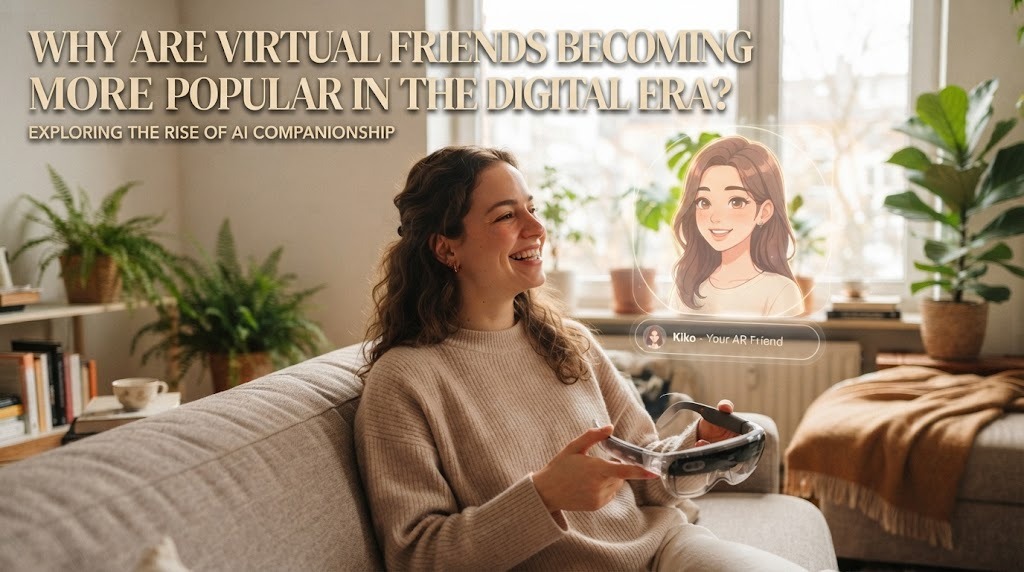
The way people communicate has changed significantly as digital technology becomes part of everyday life. Today, people can interact with virtual friends through applications and other digital platforms without needing to meet face to face. These virtual companions can provide conversation, entertainment, companionship, and emotional support at almost any time. As technology becomes more accessible, virtual friends are attracting greater attention from people with different needs and lifestyles.
WHAT ARE VIRTUAL FRIENDS?
Virtual friends are digital companions designed to communicate with users through text, voice, or other forms of interaction. They can respond to questions, discuss different topics, and participate in casual conversations. Some virtual friends are powered by artificial intelligence, allowing them to generate responses based on the context of a conversation. Their purpose can range from entertainment and communication practice to providing a sense of companionship.
Unlike human friends, virtual friends do not have personal lives or real-world experiences. Their interactions are created through digital technology rather than genuine human relationships. Even so, their ability to communicate in a conversational way can make them feel familiar and accessible. This combination of technology and companionship is one reason they have become increasingly interesting in the digital era.
HOW HAS TECHNOLOGY MADE VIRTUAL FRIENDS MORE ACCESSIBLE?
Advances in artificial intelligence and natural language technology have made digital conversations more realistic and convenient. Modern systems can understand written questions and respond in ways that are often more natural than older computer programs. People can access these services through smartphones, computers, and other connected devices. Easy access has made virtual companionship available to a much wider audience.
Internet connectivity has also contributed to this development. People can communicate with digital companions from home, school, work, or while traveling. Many services are available whenever users want to start a conversation. This level of convenience fits naturally into modern digital lifestyles.
WHY DO PEOPLE ENJOY THE CONVENIENCE OF VIRTUAL FRIENDS?
Convenience is one of the main reasons virtual friends are becoming more popular. Users do not need to arrange a meeting or wait for another person to become available before starting a conversation. A virtual friend can be accessed whenever the service is available. This flexibility can be useful for people with busy schedules or limited opportunities for social interaction.
Virtual friends can also be used for short conversations that do not require a long commitment. Someone might talk for a few minutes during a break or use a virtual companion while relaxing at home. This makes digital interaction easy to fit into different daily routines. The convenience of quick communication can make virtual friends appealing to many users.
CAN VIRTUAL FRIENDS HELP REDUCE LONELINESS?
Some people use virtual friends because they want someone or something to interact with when they feel alone. A digital companion can provide conversation and allow users to express thoughts without needing to organize a meeting with another person. Having a conversational partner can sometimes make moments of loneliness feel less empty. However, this does not mean virtual friends can completely solve loneliness.
Human relationships remain important because they provide shared experiences, emotional understanding, and mutual support. Virtual friends can be an additional source of companionship, but they should not automatically replace family members, friends, or other trusted people. Using digital companionship alongside real-life relationships can provide a more balanced social experience.
WHY ARE VIRTUAL FRIENDS ATTRACTIVE TO PEOPLE WHO PREFER PRIVATE COMMUNICATION?
Some people feel more comfortable expressing certain thoughts through digital communication. Talking to a virtual friend may feel less intimidating because users do not have to deal with facial expressions or immediate reactions from another person. This can make it easier for some users to practice expressing their feelings and ideas.
Privacy can also make digital conversations appealing, although users should not assume that every platform provides complete privacy. Personal information should be shared carefully, especially when using unfamiliar services. Users should understand the platform's privacy practices and avoid sharing sensitive information such as passwords or financial details.
HOW DO VIRTUAL FRIENDS SUPPORT DIFFERENT DAILY ACTIVITIES?
Virtual friends can be used for more than casual conversations. People may use them to practice languages, brainstorm ideas, organize thoughts, or prepare for conversations. Students can use digital companions for communication practice, while other users may use them for simple entertainment or daily reflection. Their flexibility allows people to use virtual companions for different purposes.
Some virtual friends can also adapt their conversational style to different situations. A user may prefer a friendly conversation, a learning-focused discussion, or a simple exchange of ideas. This variety can make the experience feel more personalized. As people discover different ways to use the technology, interest in virtual companionship can continue to grow.
DOES PERSONALIZATION MAKE VIRTUAL FRIENDS MORE POPULAR?
Personalization is another factor that can make virtual friends appealing. Some systems allow users to choose communication styles, personalities, interests, or conversation preferences. This can create an experience that feels more suitable to an individual's expectations. A personalized interaction can make users feel more comfortable during digital conversations.
The ability to customize a virtual companion also makes the technology different from traditional communication tools. Instead of simply sending messages, users can interact with a system designed to respond in a particular conversational style. However, personalization does not mean that the virtual friend has genuine emotions or human experiences. Users should understand the difference between simulated interaction and real human connection.
HOW DOES THE DIGITAL LIFESTYLE INFLUENCE THIS TREND?
Modern life increasingly involves smartphones, social media, messaging applications, online entertainment, and digital services. People are already accustomed to communicating through screens, so interacting with a virtual friend can feel like a natural extension of this behavior. Digital communication has become a normal part of everyday routines. This environment creates opportunities for virtual friends to become more familiar to the public.
Younger generations in particular often grow up surrounded by digital technology. However, interest in virtual companionship is not limited to one age group. People with different lifestyles may find different reasons to use these services. The growing presence of digital technology helps explain why virtual friends are receiving more attention.
CAN VIRTUAL FRIENDS HELP PEOPLE PRACTICE SOCIAL SKILLS?
Virtual friends may provide a low-pressure environment for practicing communication. Users can try different ways of explaining ideas, asking questions, or starting conversations. This can be useful for people who want to become more comfortable with communication. Practice through digital interaction may help users prepare for some real-world conversations.
However, virtual interaction cannot fully reproduce human social situations. Real conversations involve body language, facial expressions, unexpected reactions, and shared experiences. Therefore, virtual friends should be viewed as a possible communication practice tool rather than a complete substitute for real social interaction. Combining digital practice with real-world communication can provide broader experience.
WHAT ARE THE LIMITATIONS OF THE GROWING POPULARITY OF VIRTUAL FRIENDS?
The popularity of virtual friends also brings important concerns. Excessive use may interfere with sleep, productivity, responsibilities, or real-life relationships. Some users may also become emotionally dependent on digital companionship. Healthy boundaries are important when using virtual friends regularly.
There are also concerns about privacy and the accuracy of information provided by digital systems. Users should avoid treating every response as completely reliable, especially when discussing important matters. For serious emotional, health, financial, or safety-related situations, appropriate human support should be considered. Understanding these limitations can help people use virtual friends more responsibly.
WHAT DOES THE FUTURE OF VIRTUAL FRIENDS LOOK LIKE?
Virtual friends may continue to develop as artificial intelligence and digital communication technology improve. Future systems may offer more natural conversations and more personalized experiences. These developments could make digital companionship easier to access and more diverse. The role of virtual friends may continue expanding as people discover new ways to use them.
However, technological progress does not remove the importance of human relationships. Virtual friends can provide convenience and companionship, but they cannot fully reproduce the complexity of human connection. The future will likely involve different forms of interaction existing alongside one another. Responsible use will remain important as virtual companionship becomes more common.
CONCLUSION
Virtual friends are becoming more popular in the digital era because they offer convenience, accessibility, personalization, companionship, and communication support. Advances in artificial intelligence have made digital conversations easier and more natural than before. People may use virtual friends for entertainment, emotional reflection, communication practice, or simple everyday conversations. At the same time, users should maintain healthy boundaries, protect their privacy, and continue developing meaningful real-life relationships.
Tentang Penulis
Gusti Ayu Tita P
Penulis — Universitas STEKOM
Penulis aktif yang berfokus pada isu-isu akademik, teknologi pendidikan, dan pengembangan sumber daya manusia di lingkungan kampus.