Why Are Young Workers More Likely to Become Job Hoppers?
Gusti Ayu Tita P
23 September 2026
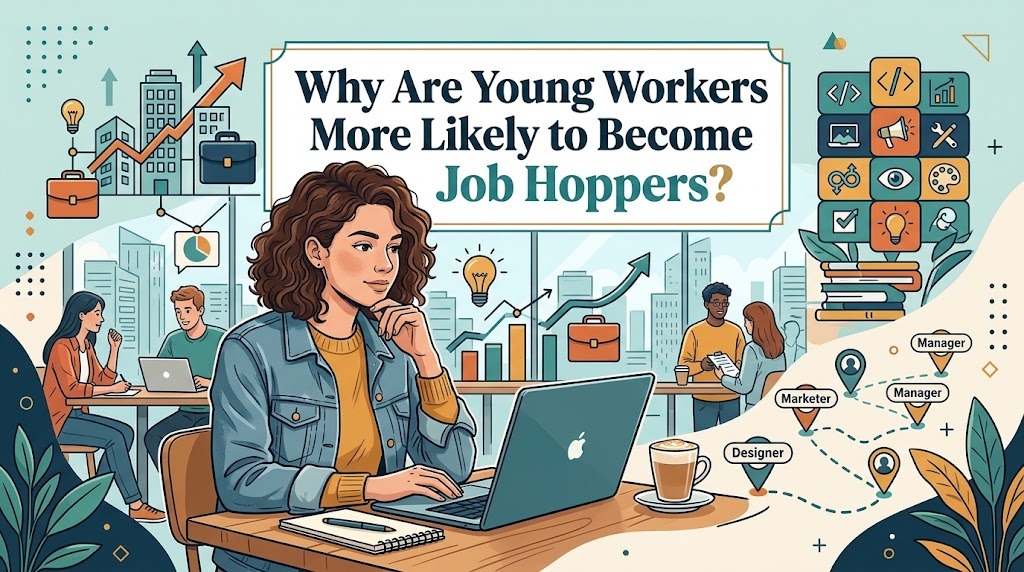
Young workers are often still exploring their interests, abilities, and career goals. During the early stages of a career, changing jobs can be one way to discover which type of work and workplace are suitable. Some young employees also have different expectations about career growth, flexibility, learning opportunities, and workplace culture. These factors can contribute to more frequent career changes among some younger workers.
Being a young job hopper does not necessarily mean someone lacks commitment. Early career decisions are often influenced by learning, exploration, economic conditions, and opportunities available in the labor market. Understanding these factors can provide a clearer picture of why some young workers change jobs more frequently.
EXPLORING CAREER INTERESTS
One reason young workers may change jobs is that they are still discovering their career interests. Their first job may not always match what they expected before entering the workforce. After gaining practical experience, they may realize that another field or position better matches their abilities and interests. Moving to another job can therefore become part of the process of finding a suitable career direction.
Work experience can provide information that education alone may not offer. Young employees can learn about different responsibilities, workplace environments, and professional expectations. These experiences can help them understand what they enjoy and what they want to improve. However, career exploration is more useful when each job provides meaningful learning rather than repeated changes without a clear purpose.
LOOKING FOR FASTER CAREER GROWTH
Young workers may also change jobs because they want career growth. Some employees feel that their current position offers limited opportunities to take on greater responsibilities or develop new abilities. Another company may provide training, a different role, or a clearer path toward advancement. These opportunities can make a job change attractive to someone who wants to develop quickly.
Career growth is not only about receiving a higher position. It can also involve learning new skills, managing projects, working with experienced professionals, or gaining experience in a new area. Young workers may consider these factors when deciding whether to remain in their current position. A thoughtful move can provide experience that supports their long-term career goals.
CHANGING EXPECTATIONS ABOUT WORK
The expectations of some young workers regarding workplace culture may differ from those of previous generations. They may place importance on communication, flexibility, learning opportunities, supportive management, and work-life balance. When a workplace does not meet their expectations, they may begin looking for another opportunity. These preferences can influence how long they choose to remain with an employer.
However, workplace expectations also need to be balanced with realistic professional responsibilities. Every company has rules, deadlines, challenges, and performance expectations. Young employees can benefit from learning how to communicate their needs and adapt to different working environments. Understanding this balance can help them make better career decisions instead of leaving whenever they encounter ordinary workplace difficulties.
ACCESS TO MORE JOB INFORMATION
Digital technology has made it easier for workers to discover job opportunities. Online job platforms, professional networking sites, company websites, and social media can expose young employees to many vacancies. They can compare job descriptions, required skills, salaries when disclosed, and workplace information more easily than in the past. This greater access can make changing jobs seem more achievable.
At the same time, having access to many opportunities does not mean every opportunity is suitable. Young workers should research companies carefully before applying or accepting an offer. They should consider the responsibilities, learning opportunities, working conditions, and potential career development. Careful research can prevent frequent changes caused by unrealistic expectations about a new position.
SALARY AND FINANCIAL CONSIDERATIONS
Salary and financial needs can also influence job changes among young workers. Employees who are early in their careers may have financial goals such as becoming more independent, supporting personal expenses, or improving their financial stability. If another employer offers better compensation or benefits, they may consider moving. However, salary is only one factor that should be considered when evaluating a job.
A higher salary may not always provide better overall career value. Workers should also consider opportunities to learn, workplace conditions, job responsibilities, benefits, and future development. A position with slightly lower compensation may sometimes provide useful experience that supports future opportunities. Young workers can benefit from evaluating the complete employment package instead of focusing on one factor.
BUILDING A STRONG EARLY CAREER
Although young workers may change jobs more often, they can still build a strong professional reputation. The key is to make career moves purposeful and learn something valuable from each position. Workers should keep records of their achievements, develop relevant skills, and maintain positive relationships with former colleagues. These actions can help create a clear career story even when the person has worked for several companies.
Young employees should also set short-term and long-term goals. Before leaving a job, they can consider whether the next position will provide meaningful improvement or development. Taking time to evaluate each decision can prevent unnecessary job hopping. With careful planning, early career exploration can become a useful foundation for long-term professional growth.
CONCLUSION
Young workers may become job hoppers for several reasons, including career exploration, the desire for faster growth, changing workplace expectations, easier access to job opportunities, and financial considerations. Early employment is often a period of learning and discovering professional interests. Changing jobs can therefore be part of a worker's development when each transition has a clear purpose.
However, frequent job changes without direction can create challenges in the future. Young workers can build stronger careers by choosing opportunities carefully, developing useful skills, maintaining professional relationships, and setting clear career goals. The focus should not simply be on staying at one company for a long time, but on building valuable experience and consistent professional growth.
Tentang Penulis
Gusti Ayu Tita P
Penulis — Universitas STEKOM
Penulis aktif yang berfokus pada isu-isu akademik, teknologi pendidikan, dan pengembangan sumber daya manusia di lingkungan kampus.