Why Can Living Away From Home Shape A Student’s Character?
Gusti Ayu Tita P
29 September 2026
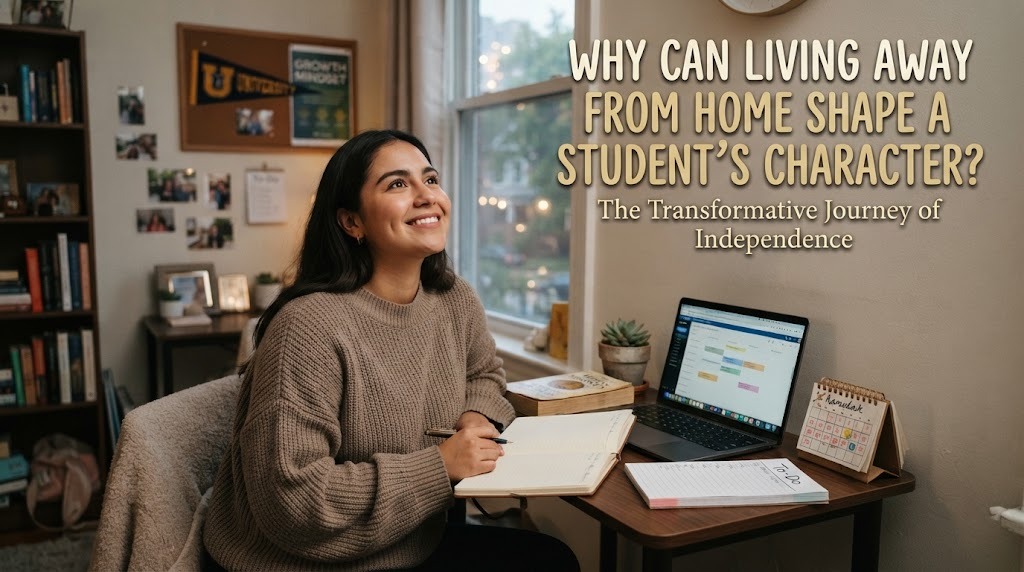
Living away from home can become an important experience in a student's personal development. Students who move to another city or area for college often face situations that require them to make decisions independently. They need to manage their studies while also handling daily responsibilities without constant help from their families. These experiences can gradually influence their attitudes, habits, and character. Although the adjustment may be difficult, it can provide valuable lessons for the future.
DEVELOPING INDEPENDENCE
Living away from home gives students more opportunities to practice independence. They may need to decide when to study, prepare meals, clean their room, manage transportation, and organize their daily activities. Parents may no longer be available to remind them about every responsibility. Because of this, students have to become more aware of what needs to be done. These everyday decisions can gradually build a stronger sense of responsibility.
Independence does not mean refusing help from other people. Students can still ask their families, friends, teachers, or other trusted people for advice when necessary. The important part is that students learn to take responsibility for their own decisions. They become more confident when they discover that they can handle everyday situations. Independent thinking can become an important part of their character.
BUILDING RESPONSIBILITY
Students living away from home usually have more responsibilities than they may have had before. They need to manage academic deadlines, personal finances, household tasks, and daily schedules. If they ignore these responsibilities, they may experience direct consequences such as missed assignments or financial problems. These experiences can teach students to become more careful with their choices. Responsibility grows through regular practice, not only through advice.
Students can also learn that responsibility involves thinking about the effects of their actions. For example, spending too much money early in the month can create difficulties later. Ignoring household tasks can make their living environment uncomfortable. These simple situations teach practical lessons about planning and discipline. Over time, students can develop greater awareness of their duties.
LEARNING TO MAKE DECISIONS
Living independently gives students many opportunities to make decisions. They may choose where to live, how to spend their money, how to organize their schedules, and how to respond to problems. Some decisions may be simple, while others can have a greater effect on their academic or personal life. Students learn to consider different options and possible consequences. This process can strengthen their decision-making skills.
Making mistakes can also become part of the learning process. Students may sometimes choose an option that does not produce the expected result. Instead of seeing every mistake as a failure, they can use the experience to understand what they should do differently next time. Reflecting on previous choices can improve future decisions. This can help students become more thoughtful and confident.
IMPROVING ADAPTABILITY
Moving away from home often means entering a new environment with different people, routines, and expectations. Students may need to adjust to new transportation systems, food choices, social habits, and academic environments. The first stage can feel unfamiliar, but students gradually learn how to respond to these changes. Adaptability allows them to remain flexible when their circumstances change. This skill can also help them deal with unexpected situations.
Students may become more open to different ways of thinking as they meet people from various backgrounds. They can learn that not everyone has the same habits, opinions, or lifestyle. Understanding these differences can encourage students to become more patient and respectful. These experiences can contribute to personal growth and maturity. Adaptability can remain useful long after college.
DEVELOPING PROBLEM SOLVING SKILLS
Living away from family can expose students to problems that they previously depended on others to handle. They may experience transportation issues, accommodation problems, financial difficulties, or conflicts with roommates. These situations encourage them to think about possible solutions. Instead of immediately waiting for someone else to solve the problem, students can learn to take action. Problem solving can therefore become a natural part of independent life.
Students also learn that not every problem should be handled alone. Some situations require help from family members, college staff, landlords, health professionals, or other appropriate sources. Knowing when to ask for help is itself an important life skill. Through different experiences, students can become better at identifying problems and choosing suitable solutions. This can increase their confidence in handling challenges.
STRENGTHENING SELF CONFIDENCE
Living independently can give students opportunities to discover abilities they did not realize they had. Successfully managing a difficult assignment, solving a daily problem, or handling an unexpected situation can increase their confidence. These small achievements can show students that they are capable of managing their responsibilities. Self-confidence can grow through real experiences. It does not always develop simply by receiving encouragement from others.
Students may still experience failure or difficult moments while living away from home. However, overcoming these experiences can teach them that setbacks do not always mean they should give up. They can evaluate what happened, learn from it, and try again. This process can make students more resilient when facing future challenges. Confidence and resilience can become valuable parts of their character.
IMPROVING COMMUNICATION
Living away from home often requires students to communicate with many different people. They may interact with roommates, classmates, lecturers, landlords, neighbors, and people in the local community. Clear communication can help them explain their needs and avoid misunderstandings. Students also learn to listen to different opinions and respond respectfully. Communication skills can strongly influence how they build relationships with others.
Students may also need to discuss disagreements or shared responsibilities. Learning how to communicate calmly can prevent small problems from becoming larger conflicts. They can practice expressing their opinions while respecting other people's boundaries. These experiences can make students more mature in social situations. Good communication can also become useful in future workplaces and professional relationships.
LEARNING SELF DISCIPLINE
Without parents nearby, students often have greater freedom to decide how they spend their time. This freedom can be useful, but it also requires self-discipline. Students need to decide when to study, sleep, clean, exercise, socialize, and complete other responsibilities. Nobody may be there to remind them about every task. Learning to manage this freedom can strengthen their discipline.
Self-discipline becomes especially important when students have many choices. They may need to avoid excessive entertainment when they have an important assignment. They may also need to control unnecessary spending or maintain a regular sleep schedule. Developing these habits takes time and consistency. Eventually, self-discipline can become part of a student's daily character.
BECOMING MORE OPEN MINDED
Living in a new environment can expose students to people with different backgrounds, cultures, opinions, and lifestyles. These experiences can encourage students to understand perspectives that may be different from their own. They can learn that there may be several ways to approach a situation. Open mindedness can help students communicate more effectively with people from different backgrounds. It can also reduce unnecessary misunderstandings.
Students do not have to agree with every opinion they encounter. Instead, they can learn to listen, ask questions, and consider information before forming conclusions. This approach can help them become more respectful and thoughtful. Exposure to different experiences can therefore contribute to broader perspectives. These qualities can be useful in both personal and professional life.
CONCLUSION
Living away from home can shape a student's character through everyday responsibilities and real-life experiences. Students can develop independence, responsibility, adaptability, self-discipline, communication, problem solving, and self-confidence. They may face challenges, but these situations can provide opportunities to learn and grow. Character development does not happen instantly; it develops gradually through repeated choices and experiences. With healthy habits and appropriate support, living away from home can become an important part of a student's personal growth.
Tentang Penulis
Gusti Ayu Tita P
Penulis — Universitas STEKOM
Penulis aktif yang berfokus pada isu-isu akademik, teknologi pendidikan, dan pengembangan sumber daya manusia di lingkungan kampus.