Why Can Past Experiences Trigger Trust Issues?
Gusti Ayu Tita P
26 September 2026
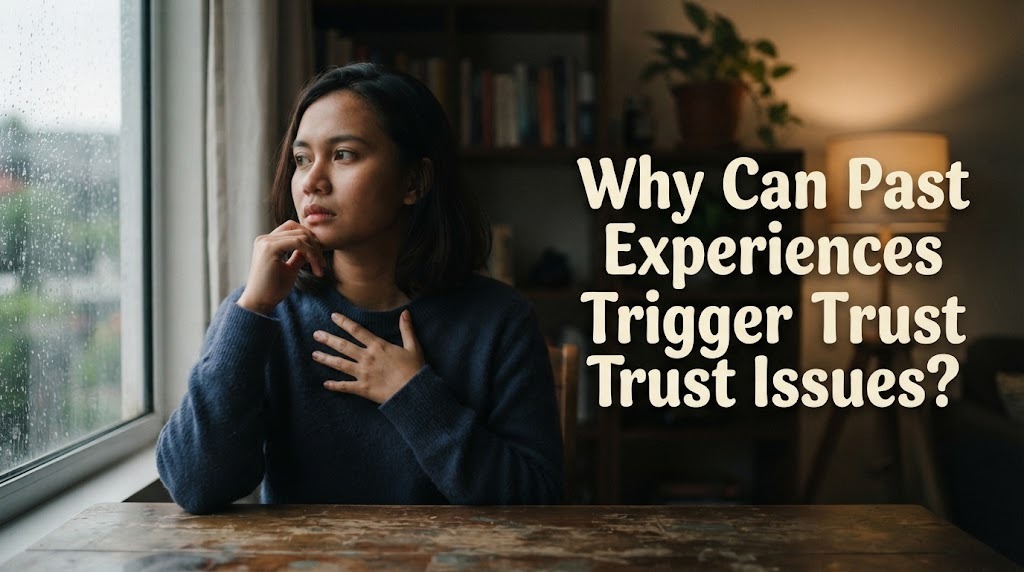
Past experiences can strongly influence how someone understands trust and relationships. When a person has experienced betrayal, dishonesty, rejection, or repeated disappointment, they may become more careful about trusting others. These experiences can create emotional patterns that affect how someone responds to similar situations in the future.
Trust issues often develop because the mind tries to protect a person from experiencing the same pain again. A situation that reminds someone of a difficult experience may trigger fear, suspicion, or insecurity. Understanding how past experiences trigger trust issues can help people recognize these reactions and respond to them in healthier ways.
PAST BETRAYAL CAN CREATE FEAR
Betrayal is one of the strongest experiences that can affect a person's ability to trust. Being lied to, cheated on, manipulated, or deceived can make someone question whether other people are being honest. After such an experience, a person may become more alert to possible signs of dishonesty.
This reaction can continue even when a new person has not done anything wrong. A simple situation, such as a delayed message, may remind someone of how they were treated in the past. As a result, past betrayal can create fear that the same painful experience will happen again.
REPEATED DISAPPOINTMENT CHANGES EXPECTATIONS
Repeated disappointment can gradually change what someone expects from other people. If promises are frequently broken or relationships repeatedly end in painful ways, a person may begin to expect negative outcomes. They may feel that trusting others will eventually lead to disappointment.
These expectations can influence future relationships even when circumstances are different. Someone may become emotionally distant or avoid becoming too close to others. Repeated disappointment can therefore make it harder to recognize that a new relationship may have a different pattern.
PAINFUL RELATIONSHIPS CAN CREATE EMOTIONAL TRIGGERS
A difficult relationship can leave behind emotional triggers connected to certain words, behaviors, or situations. For example, someone who was previously lied to may feel uncomfortable when a new partner becomes less communicative. The present situation may not be harmful, but it can remind the person of an earlier experience.
Emotional triggers can cause strong reactions before someone has time to carefully evaluate what is happening. This may lead to suspicion, anxiety, or defensive behavior. Recognizing these triggers can help someone understand that a current reaction may be influenced by past relationship experiences.
CHILDHOOD EXPERIENCES CAN INFLUENCE TRUST
Trust can also be influenced by experiences during childhood. Children learn about relationships through their interactions with parents, caregivers, family members, teachers, and other important people. Inconsistent communication, broken promises, or a lack of emotional security may influence how someone understands trust later in life.
However, childhood experiences do not automatically determine how someone will behave as an adult. People can learn new ways of communicating and develop healthier relationships through positive experiences. Understanding the connection between childhood experiences and trust can simply provide insight into why certain situations may feel difficult.
FEAR OF BEING HURT AGAIN
After experiencing emotional pain, some people may develop a strong fear of being hurt again. Avoiding trust can feel safer because it creates emotional distance from situations that might lead to disappointment. A person may believe that staying guarded will prevent them from experiencing the same pain.
However, excessive emotional protection can make it difficult to form meaningful connections. Someone may avoid sharing feelings, constantly question another person's intentions, or withdraw when a relationship becomes closer. Learning to distinguish between genuine warning signs and fear from past experiences can help create healthier relationships.
NEGATIVE ASSUMPTIONS CAN STRENGTHEN TRUST ISSUES
Past experiences can sometimes encourage people to make negative assumptions about present situations. If someone was previously betrayed, they may quickly interpret uncertain behavior as a sign of dishonesty. This can happen even when there is not enough evidence to support the assumption.
For example, a person may become suspicious when a friend does not respond immediately to a message. Instead of considering several possible explanations, they may automatically connect the situation to something painful from their past. Learning to separate facts from assumptions can help reduce unnecessary suspicion and emotional reactions.
NEW EXPERIENCES CAN HELP REBUILD TRUST
Although past experiences can contribute to trust issues, new experiences can also help change those patterns. Consistent honesty, respectful communication, and reliable behavior can show someone that not every relationship will repeat the past. Over time, positive experiences can create a stronger sense of emotional safety and trust.
Rebuilding trust usually takes patience rather than one major event. A person can gradually learn to recognize when an old fear is influencing a present situation. With self awareness, healthy communication, and supportive relationships, it can become easier to respond to the present based on what is actually happening.
CONCLUSION
Past experiences can trigger trust issues because betrayal, disappointment, painful relationships, childhood experiences, and fear of being hurt again can influence how someone interprets present situations. When a current event resembles something painful from the past, it may trigger suspicion or emotional defensiveness.
However, past experiences do not have to control future relationships. By recognizing emotional triggers, separating facts from assumptions, developing self awareness, and experiencing consistent healthy relationships, someone can gradually develop a more balanced approach to trust.
Tentang Penulis
Gusti Ayu Tita P
Penulis — Universitas STEKOM
Penulis aktif yang berfokus pada isu-isu akademik, teknologi pendidikan, dan pengembangan sumber daya manusia di lingkungan kampus.