Why Can Trust Issues Make Someone Struggle to Trust Other People?
Gusti Ayu Tita P
26 September 2026
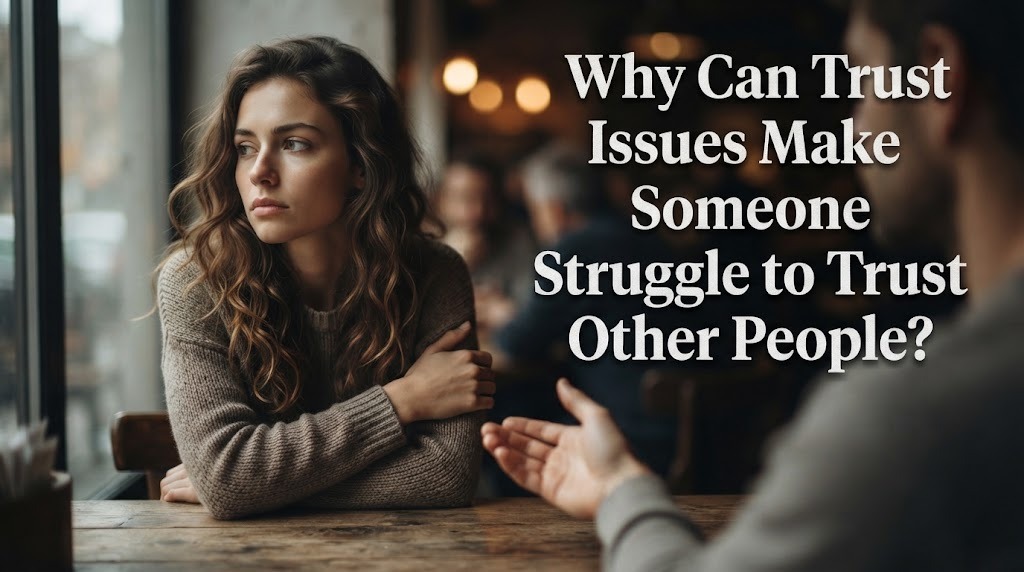
Trust is an important part of healthy relationships because it helps people feel safe, respected, and comfortable with others. However, someone who has experienced trust issues may find it difficult to believe that other people are honest or dependable. This difficulty can affect friendships, family relationships, romantic relationships, and even professional interactions.
Trust issues often develop after experiences that make a person feel disappointed, betrayed, rejected, or unsafe. The person may become more careful because they want to avoid experiencing the same pain again. Understanding why trust issues happen can help people recognize their feelings and gradually develop healthier ways of building trust.
PAST BETRAYAL CAN AFFECT TRUST
One common reason people develop difficulty trusting others is experiencing betrayal in the past. Betrayal can happen when someone lies, breaks a promise, shares private information, or behaves in a way that seriously damages a relationship. After such an experience, a person may become more cautious when developing new relationships.
The brain may also connect new situations with previous painful experiences. As a result, someone who has been betrayed may expect similar behavior from other people even when there is no clear evidence of dishonesty. This does not necessarily mean that the person wants to reject others, but past experiences can influence how they interpret present situations.
FEAR OF BEING HURT AGAIN
People with trust issues may struggle to trust others because they are afraid of experiencing emotional pain again. If a previous relationship ended with disappointment or betrayal, trusting someone new can feel risky. Avoiding closeness may seem like a way to protect oneself from another negative experience.
This fear can sometimes lead to emotional distance. A person may avoid sharing personal information, hesitate to become emotionally close, or constantly question another person's intentions. Although these behaviors may provide temporary feelings of safety, they can also make it harder to develop meaningful relationships.
LOW SELF CONFIDENCE CAN INCREASE DOUBT
Trust issues can sometimes be connected to the way a person views themselves. Someone with low self confidence may worry that they are not valuable enough to be treated honestly or respectfully. These concerns can make them more sensitive to small changes in another person's behavior.
For example, a delayed response to a message may be interpreted as rejection even when there is a simple explanation. The person may repeatedly question whether they have done something wrong or whether another person is losing interest. Learning to separate assumptions from evidence can help reduce unnecessary doubt.
OVERTHINKING CAN MAKE TRUST MORE DIFFICULT
Another factor that can contribute to trust problems is overthinking. A person may repeatedly analyze conversations, messages, facial expressions, or changes in behavior to search for signs that something is wrong. Small details can then become sources of worry even when there is no clear reason for concern.
Overthinking can create a cycle in which uncertainty produces more questions and more questions create additional uncertainty. Instead of focusing only on imagined possibilities, it can be helpful to consider the actual evidence available. Clear communication and realistic thinking can help people understand situations more accurately.
DIFFICULTY TRUSTING CAN AFFECT RELATIONSHIPS
Trust issues can have a significant effect on personal relationships. A person may frequently ask for reassurance, become suspicious, avoid emotional closeness, or find it difficult to accept another person's support. These behaviors can create tension when the other person does not understand where the doubt is coming from.
At the same time, trust needs to develop gradually and should not be forced. Healthy relationships involve honest communication, consistent behavior, respect, and appropriate boundaries. When people communicate openly and demonstrate reliability over time, it can become easier for someone with trust difficulties to feel more secure.
TRUST CAN BE BUILT GRADUALLY
Having trust issues does not mean that someone will always struggle to trust other people. Trust can develop gradually through repeated positive experiences and consistent interactions. A person can start by identifying situations that trigger suspicion and considering whether the reaction is connected to the current situation or an earlier experience.
It can also help to communicate feelings clearly instead of immediately making assumptions. When trust difficulties significantly interfere with relationships or daily life, speaking with a qualified mental health professional can provide additional support. Building trust is usually a gradual process, and progress does not require ignoring past experiences or forcing immediate emotional closeness.
CONCLUSION
Trust issues can make someone struggle to trust other people because past betrayal, fear of being hurt, low self confidence, and overthinking can influence how they interpret relationships. These experiences may cause a person to become cautious even when a new relationship does not present the same risks as the past.
Developing trust takes time and requires consistent behavior, honest communication, healthy boundaries, and emotional awareness. Understanding the causes of trust difficulties can be an important first step toward building healthier relationships and becoming more comfortable with trusting others.
Tentang Penulis
Gusti Ayu Tita P
Penulis — Universitas STEKOM
Penulis aktif yang berfokus pada isu-isu akademik, teknologi pendidikan, dan pengembangan sumber daya manusia di lingkungan kampus.