
Why Do Job Hoppers Move from One Job to Another?
Gusti Ayu Tita P
23 September 2026
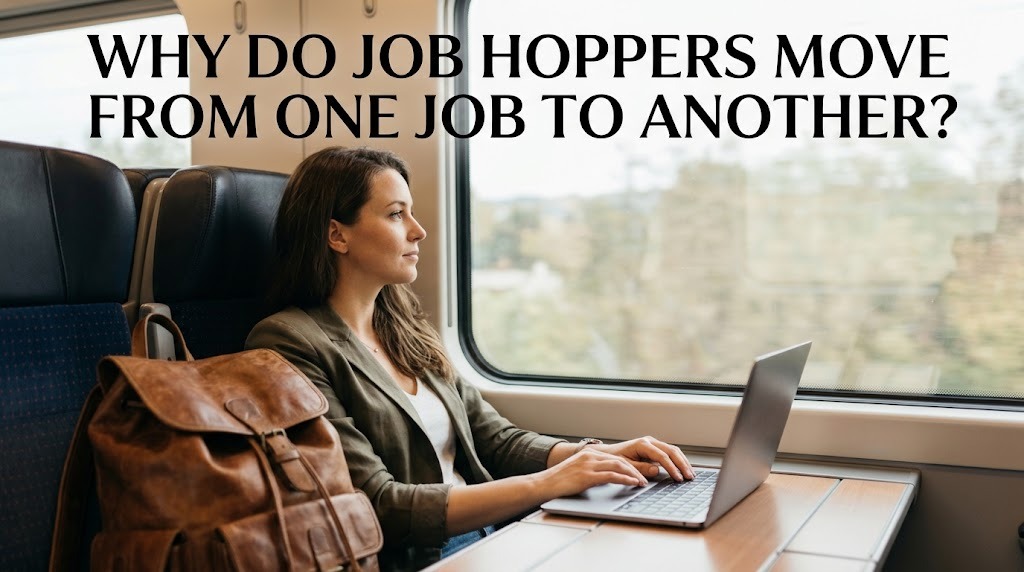
Changing jobs several times has become increasingly common in the modern workplace. Some workers move because they want better opportunities, while others leave because their current workplace no longer matches their expectations. This behavior is often associated with the term job hopper. Understanding the reasons behind job hopping can help workers make more thoughtful career decisions and build a stronger professional path.
SEEKING BETTER CAREER OPPORTUNITIES
One of the main reasons job hoppers move from one job to another is the desire to find better career opportunities. A worker may feel that their current position does not provide enough chances to develop new skills or take on greater responsibilities. Moving to another company can sometimes offer a clearer career path, more challenging projects, or opportunities to work in a different field. For ambitious workers, changing jobs may be a way to continue learning instead of staying in a position with limited growth.
Another important factor is the possibility of receiving a position that better matches a person's long term career goals. For example, someone who starts as a junior marketing employee may move to another company to obtain a position with greater responsibility. This type of job change can help workers gradually build experience that supports their future plans. However, workers should still consider whether the new position genuinely supports their career development before deciding to leave.
LOOKING FOR BETTER SALARY AND BENEFITS
Salary and employee benefits can also influence a person's decision to change jobs. Workers may discover that another company offers higher pay for similar responsibilities and qualifications. Better benefits, such as health coverage, bonuses, training opportunities, or flexible working arrangements, can also become important considerations. When employees believe their contributions are not properly rewarded, they may start looking for alternatives.
However, higher salary is not always the only consideration when changing jobs. A new position may provide better working conditions, more flexible schedules, or greater opportunities for professional development. Workers need to compare the entire employment package instead of focusing only on monthly income. A job with a higher salary may not necessarily be suitable if the workload, environment, or career prospects are significantly different.
SEARCHING FOR A BETTER WORK ENVIRONMENT
A negative work environment can encourage employees to search for another workplace. Problems such as poor communication, excessive pressure, limited support, or unhealthy relationships with coworkers can make employees uncomfortable. When these problems continue for a long time without improvement, changing companies may seem like a practical option. People generally want to work in an environment where they can perform their responsibilities effectively and feel respected.
A positive workplace can have an important influence on job satisfaction and productivity. Employees may prefer companies that provide clear communication, supportive managers, teamwork, and reasonable expectations. Therefore, some job hoppers are not simply looking for a different job but are searching for a workplace that better matches their working style. Before accepting a new position, workers should research the company culture and understand the responsibilities involved.
WANTING NEW SKILLS AND EXPERIENCES
Another reason for job hopping is the desire to gain new skills and work experience. Different companies can expose employees to different systems, customers, technologies, and working methods. This variety can help workers develop a broader understanding of their industry. For example, a person working in digital marketing may move between roles involving social media, content creation, advertising, and search engine optimization.
Changing jobs can therefore help workers build a diverse professional background. However, frequent changes without a clear purpose may make a career history difficult to explain. Workers should make sure that every move adds meaningful experience or develops useful abilities. Job changes are more valuable when they contribute to a clear career direction rather than simply becoming a repeated pattern.
SEEKING GREATER WORK FLEXIBILITY
Modern workers may also change jobs because they want greater flexibility. Remote work, hybrid arrangements, flexible schedules, and location options have become important factors for many employees. A person may leave a traditional workplace because another company provides a working arrangement that better fits their needs. Flexibility can help employees manage their professional responsibilities while maintaining a healthier daily routine.
Different workers have different expectations about workplace flexibility. Some may prefer working from home, while others may want a combination of office and remote work. Before changing jobs, employees should understand the actual policies of the new company rather than relying only on promises during recruitment. Clear expectations can reduce the risk of disappointment after joining a new workplace.
MAKING CAREER DECISIONS MORE CAREFULLY
Although there are many reasonable reasons to change jobs, workers should avoid making decisions based only on temporary emotions. Job hopping can support career development when each move has a clear purpose, but frequent changes without planning may create challenges. Workers should evaluate their skills, career goals, financial needs, workplace conditions, and future opportunities before resigning. They should also consider whether the problems in their current position can be solved without leaving the company.
In conclusion, job hoppers move from one job to another for many different reasons, including better career opportunities, higher compensation, improved work environments, new skills, and greater flexibility. Job hopping is not automatically positive or negative because its impact depends on the reasons behind each career move. A thoughtful worker should focus on whether a new position provides meaningful growth and supports long term goals. By making informed decisions, employees can turn career changes into valuable steps toward professional development.
Tentang Penulis
Gusti Ayu Tita P
Penulis — Universitas STEKOM
Penulis aktif yang berfokus pada isu-isu akademik, teknologi pendidikan, dan pengembangan sumber daya manusia di lingkungan kampus.



