Why Do People with Trust Issues Struggle to Open Up to Others?
Gusti Ayu Tita P
26 September 2026
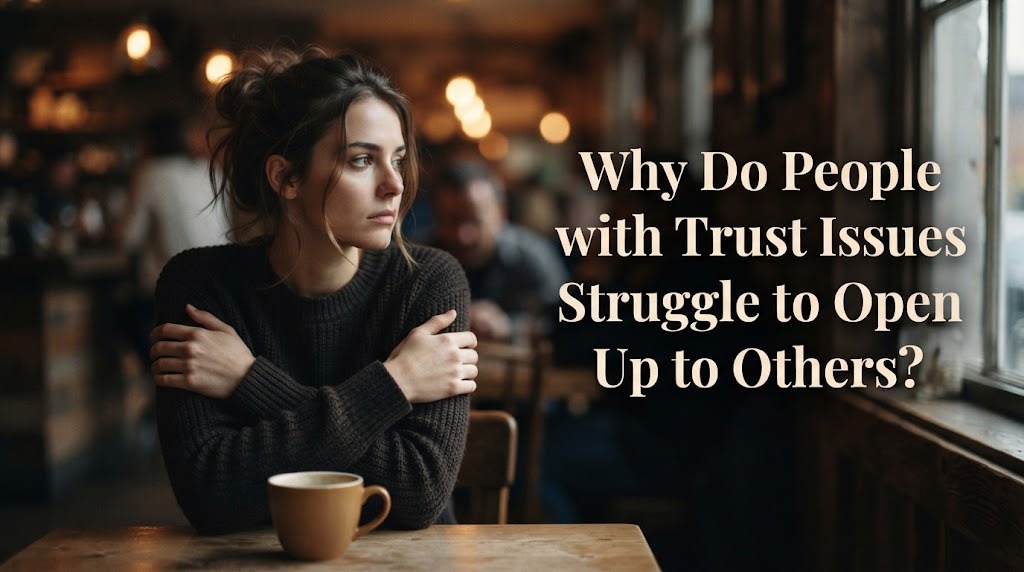
Opening up to other people requires trust, emotional safety, and vulnerability. However, people with trust issues may find it difficult to share their thoughts, feelings, personal experiences, or concerns because they fear being judged, rejected, betrayed, or hurt. Even when someone appears kind and trustworthy, past experiences can make emotional openness feel risky.
This difficulty does not always mean that a person does not want meaningful relationships. In many cases, they may actually want emotional closeness but feel afraid of what could happen if they become vulnerable. Understanding the connection between trust issues and difficulty opening up can help people recognize their emotional patterns and build healthier relationships.
PAST BETRAYAL CAN MAKE OPENING UP FEEL UNSAFE
Past betrayal is one reason someone may become uncomfortable sharing personal information with others. Being lied to, cheated on, rejected, manipulated, or having a private secret exposed can create the belief that vulnerability may eventually lead to pain. The person may remember the previous experience whenever they consider trusting someone new.
As a result, they may become more careful about what they share and with whom they share it. Even a supportive person may have difficulty gaining their trust because past betrayal can influence present behavior. The person may need repeated positive experiences before they feel safe enough to open up again.
FEAR OF JUDGMENT CAN PREVENT HONEST EXPRESSION
Some people with trust issues worry that others will judge their feelings, choices, weaknesses, or personal experiences. They may think that showing their true emotions will make them appear weak or cause others to view them differently. This fear can encourage them to hide what they are actually experiencing.
Instead of saying what they feel, they may respond with short answers or pretend that everything is fine. Over time, fear of judgment can create emotional distance between people. Learning that healthy relationships can include acceptance and respectful communication may gradually make honest expression easier.
FEAR OF BEING HURT AGAIN CREATES EMOTIONAL DISTANCE
A strong fear of being hurt can make emotional distance feel safer. Someone may believe that the less they reveal, the fewer opportunities another person has to disappoint or betray them. This can become a protective strategy after experiencing painful relationships.
However, emotional distance can also make it difficult to build meaningful connections. The person may want friendship, love, or support but struggle to allow others to get close. In this way, self protection can unintentionally prevent emotional intimacy.
LOW SELF CONFIDENCE CAN MAKE VULNERABILITY DIFFICULT
Trust issues can sometimes be connected to low self confidence and insecurity. A person may worry that their feelings are not important or that other people will not accept them. They may also believe that showing their weaknesses will cause others to lose respect or interest.
These thoughts can make sharing personal experiences feel uncomfortable. Instead of expressing their needs, the person may keep problems to themselves. Developing self awareness and self confidence can help someone understand that vulnerability does not automatically make them less valuable or less worthy of healthy relationships.
OVERTHINKING CAN MAKE COMMUNICATION HARDER
People with trust issues may spend a lot of time thinking about how others could react to what they say. Before sharing something personal, they might imagine different negative responses or question whether the other person can truly be trusted. This can cause them to remain silent even when communication would be helpful.
Overthinking can also make simple conversations feel complicated. A person may analyze a message, facial expression, or tone and wonder whether the other person is being genuine. Learning to separate facts from assumptions can help reduce unnecessary worry and make communication feel more natural.
TRUST MUST BE BUILT GRADUALLY
People with trust issues may need more time before they feel comfortable opening up. Expecting immediate emotional openness can create additional pressure and make the person withdraw further. Instead, trust can develop through consistent behavior, honesty, respect, and reliability.
Small positive experiences can gradually create a stronger sense of emotional safety. When someone repeatedly keeps promises, respects boundaries, listens without judgment, and communicates honestly, it may become easier to share more personal information. Consistent actions are often more meaningful than promises when building trust.
HEALTHY COMMUNICATION CAN ENCOURAGE OPENNESS
A supportive environment can make it easier for someone with trust issues to become vulnerable. Listening carefully, avoiding unnecessary judgment, respecting privacy, and allowing someone to express feelings at their own pace can help create emotional security. Trust becomes easier when a person feels that their feelings will be taken seriously.
At the same time, the person with trust issues can gradually practice expressing their needs and concerns. They do not need to reveal everything immediately. Starting with small and comfortable conversations can help create positive experiences and show that opening up does not always lead to rejection or betrayal.
CONCLUSION
People with trust issues may struggle to open up because of past betrayal, fear of judgment, fear of being hurt, insecurity, overthinking, and difficulty feeling emotionally safe. These experiences can make vulnerability feel dangerous, even when another person has good intentions.
Opening up does not have to happen immediately. Through consistent trust-building, healthy communication, self confidence, respectful boundaries, and positive relationship experiences, someone can gradually become more comfortable sharing their thoughts and feelings. The goal is not to trust everyone without caution, but to develop a healthier ability to recognize when it is safe to become vulnerable.
Tentang Penulis
Gusti Ayu Tita P
Penulis — Universitas STEKOM
Penulis aktif yang berfokus pada isu-isu akademik, teknologi pendidikan, dan pengembangan sumber daya manusia di lingkungan kampus.