Why Do Workaholics Often Ignore Their Need for Rest?
Gusti Ayu Tita P
24 September 2026
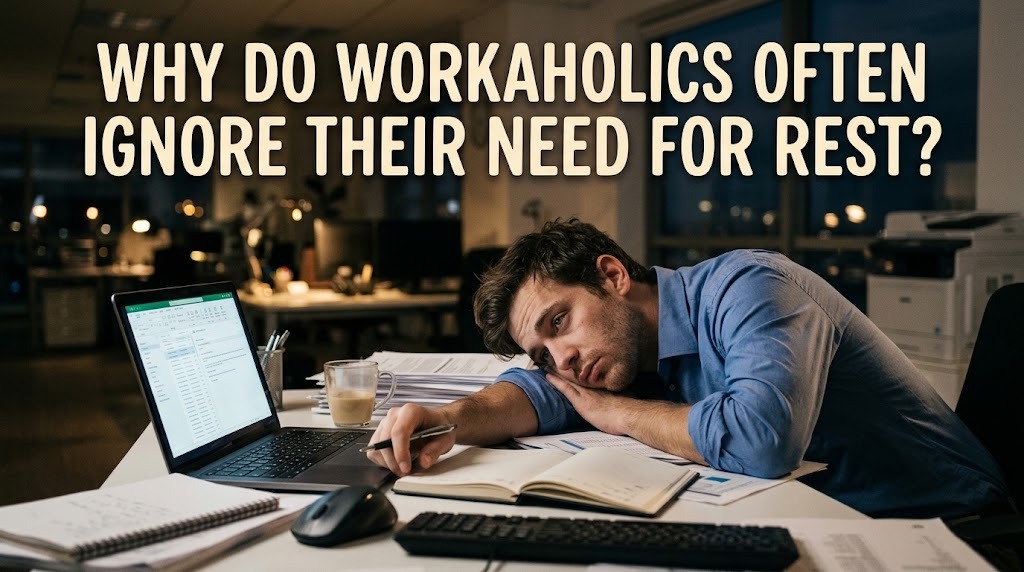
Rest is an important part of maintaining energy, concentration, and overall well-being. However, people with workaholic habits may find it difficult to recognize or accept their need for rest. They may believe that continuing to work is more important than taking a break, even when they are already tired. Difficulty stopping work can gradually create an unhealthy routine. Understanding why workaholics ignore rest can help people develop better boundaries between work and personal life.
FEELING THAT REST IS UNPRODUCTIVE
One reason workaholics avoid rest is the belief that every available moment should be used productively. They may see breaks as wasted time because no work is being completed during those moments. This mindset can make a person feel uncomfortable when they are relaxing or doing activities unrelated to work. As a result, they may return to work even when there is no urgent task.
In reality, rest supports productivity by giving the mind and body time to recover. Continuous work without sufficient breaks can make concentration more difficult and increase fatigue. A short period of recovery can help people return to tasks with better focus. Therefore, rest should be viewed as part of a healthy working routine rather than an obstacle to productivity.
FEAR OF FALLING BEHIND
Some workaholics may worry that taking a break will cause them to fall behind. They may imagine that colleagues will complete more tasks or that important opportunities will be missed while they are resting. This fear can encourage them to remain available even outside normal working hours. Fear of falling behind can therefore make it difficult to disconnect from work.
This concern may become stronger in competitive work environments. When people constantly compare their performance with others, they may feel pressure to work longer. However, working continuously does not guarantee better results. Setting realistic priorities and accepting that not every task must be completed immediately can help reduce this pressure.
GUILT WHEN TAKING TIME OFF
Another reason is the feeling of guilt associated with taking a break. A person may feel that they should be working whenever they have free time. Even during weekends or holidays, they may think about unfinished responsibilities instead of enjoying their personal activities. Guilt about resting can make normal recovery feel unnecessary.
This feeling may come from personal beliefs about responsibility or from workplace expectations. If someone has become accustomed to being constantly available, taking time away from work may initially feel uncomfortable. Recognizing that rest is a legitimate personal need can help change this mindset. Healthy routines require both periods of focused work and periods of recovery.
PERFECTIONISM AND HIGH STANDARDS
Perfectionism can also make it difficult for workaholics to stop working. Someone may continue checking a task repeatedly because they believe it can always be improved. Even when the work already meets reasonable standards, they may spend additional time trying to make it perfect. Unrealistic standards can therefore extend working hours unnecessarily.
Perfectionism may also create anxiety about making mistakes. A person may believe that taking a break before everything is perfect is irresponsible. Learning to distinguish between important improvements and unnecessary overworking can help create healthier habits. Setting clear definitions of what is good enough can also make it easier to finish tasks and rest.
DIFFICULTY DISCONNECTING FROM WORK
Technology has made it easier to stay connected to work at almost any time. Emails, messaging applications, and workplace notifications can reach people even when they are at home. Workaholics may feel the need to check these notifications immediately instead of allowing themselves uninterrupted personal time. Constant digital connection can make mental separation from work more difficult.
Creating boundaries around technology can help address this problem. For example, people can establish specific times when they stop checking work messages unless there is a genuine emergency. Turning off unnecessary notifications can also reduce interruptions during personal time. These simple boundaries can make it easier for the mind to transition from work mode to rest mode.
CONCLUSION
Workaholics may ignore their need for rest because they view breaks as unproductive, fear falling behind, feel guilty about taking time off, have perfectionist tendencies, or struggle to disconnect from digital work. These patterns can make rest feel less important than work, even though recovery is necessary for sustainable performance. Recognizing the difference between healthy dedication and excessive working can help people make better decisions about their time. Building clear boundaries and allowing regular recovery can support a healthier relationship with work. Rest is not a sign of laziness but an important part of maintaining energy and well-being.
Tentang Penulis
Gusti Ayu Tita P
Penulis — Universitas STEKOM
Penulis aktif yang berfokus pada isu-isu akademik, teknologi pendidikan, dan pengembangan sumber daya manusia di lingkungan kampus.