Why Does a New SAR Team Need Intensive Rescue Training?
Gusti Ayu Tita P
29 September 2026
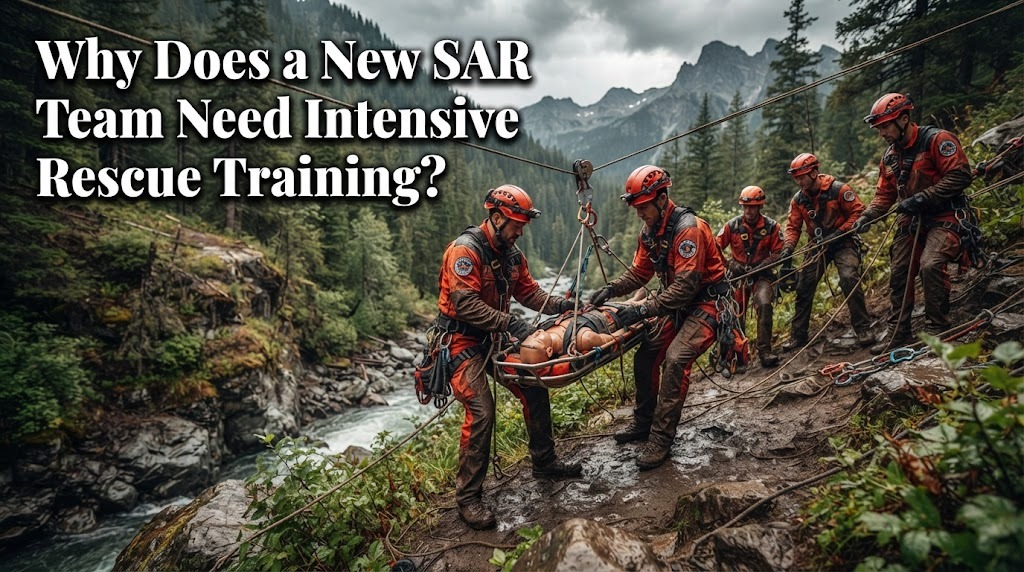
A new SAR team needs intensive rescue training because search and rescue operations can involve dangerous environments, unpredictable conditions, and people who need immediate assistance. Rescuers may have to work in forests, mountains, rivers, disaster areas, or damaged buildings depending on the mission. Without proper preparation, even simple tasks can become difficult or unsafe. INSARAG identifies training, exercises, preparedness, safety, and lessons learned as important elements in developing effective USAR capabilities.
Intensive training does not mean simply repeating physical exercises. A new team needs to develop technical skills, teamwork, communication, decision-making, risk awareness, and equipment knowledge through structured practice. INSARAG also maintains training standards and identifies training gaps within the USAR community. With consistent preparation, new rescuers can become more familiar with their responsibilities before facing real emergency situations.
BUILDING BASIC RESCUE SKILLS
The first reason a new SAR team needs intensive training is to develop basic rescue abilities. Members may need to learn search techniques, first aid, patient handling, navigation, communication, and safe movement in difficult environments. INSARAG community responder training includes subjects such as information gathering, coordination and planning, search, rescue methodology, basic first aid, and patient handling. These skills provide a practical foundation for people entering the rescue field.
Learning these abilities requires repeated practice rather than only classroom instruction. A rescuer needs to understand not only what to do, but also how to apply the procedure under pressure. Practical rescue training can help members become more familiar with equipment, roles, and field conditions. Training should also match the types of incidents the team is expected to handle.
PREPARING FOR DANGEROUS CONDITIONS
SAR work can expose rescuers to hazards such as unstable structures, difficult terrain, water, extreme weather, falling objects, and other environmental dangers. INSARAG notes that USAR operations can take place in dangerous and hazardous environments and emphasizes the responsibility of teams and individual members for safety and security. A new team therefore needs training that teaches members how to recognize and respond to operational risks.
Safety training should become part of everyday rescue practice rather than being treated as a separate topic. Members need to learn how to use appropriate protective equipment, identify hazards, communicate unsafe conditions, and follow established safety procedures. They should also understand when a task requires additional resources or specialized support. This preparation helps the team work within its capabilities while reducing avoidable risks.
IMPROVING TEAMWORK AND COMMUNICATION
Rescue missions rarely depend on one person working alone. A SAR team must coordinate different responsibilities, share information, and follow a common operational plan. INSARAG's methodology emphasizes coordination between USAR teams throughout the preparedness, mobilization, operations, demobilization, and post-mission phases. Intensive exercises give new members opportunities to practice these coordination skills before an actual emergency.
Clear communication is especially important when team members work in different locations. Members should practice reporting their positions, describing hazards, sharing victim information, and receiving instructions correctly. Team communication can be tested through realistic simulations that introduce changing conditions or unexpected problems. These exercises help members understand how individual actions affect the wider rescue operation.
DEVELOPING DECISION MAKING UNDER PRESSURE
Emergency situations can change quickly, so new rescuers need to practice making decisions while following established procedures. Intensive training can introduce realistic scenarios where information is incomplete, access is difficult, or conditions suddenly change. Members learn to assess available information and communicate important developments to team leaders. Structured decision-making can help prevent impulsive actions during stressful situations.
Training should also teach rescuers to recognize the limits of their knowledge and authority. A new member does not need to solve every problem independently. Requesting additional assistance when a situation exceeds the team's capabilities is part of responsible rescue work. INSARAG's first responder training includes assessing the incident, providing initial rescue and casualty care, communicating information to decision-makers, and requesting appropriate resources.
MASTERING RESCUE EQUIPMENT
Equipment can only be useful when rescuers know how to operate it correctly. Depending on the team's mission, members may use ropes, stretchers, communication devices, navigation tools, medical supplies, protective equipment, or specialized rescue tools. Intensive training provides opportunities to learn how equipment works and how it should be inspected, carried, and maintained.
Technical equipment requires particular attention because incorrect use can create serious risks. New members should receive appropriate instruction and supervised practice before performing specialized rescue tasks. INSARAG notes that rescue team capabilities can vary according to training, personnel, and availability of specialized tools and equipment. Matching equipment use with actual training is therefore an important part of safe preparation.
TESTING SKILLS THROUGH SIMULATIONS
Classroom learning cannot fully reproduce the pressure and uncertainty of a real rescue operation. Simulation exercises allow a new SAR team to practice searches, communication, evacuation, equipment use, and coordination in controlled conditions. INSARAG's preparedness guidance specifically identifies training and exercises as activities that teams should conduct between disaster responses.
A good exercise should also be followed by an evaluation. Team members can discuss what worked, what caused delays, and which procedures need to be improved. This process creates lessons learned that can be used to update future training and standard operating procedures. Continuous improvement is an important part of keeping a rescue team prepared over time.
BUILDING PHYSICAL AND MENTAL READINESS
SAR operations may require rescuers to walk long distances, carry equipment, climb, work in difficult terrain, or remain active for extended periods. Intensive training can help members build the physical abilities required for their specific roles. INSARAG guidance also includes physical ability and appropriate preparation among considerations for USAR team safety. Physical readiness should be developed gradually and according to operational requirements.
Mental readiness is also important because emergency scenes can be stressful and unpredictable. Training scenarios can help members become familiar with pressure while keeping the focus on procedures and teamwork. Calm communication and disciplined actions can support better coordination during demanding missions. Training should prepare members to recognize stress and maintain safe working practices without replacing appropriate professional support when needed.
CONCLUSION
A new SAR team needs intensive rescue training because effective search and rescue depends on more than having motivated personnel. Members need rescue skills, safety awareness, communication, teamwork, decision-making, equipment knowledge, and physical readiness before taking on demanding operations. Regular simulations allow the team to practice these abilities and identify areas that still require improvement.
Training should continue even after a team gains operational experience. Exercises, evaluations, lessons learned, and updated procedures help maintain readiness and strengthen future performance. By developing skills systematically and practicing within established safety standards, a new SAR team can build a stronger foundation for responding to emergencies and supporting victims.
Tentang Penulis
Gusti Ayu Tita P
Penulis — Universitas STEKOM
Penulis aktif yang berfokus pada isu-isu akademik, teknologi pendidikan, dan pengembangan sumber daya manusia di lingkungan kampus.