
Why Is an Emergency Fund Essential for Financial Security?
Gusti Ayu Tita P
26 September 2026
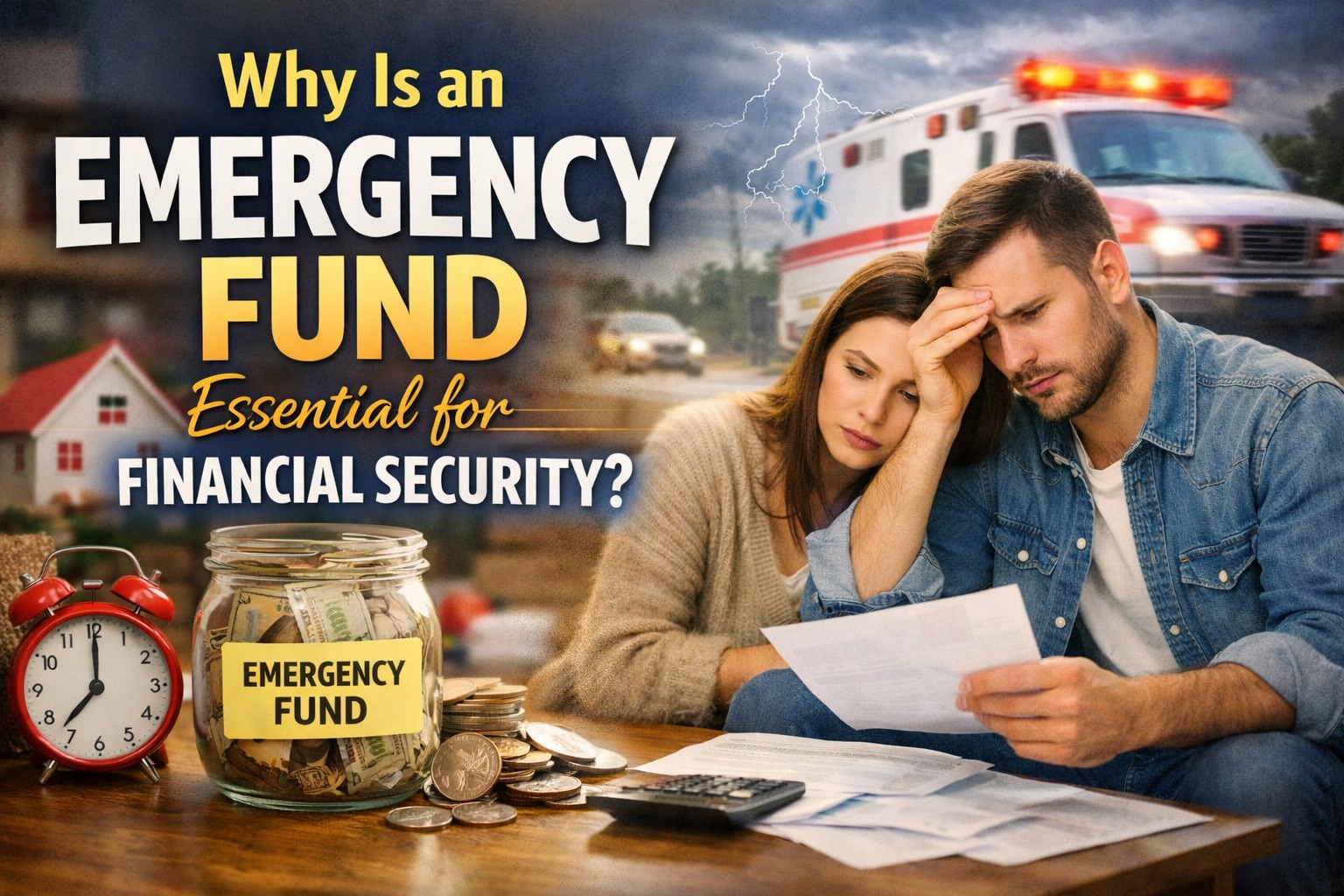
Managing money wisely is not only about earning more income but also about being prepared for unexpected situations. Life can change quickly due to medical emergencies, job loss, home repairs, or other urgent expenses. Without enough savings, many people rely on loans or credit cards, which may create long-term financial problems.
An emergency fund is one of the most effective tools for protecting your financial future. It provides a safety net during difficult times, reduces stress, and helps you maintain financial stability without sacrificing your long-term goals. Understanding why an emergency fund matters is the first step toward building lasting financial security.
WHAT IS AN EMERGENCY FUND?
An emergency fund is money set aside specifically for unexpected expenses that require immediate attention. Unlike regular savings for vacations or shopping, this fund is reserved only for genuine emergencies such as unexpected medical bills, car repairs, or temporary unemployment. Having this financial reserve prevents you from disrupting your monthly budget whenever an emergency occurs.
Building an emergency fund takes consistency rather than a large income. Even small monthly contributions can gradually grow into meaningful savings over time. The main purpose is to ensure that unexpected situations do not become financial disasters.
HOW AN EMERGENCY FUND PROTECTS YOUR FINANCIAL STABILITY?
One of the greatest benefits of an emergency fund is protecting your financial stability during uncertain times. If you suddenly lose your job or experience a reduction in income, your savings can cover essential expenses such as rent, food, utilities, and transportation. This allows you to focus on finding new opportunities without making rushed financial decisions.
Financial emergencies often happen without warning, making preparation extremely important. With enough emergency savings, you are less likely to rely on expensive borrowing options that increase financial pressure. As a result, you can recover from setbacks more quickly while keeping your long-term financial plans on track.
REDUCING DEBT AND FINANCIAL STRESS
Unexpected expenses frequently force people to use credit cards or personal loans. While borrowing may solve immediate problems, it often leads to interest payments that become difficult to manage. An emergency fund helps eliminate the need for unnecessary debt by providing readily available cash.
Beyond financial benefits, emergency savings also improve emotional well-being. Knowing you have money available for unexpected situations reduces anxiety and creates greater confidence when facing life's uncertainties. This sense of security supports better financial decision-making in the future.
HOW MUCH SHOULD YOU SAVE?
Financial experts commonly recommend saving three to six months of essential living expenses. However, the ideal amount depends on your income stability, family responsibilities, health condition, and employment situation. Freelancers or business owners may benefit from saving even more because their income can fluctuate.
The most important step is simply getting started. Instead of waiting until you can save a large amount, begin with a realistic monthly target. Consistent saving habits are more valuable than making occasional large deposits.
PRACTICAL TIPS TO BUILD AN EMERGENCY FUND
Start by creating a monthly budget that identifies areas where spending can be reduced. Redirect those savings into a dedicated emergency account that is separate from your daily spending account. Automating transfers each payday makes saving easier and more consistent.
Avoid using the fund for non-essential purchases, even if the temptation is strong. Review your savings progress regularly and increase your contributions whenever your income grows. Over time, these disciplined habits will strengthen your financial resilience and prepare you for unexpected challenges.
CONCLUSION
An emergency fund is a fundamental part of long-term financial security. It protects you from unexpected expenses, reduces dependence on debt, and provides peace of mind during uncertain situations. Building this fund may require patience, but every contribution brings you closer to greater financial confidence.
By starting today and saving consistently, anyone can develop a stronger financial foundation. An emergency fund is not simply money kept aside—it is an investment in your stability, independence, and future well-being.
Tentang Penulis
Gusti Ayu Tita P
Penulis — Universitas STEKOM
Penulis aktif yang berfokus pada isu-isu akademik, teknologi pendidikan, dan pengembangan sumber daya manusia di lingkungan kampus.