Why Is FIVB Important For The Development Of Global Volleyball?
Gusti Ayu Tita P
29 September 2026
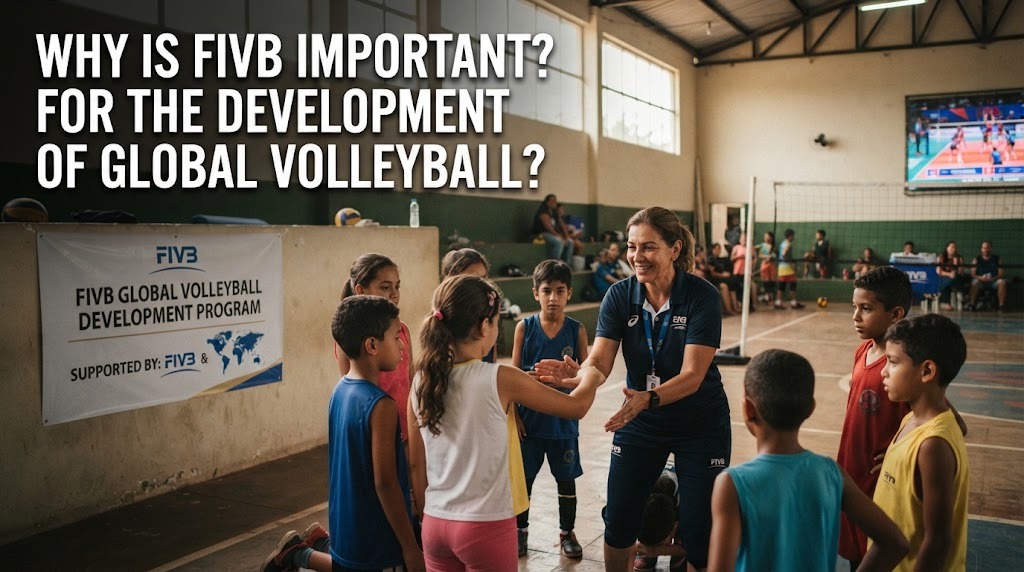
The FIVB, or Fédération Internationale de Volleyball, is the global governing body responsible for volleyball and its development. Founded in 1947, the organization works with national federations and other members of the volleyball community to promote and develop the sport worldwide. Today, the FIVB's structure connects 222 national federations across the global volleyball community. (FIVB)
The importance of the FIVB can be seen in many areas, from international rules and competitions to athlete development and support for national federations. Its work helps create a common system that allows volleyball to grow across different countries and regions.
PROVIDING A GLOBAL VOLLEYBALL STRUCTURE
One major reason the FIVB is important is that it provides a global structure for volleyball. The organization works with national federations and five continental confederations to coordinate the sport internationally. This structure allows volleyball organizations from different regions to work within a connected international system. The FIVB also has responsibility for governing different forms of volleyball at both professional and amateur levels. (FIVB)
The FIVB's structure includes the World Congress, Board of Administration, Executive Committee, commissions, committees, and councils. These bodies have different responsibilities in managing and developing international volleyball. Such an organizational structure helps coordinate decisions and programs across the global volleyball community. (FIVB)
ESTABLISHING COMMON VOLLEYBALL RULES
The FIVB is important because it establishes and modifies the Official Volleyball Rules used in international volleyball. Common rules allow teams from different countries to compete under the same basic standards. They also give referees and other officials a consistent framework for managing matches. Without common international rules, competitions involving teams from different countries could be more difficult to coordinate. (FIVB)
The FIVB also establishes official standards for volleyball equipment and facilities. These standards help create consistent technical conditions in major competitions. As volleyball continues to develop, the organization can review and update its regulations to respond to changes in the sport.
DEVELOPING NATIONAL TEAMS AND ATHLETES
The FIVB also contributes to global volleyball by supporting national teams and athletes. One of its major development initiatives is Volleyball Empowerment, which provides resources and expertise to national federations. The program aims to help athletes and national teams reach their potential and prepare for major international competitions. (FIVB)
Support can include coaching, volleyball equipment, and knowledge transfer. In 2025, the program approved 341 projects across 107 national federations, focusing on these three areas. This type of support can help federations strengthen their training systems and improve opportunities for athletes. (FIVB)
SUPPORTING VOLLEYBALL DEVELOPMENT IN DIFFERENT COUNTRIES
Global volleyball development requires more than major international tournaments. Some national federations have greater access to coaches, equipment, facilities, and technical expertise than others. The FIVB therefore provides development programs designed to help national federations strengthen their volleyball systems. This approach allows development efforts to reach different parts of the world. (FIVB)
The FIVB's current development information reports that Volleyball Empowerment has invested more than USD 50 million across more than 1,450 projects in 205 national federations. The program supports the development of volleyball and beach volleyball programs through dedicated resources and strategic assistance. These projects can contribute to stronger national programs and broader participation in the sport. (FIVB)
ORGANIZING INTERNATIONAL COMPETITIONS
Another important contribution of the FIVB is its role in international competitions. The organization regulates and manages major volleyball events, creating opportunities for national teams and professional clubs to compete internationally. Major competitions also give athletes opportunities to gain experience against teams from different countries. (FIVB)
International competitions can also increase public interest in volleyball. Major events provide opportunities for fans to watch elite athletes and for national federations to promote the sport in their countries. The FIVB's competition structure therefore connects athlete development, international competition, and global exposure.
HELPING YOUNG PLAYERS DEVELOP
The development of volleyball also depends on creating opportunities for young athletes. FIVB competitions for younger age groups provide players with international experience before they reach the senior level. These events can help young athletes understand international competition and gain experience against players from different volleyball systems.
The FIVB's development programs also focus on building stronger pathways for athletes and national teams. Its Volleyball Empowerment program specifically aims to improve technical levels and help national teams prepare for major events such as the World Championships and Olympic Games. (FIVB)
STRENGTHENING COACHES AND TECHNICAL EXPERTISE
Players need qualified coaches and technical staff to develop their skills effectively. The FIVB therefore supports coach development and knowledge transfer as part of its development programs. This can help national federations improve training methods and build stronger technical structures. (FIVB)
The FIVB also reports that its coaches courses train more than 1.15 million athletes through FIVB coaches of all levels every five years. This shows how coaching education can extend beyond elite international teams and contribute to volleyball development more broadly. (FIVB)
CONNECTING VOLLEYBALL AROUND THE WORLD
The FIVB is also important because it connects national federations, continental confederations, athletes, coaches, officials, and other members of the volleyball community. Its network covers regions across Asia, Africa, Europe, South America, and North and Central America and the Caribbean. This creates opportunities for cooperation between volleyball organizations in different parts of the world. (FIVB)
This international connection helps volleyball operate as a global sport rather than a collection of separate national competitions. National federations can participate in international programs while continental confederations help coordinate volleyball within their regions. Together, these relationships support the continued development of the sport.
CONTRIBUTING TO THE OLYMPIC MOVEMENT
The FIVB is also part of the Olympic Movement and contributes to the organization and development of Olympic volleyball. The federation establishes the competition and qualification system for volleyball within the Olympic Games. This gives national teams a structured pathway toward one of the most important international sporting events. (FIVB)
Volleyball's Olympic presence also provides opportunities to introduce the sport to audiences around the world. The FIVB has highlighted major milestones such as volleyball joining the Olympic program at Tokyo 1964. This connection between volleyball and the Olympic Games has contributed to the sport's international profile. (FIVB)
CONCLUSION
The FIVB is important for global volleyball because it provides a common international structure, official rules, competitions, development programs, and support for national federations. Its work covers many areas, including athletes, coaches, referees, equipment, competitions, and international administration. (FIVB)
Through initiatives such as Volleyball Empowerment, the FIVB also provides practical support for national federations around the world. By connecting volleyball organizations and supporting the development of athletes and technical staff, the FIVB contributes to the continued growth of volleyball as a global sport. (FIVB)
Tentang Penulis
Gusti Ayu Tita P
Penulis — Universitas STEKOM
Penulis aktif yang berfokus pada isu-isu akademik, teknologi pendidikan, dan pengembangan sumber daya manusia di lingkungan kampus.