Why Should Companies Appreciate the Experience of Senior Employees?
Gusti Ayu Tita P
25 September 2026
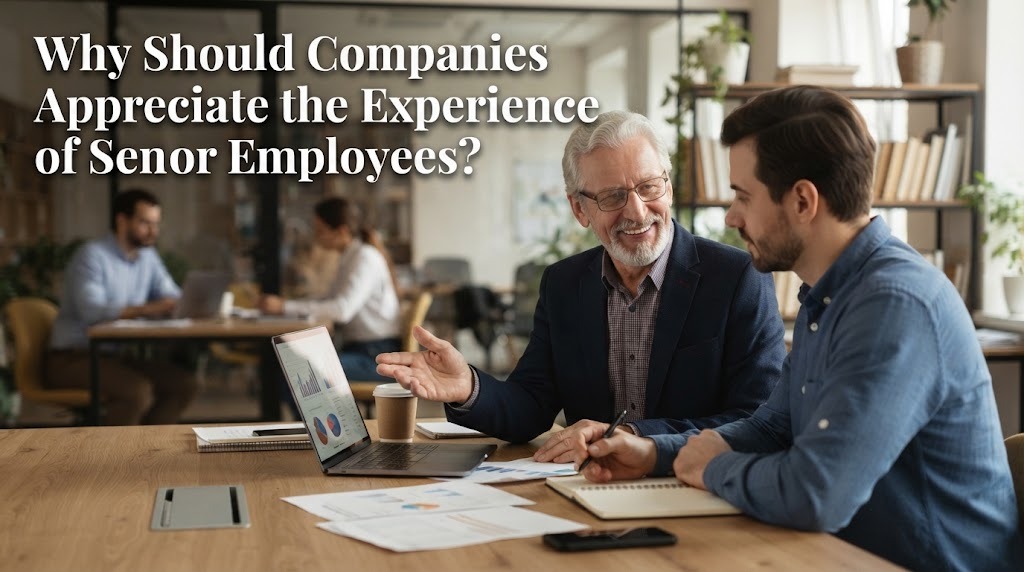
Senior employees bring years of professional experience that can provide significant value to a company. They often understand workplace processes, customer needs, industry changes, and organizational culture from direct experience. Although modern businesses continue to adopt new technologies and working methods, professional experience remains an important company resource. Appreciating senior employees can also encourage knowledge sharing, stronger teamwork, and better cooperation between different generations.
PRESERVE VALUABLE ORGANIZATIONAL KNOWLEDGE
Senior employees often possess knowledge that cannot be learned quickly from textbooks or short training programs. Through years of work, they may understand company procedures, customer expectations, common problems, and lessons from previous projects. This organizational knowledge can help newer employees understand how the company operates in real situations. Appreciating experienced workers can therefore help companies protect important knowledge.
Companies can preserve this knowledge through mentoring, documentation, training sessions, and collaborative projects. Senior employees can explain the reasons behind certain procedures and share lessons from previous experiences. Knowledge transfer can prevent useful information from disappearing when experienced workers change roles or leave the organization. This creates greater continuity and helps younger employees learn more effectively.
SUPPORT BETTER PROBLEM SOLVING
Experience can be especially valuable when companies face complex or unexpected problems. Senior employees may have encountered similar situations during their careers and can provide useful context when evaluating possible solutions. Their experience does not automatically provide the answer, but it can help teams identify risks and consider practical alternatives. Problem-solving experience is therefore one of the important contributions senior workers can make.
Experienced employees can also combine their knowledge with current data and modern technology. This allows them to approach problems using both established understanding and new information. Companies can benefit when experience and innovation are used together rather than treated as competing approaches. Appreciating senior employees can encourage them to continue contributing their knowledge to important workplace decisions.
STRENGTHEN MENTORING AND EMPLOYEE DEVELOPMENT
Senior employees can play an important role in developing younger workers. Their experience allows them to provide practical guidance about workplace communication, teamwork, professional responsibility, and career development. Younger employees can learn from real examples that may not be covered in formal education. This can help them understand professional expectations more quickly.
Mentoring also benefits the senior employee because explaining professional knowledge can strengthen communication and leadership abilities. Companies can create formal or informal mentoring programs that connect experienced workers with newer employees. Intergenerational learning allows knowledge to move in both directions. Younger workers can share new digital skills while senior employees provide practical experience and organizational insight.
IMPROVE WORKPLACE STABILITY
Senior employees can contribute to stability because they are often familiar with company processes and organizational culture. During periods of restructuring, growth, or technological change, their understanding of existing systems can help teams maintain continuity. They may also help newer employees understand how different departments and processes are connected. Workplace stability can be particularly useful when a company is going through significant changes.
This does not mean that companies should avoid changing established practices. Instead, senior employees can help organizations understand which existing practices are useful and which areas may need improvement. Their experience can provide valuable context during transitions. When companies respect this contribution, organizational change can be approached with greater understanding of past experience and current needs.
RECOGNIZE LONG-TERM PROFESSIONAL CONTRIBUTIONS
Appreciating senior employees also means recognizing the contributions they have made over many years. Employees who have spent significant time developing their skills and supporting an organization may have contributed to projects, relationships, and processes that continue to benefit the company. Recognition can show that these contributions are valued. Employee appreciation can also support a stronger sense of belonging.
Recognition does not always have to involve financial rewards or promotions. Companies can acknowledge senior employees through leadership opportunities, mentoring roles, professional development, awards, or meaningful responsibilities. The most appropriate form of recognition can depend on the employee and organizational context. Consistent appreciation can help create a workplace culture where experience and dedication are respected.
ENCOURAGE COLLABORATION BETWEEN GENERATIONS
A company can benefit from having employees with different levels of experience and different perspectives. Senior employees can contribute industry knowledge and practical judgment, while younger workers may bring fresh ideas and familiarity with emerging technologies. Intergenerational collaboration allows these strengths to complement one another. Appreciating senior employees can help create an environment where their experience is shared rather than isolated.
Companies can encourage collaboration through mixed-generation teams, mentoring programs, knowledge-sharing sessions, and collaborative projects. Senior employees should also have opportunities to learn from younger colleagues. This creates a two-way learning process instead of a relationship where only one generation provides knowledge. When employees respect each other's contributions, teamwork can become stronger and more productive.
PREPARE THE COMPANY FOR THE FUTURE
Appreciating senior employees is not only about recognizing the past. Their experience can also contribute to the company's future development. Senior workers may understand long-term customer relationships, industry patterns, business risks, and previous organizational changes. This knowledge can provide useful context when companies plan future strategies. Experienced employees can therefore contribute to long-term organizational development.
Companies should combine this experience with innovation, technology, and new ideas from younger workers. Creating opportunities for senior employees to participate in training, mentoring, strategic discussions, and new projects can keep their knowledge connected to future business needs. This approach supports continuous learning and knowledge sharing across the organization. As a result, experience can become a foundation for future growth rather than simply a record of past achievements.
CONCLUSION
Companies should appreciate the experience of senior employees because they provide organizational knowledge, professional experience, problem-solving skills, mentoring, and workplace stability. Their contribution can help younger workers develop while preserving valuable knowledge within the organization. At the same time, senior employees can continue learning from younger colleagues and adapting to new technologies.
True appreciation goes beyond simply recognizing years of service. Companies can create meaningful opportunities for knowledge transfer, intergenerational collaboration, continuous learning, and professional development. By combining experience with fresh ideas and modern skills, organizations can build a stronger workforce and prepare more effectively for future challenges.
Tentang Penulis
Gusti Ayu Tita P
Penulis — Universitas STEKOM
Penulis aktif yang berfokus pada isu-isu akademik, teknologi pendidikan, dan pengembangan sumber daya manusia di lingkungan kampus.