
Why Should Mountain Kids Understand Hiking Ethics?
Gusti Ayu Tita P
22 September 2026
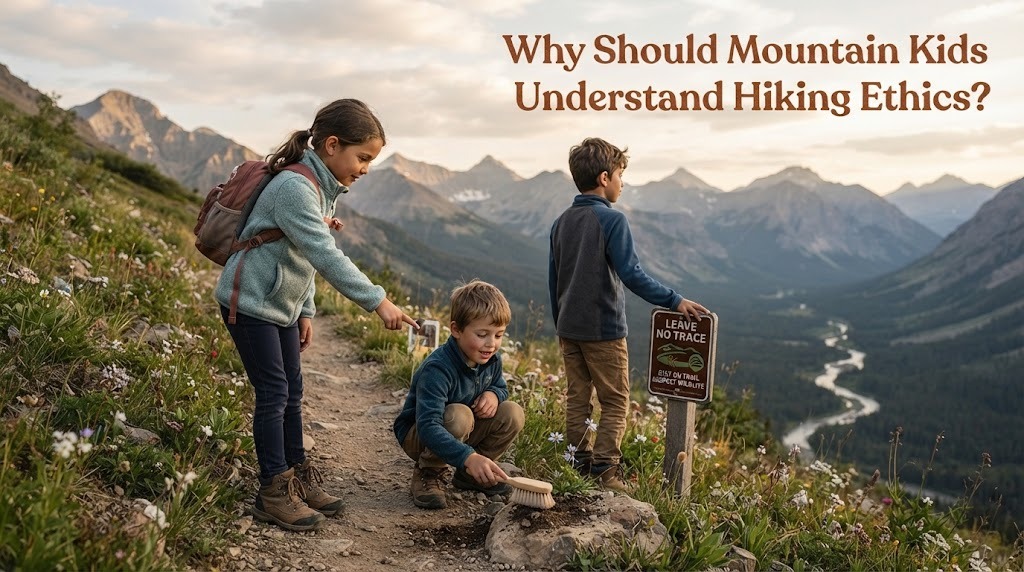
Hiking is not only about enjoying beautiful views and reaching the top. Mountain kids also need to understand hiking ethics so they can enjoy nature without disturbing other people or damaging the environment. Good hiking behavior helps create a safer, cleaner, and more comfortable experience for everyone. By following simple ethical principles, hikers can show respect for nature, local communities, and fellow hikers.
RESPECTING THE NATURAL ENVIRONMENT
Understanding hiking ethics teaches mountain kids to respect nature. Hikers should avoid damaging plants, disturbing wildlife, or removing natural objects from their original locations. They should also stay on appropriate trails to reduce damage to vegetation and soil. These simple actions help keep natural areas healthy for future visitors.
Nature can be easily affected by careless human activities. Throwing rubbish, making unnecessary noise, or leaving marked paths can cause environmental problems over time. Mountain kids should understand that beautiful natural areas are shared spaces that need protection. Taking care of the environment is therefore an important part of responsible hiking.
KEEPING HIKING AREAS CLEAN
One basic hiking ethic is to take all waste home or place it in designated bins when available. Hikers should prepare bags for their rubbish before starting the journey. Food packaging, tissues, bottles, and other waste should never be left along the trail. Keeping the trail clean makes the environment more pleasant and helps protect wildlife.
Mountain kids can also encourage friends to practice responsible waste management. Reducing disposable items can make it easier to carry rubbish back after the hike. Clean hiking areas are safer and more comfortable for everyone. A clean trail also shows respect for the people who maintain and visit the area.
RESPECTING OTHER HIKERS
Hiking ethics also involve showing respect for other hikers. People may visit the mountains for different reasons, such as exercise, exploration, photography, or enjoying peaceful surroundings. Hikers should avoid unnecessary loud noises and give others enough space when using narrow trails. Simple courtesy can make the experience more comfortable for everyone.
Mountain kids should also communicate politely when passing other hikers. They can follow local trail rules and avoid creating dangerous situations. Good manners on the trail help build a positive hiking culture. Respecting others is especially important in crowded areas or during busy hiking periods.
PROTECTING WILDLIFE
Mountains and forests are home to many types of wildlife. Mountain kids should understand that animals need space and protection from human disturbance. Hikers should not chase, touch, feed, or intentionally approach wild animals. Observing wildlife from a safe distance is a more responsible way to enjoy nature.
Feeding wild animals can change their natural behavior and may create risks for both animals and people. Hikers should also avoid leaving food waste where animals can access it. By following these habits, mountain kids can help protect natural wildlife behavior. Respecting animals is an important part of responsible outdoor recreation.
FOLLOWING LOCAL RULES
Different hiking areas may have their own rules and regulations. These rules can cover camping locations, fires, waste disposal, trail access, wildlife protection, and other safety matters. Mountain kids should learn the rules before visiting a particular area. Following them helps protect both visitors and the environment.
Rules are usually created to address specific conditions in a natural area. Ignoring them can increase risks or cause environmental damage. Therefore, responsible hikers should follow official instructions and local guidance. Understanding this principle helps mountain kids become more aware and respectful visitors.
AVOIDING UNNECESSARY NOISE
One reason people enjoy hiking is the chance to experience peaceful natural surroundings. Excessive noise can disturb other hikers and wildlife. Mountain kids should keep their voices at a reasonable level, especially in quiet areas. They should also avoid playing loud music that can affect people nearby.
Keeping noise under control does not mean hikers cannot talk or have fun. It simply means being considerate of the surrounding environment and other visitors. A quieter trail allows people to hear natural sounds and enjoy the atmosphere. This small habit can make hiking more enjoyable for everyone.
LEAVING NATURE AS IT IS
A good hiking ethic is to leave natural areas as close to their original condition as possible. Hikers should avoid picking flowers, breaking branches, carving trees, or moving rocks unnecessarily. Taking natural objects home can also reduce the character and value of a natural area. Photos are a better way to preserve memories without removing anything.
Mountain kids should remember that many other people may want to enjoy the same place in the future. Leave no unnecessary trace is a simple principle that encourages responsible behavior. By leaving nature as they found it, hikers help protect the experience for future visitors. This also demonstrates respect for the environment.
CONCLUSION
Mountain kids should understand hiking ethics because responsible behavior helps protect nature, respect other hikers, and maintain safe and clean trails. Good hiking ethics include managing waste, protecting wildlife, following local rules, controlling noise, and leaving natural areas undisturbed. These habits may seem simple, but they can make a significant difference when practiced by many people. By understanding and applying hiking ethics, mountain kids can enjoy nature while helping preserve it for future generations.
Tentang Penulis
Gusti Ayu Tita P
Penulis — Universitas STEKOM
Penulis aktif yang berfokus pada isu-isu akademik, teknologi pendidikan, dan pengembangan sumber daya manusia di lingkungan kampus.



