Why Should PPE Be Selected Based on Workplace Risks?
Gusti Ayu Tita P
29 September 2026
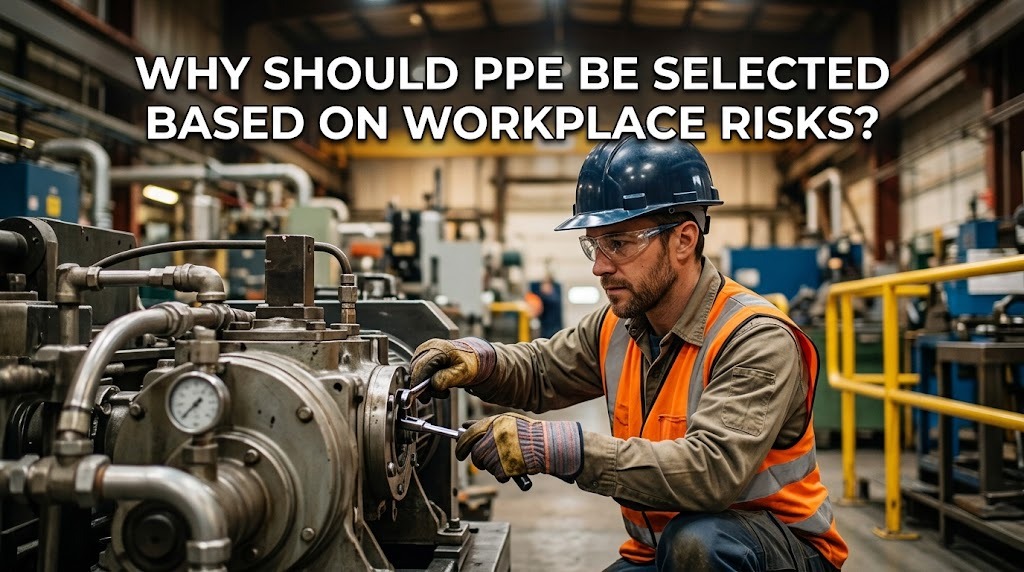
Personal Protective Equipment (PPE) is an important part of workplace safety, but not every type of PPE is suitable for every job. Workers face different hazards depending on their tasks, equipment, materials, and work environment. Therefore, PPE should be selected based on the specific risks present in the workplace. Choosing the right protection can help reduce the chance of injury and exposure to harmful hazards.
UNDERSTANDING WORKPLACE RISKS
Every workplace has different hazards that can affect workers. These hazards may include falling objects, sharp materials, chemicals, excessive noise, dust, heat, electrical energy, or flying particles. The level of risk can also vary depending on how often workers are exposed and how serious the possible consequences are. Identifying these hazards is an important step before selecting PPE.
A workplace risk assessment helps determine which hazards need to be controlled and what protection workers may need. Employers should consider the tasks performed, equipment used, materials handled, and conditions around the work area. The selected PPE should provide suitable protection without creating additional risks or making the job unnecessarily difficult. This approach helps ensure that PPE is used as part of a broader workplace safety system.
PPE SHOULD MATCH THE TYPE OF HAZARD
Different hazards require different types of PPE. For example, safety glasses can protect the eyes from flying particles, while chemical resistant gloves may be needed when workers handle certain hazardous substances. Workers exposed to high noise levels may require hearing protection, while workers at risk of head injuries may need appropriate safety helmets. Using PPE that does not match the hazard may provide insufficient protection.
The material and design of PPE are also important considerations. Gloves, footwear, respiratory protection, and protective clothing should be selected according to the specific exposure and working conditions. For example, a glove designed for mechanical protection may not provide adequate protection against a particular chemical. This is why PPE selection should always consider the nature of the hazard rather than simply choosing equipment based on appearance or convenience.
RISK ASSESSMENT HELPS DETERMINE THE RIGHT PPE
Before PPE is selected, employers should identify hazards and evaluate the risks associated with each task. This process can help determine whether workers may be exposed to physical, chemical, biological, electrical, or other workplace hazards. The assessment should also consider the duration and frequency of exposure. These factors help establish the level and type of protection required.
PPE should generally be considered after other methods of controlling hazards have been evaluated. Engineering controls, safe work procedures, and other preventive measures can reduce hazards at their source. PPE then provides an additional layer of protection when risks cannot be completely eliminated. Regular risk assessments are also important because workplace conditions and tasks can change over time.
COMFORT AND PROPER FIT ALSO MATTER
Effective PPE should not only provide protection but should also fit the worker properly. Equipment that is too loose, too tight, heavy, or uncomfortable may interfere with movement and concentration. Workers may also be less likely to use uncomfortable PPE consistently. Therefore, proper fit and comfort are important factors when selecting protective equipment.
Employers should make sure workers understand how to wear, adjust, and use their PPE correctly. Where appropriate, workers should have suitable options that accommodate different sizes and individual needs. PPE should also allow workers to perform their tasks safely without unnecessarily restricting visibility, movement, or communication. Proper training can help workers understand why the selected equipment is necessary.
REGULARLY CHECKING PPE IS ESSENTIAL
Selecting suitable PPE is only the beginning of effective protection. Workers should inspect their equipment before use and look for damage, wear, contamination, or other conditions that could reduce its protective function. Damaged PPE should not be relied upon for protection. Equipment should be cleaned, stored, maintained, and replaced according to appropriate instructions and workplace procedures.
Workplaces should also review PPE requirements when there are changes to equipment, materials, processes, or working conditions. A change in the work environment may introduce a new hazard or change the level of existing risk. Regular evaluation helps ensure that PPE remains suitable for the tasks being performed. This supports continuous improvement in occupational safety.
CONCLUSION
PPE should be selected based on workplace risks because different hazards require different forms and levels of protection. A proper risk assessment helps identify the hazards workers may face and determines the PPE that can provide appropriate protection. The equipment should also have a suitable fit, be comfortable enough for proper use, and be maintained regularly. By selecting PPE according to actual workplace conditions, organizations can provide an important additional layer of protection for workers and support a safer working environment.
Tentang Penulis
Gusti Ayu Tita P
Penulis — Universitas STEKOM
Penulis aktif yang berfokus pada isu-isu akademik, teknologi pendidikan, dan pengembangan sumber daya manusia di lingkungan kampus.