Why Should Senior Employees Continue Learning New Skills?
Gusti Ayu Tita P
26 September 2026
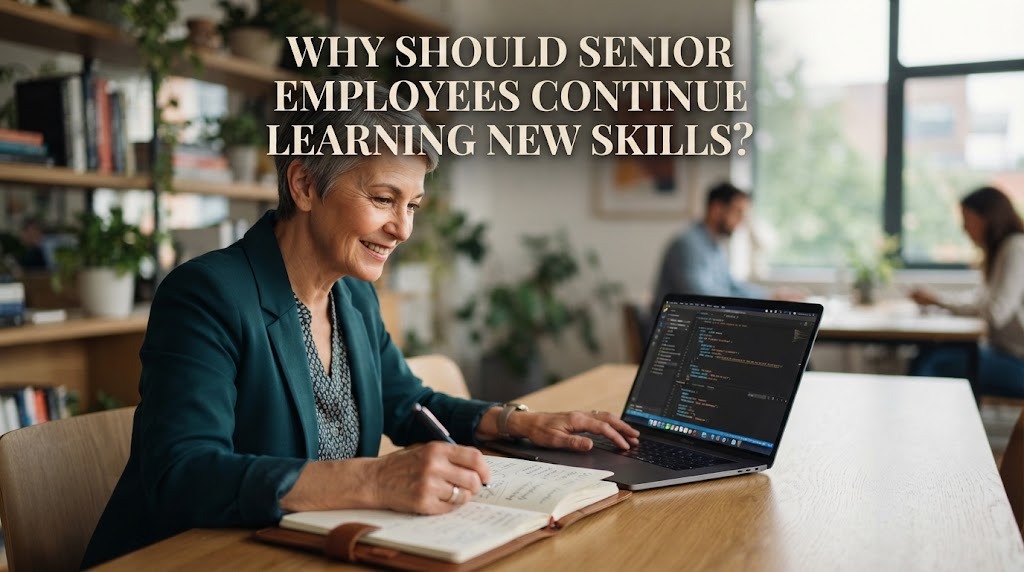
The workplace continues to change as technology, business practices, and professional expectations develop. For this reason, senior employees need to continue learning new skills even after gaining years of professional experience. Learning does not only belong to younger workers because every employee can benefit from updating their knowledge and abilities.
Continuous learning helps senior employees remain adaptable, productive, and confident in their roles. It can also help them understand new technologies, communicate with younger colleagues, and prepare for changes in their careers. By developing new skills, experienced workers can combine their existing knowledge with modern approaches to work.
ADAPT TO CHANGES IN THE WORKPLACE
One important reason senior employees should continue learning is to adapt to workplace changes. Companies may introduce new software, digital systems, business strategies, or working methods that were not common earlier in their careers. Learning these changes can help experienced employees continue performing their responsibilities effectively.
Adaptability is also important when companies change their organizational structures or customer needs. Employees who are willing to learn can adjust their methods instead of depending entirely on familiar routines. Workplace adaptability allows senior employees to remain useful and prepared as professional environments continue to evolve.
DEVELOP DIGITAL SKILLS
Technology has become an important part of many jobs, making digital skills increasingly valuable for employees at every career stage. Senior employees may need to learn new communication platforms, productivity software, data tools, or other technologies related to their responsibilities. Developing these skills can make daily tasks more efficient and reduce difficulties when companies adopt new systems.
Learning technology can also improve cooperation with younger colleagues who may already be familiar with certain digital tools. Senior employees can ask questions, participate in training, and practice using new systems in real work situations. This creates opportunities for digital learning while encouraging collaboration between employees with different experiences.
IMPROVE CAREER DEVELOPMENT
Continuing to learn can support career development for senior employees. Professional experience is valuable, but industries can change significantly over time, and some skills may become less relevant. Learning new abilities can help employees remain prepared for new responsibilities, projects, leadership roles, or changes within their organizations.
New skills can also increase professional confidence. When employees understand current practices and technologies, they may feel more prepared to contribute to discussions and take on unfamiliar tasks. Professional development therefore involves not only gaining experience but also keeping that experience relevant to current workplace needs.
SHARE KNOWLEDGE MORE EFFECTIVELY
Senior employees often have valuable knowledge that can benefit their colleagues. However, learning new skills can make it easier for them to combine their existing experience with modern workplace knowledge. This combination can improve the way they mentor and support younger employees.
For example, an experienced employee who learns a new project management system can explain both the technical process and the practical lessons gained from previous projects. This creates a stronger form of knowledge sharing because younger workers can learn modern methods while also gaining insights from real workplace experience.
STRENGTHEN PROBLEM SOLVING ABILITIES
Learning new skills can introduce senior employees to different approaches to problem solving. New knowledge may help them look at familiar challenges from another perspective and identify solutions that were not considered previously. Combining years of experience with new information can be useful when dealing with complex workplace situations.
Continuous learning also encourages employees to question outdated assumptions. A method that worked effectively in the past may not always be appropriate for a new business environment. By remaining open to new ideas, senior employees can make more informed decisions while maintaining the value of their professional experience.
BUILD STRONGER INTERGENERATIONAL TEAMWORK
Learning new skills can help senior employees work more effectively with younger colleagues. Different generations may have different experiences with technology, communication, and workplace practices. Understanding new tools and approaches can create more common ground between senior employees and younger workers.
This does not mean that senior employees need to copy the working style of younger colleagues. Instead, they can remain open to different perspectives and identify practices that are useful for their roles. Intergenerational teamwork becomes stronger when employees are willing to learn from one another and recognize that valuable knowledge can come from different career stages.
CONCLUSION
Senior employees should continue learning new skills because continuous learning, digital skills, adaptability, and professional development can help them remain effective in a changing workplace. Their years of experience remain valuable, but combining that experience with updated knowledge can create additional opportunities for growth.
Learning also allows senior employees to contribute more effectively to knowledge sharing, problem solving, and intergenerational teamwork. Companies can support this process through training, mentoring, workshops, and access to relevant learning resources. When experienced employees continue developing their abilities, they can remain productive while contributing valuable knowledge to the next generation of workers.
Tentang Penulis
Gusti Ayu Tita P
Penulis — Universitas STEKOM
Penulis aktif yang berfokus pada isu-isu akademik, teknologi pendidikan, dan pengembangan sumber daya manusia di lingkungan kampus.