Why Should Students Maintain Email Etiquette When Using a Campus Email?
Gusti Ayu Tita P
28 September 2026
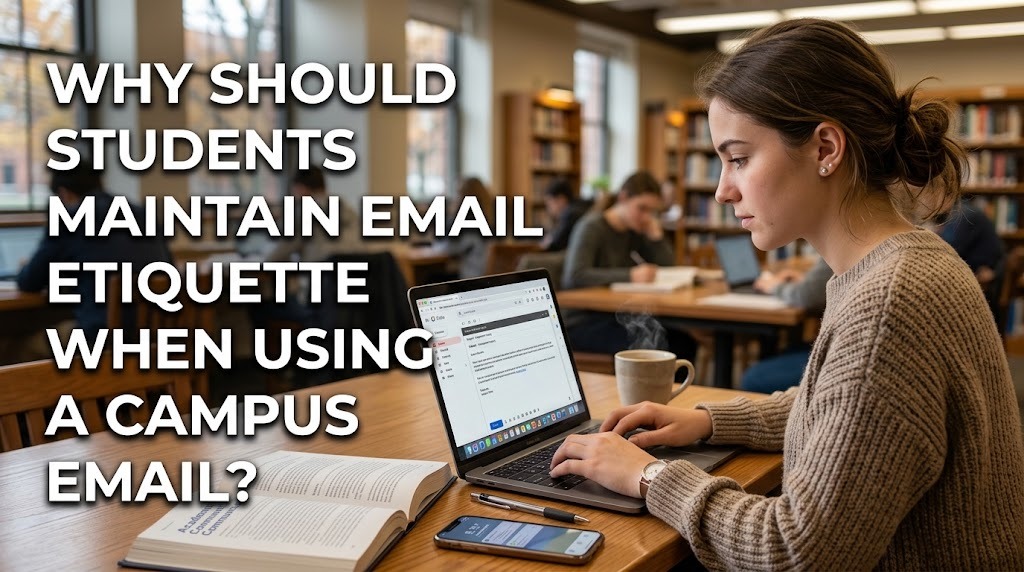
A campus email is an official communication tool that students can use for academic and administrative matters. Because it represents a student's connection with an educational institution, it should be used carefully and responsibly. Students often use email to communicate with lecturers, staff, classmates, and other members of the academic community. The way students write and respond to emails can affect how clearly their messages are understood. Therefore, maintaining good email etiquette is an important part of using a campus email.
CREATING CLEAR AND PROFESSIONAL COMMUNICATION
Good email etiquette helps students create clear and professional communication. An academic email should explain its purpose directly without using confusing or unnecessary sentences. Students should begin with an appropriate greeting and introduce themselves when the recipient may not immediately know who they are. The main purpose of the message should be explained clearly so the recipient can understand the request. A polite closing can then be used to finish the message appropriately.
Students should also choose a suitable subject line for every academic email. A specific subject makes it easier for lecturers or staff to identify the topic of a message. For example, a subject related to an assignment should clearly mention the course or purpose when appropriate. Clear formatting can make an email easier to read and respond to. These simple practices can make academic communication more efficient.
SHOWING RESPECT TO LECTURERS AND STAFF
Students communicate with lecturers and campus staff about many important matters. Using polite and respectful language shows consideration for the recipient's time and position. Students should avoid overly casual expressions, excessive abbreviations, or language that may sound demanding. Even when students need an answer quickly, the message should remain respectful. A professional tone can help create a positive communication environment.
Students should also consider when they send emails and how quickly they expect a response. Not every academic email requires an immediate reply, especially outside normal working hours. If a matter is urgent, students should explain the reason clearly instead of repeatedly sending the same message. Giving the recipient reasonable time to respond demonstrates good communication habits. This approach can make interactions more comfortable for both students and staff.
USING APPROPRIATE LANGUAGE AND FORMAT
The language used in an academic email should be simple, polite, and appropriate. Students should check spelling, grammar, and sentence structure before sending important messages. Writing an entire email in capital letters may appear aggressive or difficult to read, so normal capitalization is generally preferable. Emojis and informal expressions should also be used carefully in academic communication. The goal is to make the message easy to understand while maintaining a suitable tone.
Email formatting is equally important. Students should divide longer messages into short paragraphs so the recipient can follow the information easily. Important details such as dates, course names, or specific questions should be stated clearly. Students should avoid sending messages that contain only vague statements such as asking whether a lecturer is available without explaining the purpose. A well-structured email saves time and reduces the possibility of misunderstanding.
CHECKING ATTACHMENTS AND EMAIL DETAILS
Students often use campus email to send assignments and academic documents. Before clicking the send button, they should check whether the correct attachment has been included. They should also make sure that the file opens properly and follows any requirements provided by the lecturer or institution. A suitable file name can make the document easier to identify. These checks can prevent avoidable mistakes during academic submissions.
Students should also review the recipient's email address carefully. Sending a private document to the wrong person can create unnecessary problems. The subject line should match the content of the message, and students should confirm that all necessary information has been included. Taking a few moments to review an email before sending it can improve accuracy and professionalism.
PROTECTING PRIVACY AND ACCOUNT SECURITY
Good email etiquette also involves being responsible with academic privacy and account security. Students should avoid sharing passwords or allowing other people to use their campus email account. They should be careful when opening unexpected attachments or clicking unfamiliar links. Suspicious messages that request passwords or sensitive information should be treated cautiously. Protecting the account helps keep academic communication and personal information safer.
Students should also think carefully before forwarding emails or sharing messages with other people. Some academic communication may contain information intended only for specific recipients. If a message contains private information, students should not distribute it without an appropriate reason or permission. Responsible handling of email demonstrates respect for both privacy and the academic community.
CONCLUSION
Maintaining email etiquette is important when students use a campus email for academic communication. Clear language, respectful communication, appropriate formatting, and careful document handling can make emails more effective. Students should also pay attention to privacy and account security when sending or receiving messages. These habits can improve communication with lecturers and campus staff while helping students develop professional digital skills. By using campus email responsibly, students can create a more organized and respectful academic communication environment.
Tentang Penulis
Gusti Ayu Tita P
Penulis — Universitas STEKOM
Penulis aktif yang berfokus pada isu-isu akademik, teknologi pendidikan, dan pengembangan sumber daya manusia di lingkungan kampus.