Why Slow Living Fits Well For Today’s Busy Generation?
Gusti Ayu Tita P
24 September 2026
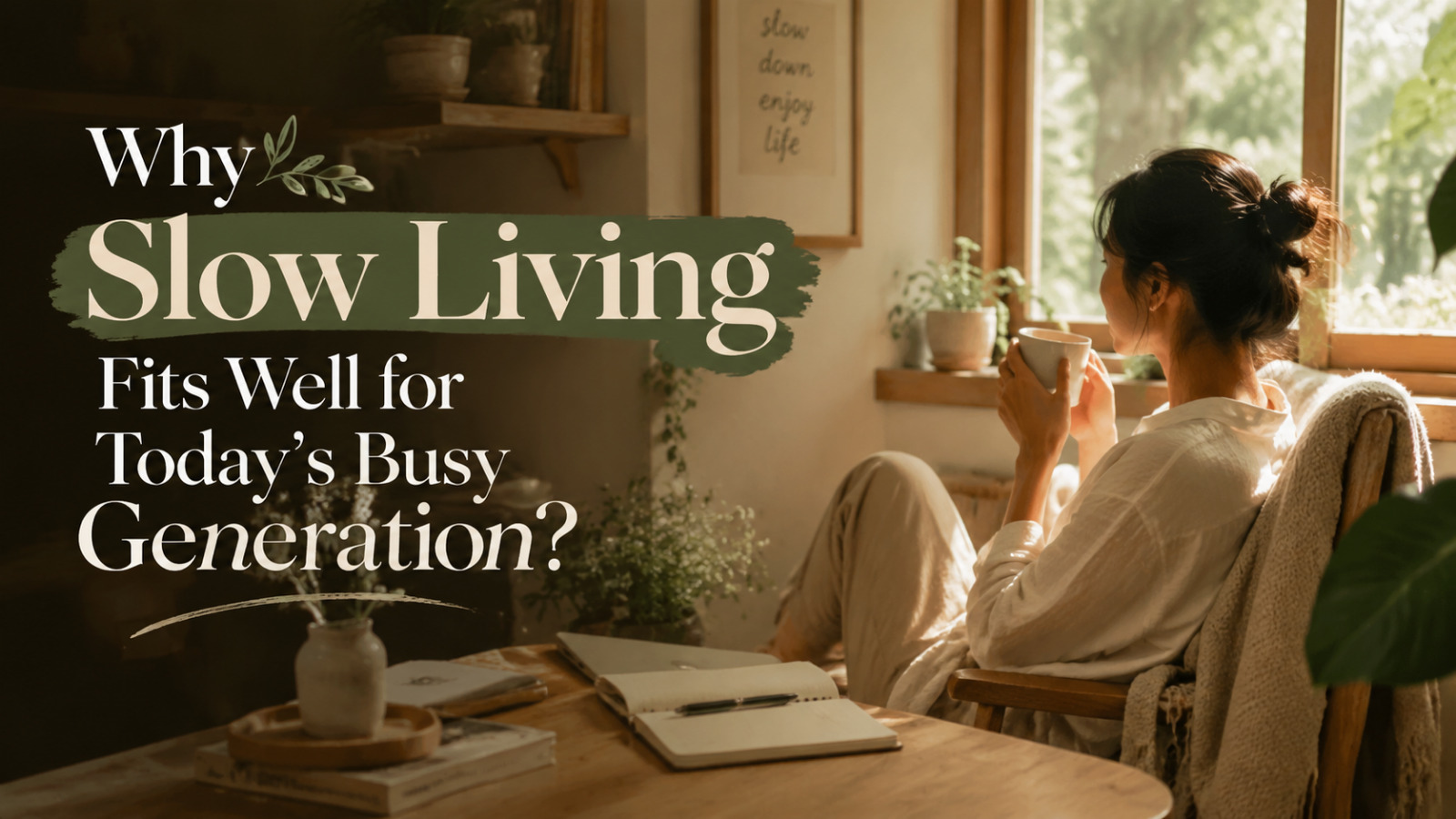
Modern life moves faster than ever. Technology, social media, demanding careers, and constant notifications often make people feel overwhelmed. Many individuals struggle to balance work, relationships, health, and personal goals, leading to stress and burnout. This situation has encouraged many people to embrace Slow Living, a lifestyle that prioritizes mindful choices, balance, and meaningful experiences instead of constant busyness.
Rather than encouraging people to do less without purpose, Slow Living teaches them to focus on what truly matters. It promotes intentional living, healthier routines, and improved mental well-being. This article explains why Slow Living is becoming increasingly relevant for today's busy generation and how adopting this lifestyle can create a more fulfilling and balanced life.
WHAT IS SLOW LIVING?
Slow Living is a lifestyle that encourages people to live intentionally rather than rushing through every aspect of life. Instead of measuring success by how busy someone is, this approach values quality over quantity, meaningful relationships, and personal well-being.
People who practice Slow Living make conscious decisions about how they spend their time, energy, and attention. They focus on activities that bring genuine happiness while reducing unnecessary stress and distractions. This mindset helps create a healthier relationship with work, technology, and everyday responsibilities.
WHY MODERN GENERATIONS NEED SLOW LIVING?
Today's generation faces constant pressure from academic demands, career competition, and digital connectivity. Many people feel they must always stay productive, respond immediately to messages, and achieve success quickly. Over time, this nonstop pace can negatively affect both physical and mental health.
Slow Living provides an opportunity to pause and reconnect with personal priorities. By slowing down, individuals become more aware of their emotions, reduce anxiety, and make better decisions. This balanced approach helps improve overall life satisfaction without sacrificing personal or professional growth.
BENEFITS OF ADOPTING A SLOW LIVING LIFESTYLE
One of the greatest benefits of Slow Living is improved Mental Health. Reducing unnecessary pressure allows the mind to recover from daily stress and promotes emotional stability. People often experience better focus, improved sleep quality, and increased happiness.
Another important advantage is stronger relationships. Spending meaningful time with family, friends, and colleagues builds deeper connections and better communication. Slow Living also encourages healthier habits such as mindful eating, regular exercise, and proper rest, creating long-term physical wellness.
SIMPLE WAYS TO PRACTICE SLOW LIVING
Practicing Slow Living does not require major lifestyle changes. Small daily habits can gradually create meaningful improvements. For example, limiting screen time, avoiding multitasking, and setting realistic daily priorities can reduce unnecessary stress.
Another effective habit is practicing gratitude and mindfulness. Taking a few minutes each day to appreciate positive moments helps develop a calmer perspective. Scheduling regular breaks, spending time in nature, and enjoying hobbies without feeling rushed also support a more balanced lifestyle.
THE CONNECTION BETWEEN SLOW LIVING AND PRODUCTIVITY
Many people mistakenly believe that slowing down reduces productivity. In reality, Slow Living often improves work performance because people become more focused and organized. Working with clear priorities usually produces better results than constantly multitasking.
By reducing mental fatigue, individuals can think more creatively and solve problems more effectively. Quality work often comes from a clear and rested mind rather than long hours of continuous activity. Sustainable productivity depends on maintaining both energy and well-being.
CHALLENGES OF EMBRACING SLOW LIVING
Although Slow Living offers many benefits, adopting this lifestyle may feel challenging in a fast-paced society. Social expectations, workplace demands, and constant digital distractions often make it difficult to slow down. Some people may even feel guilty when they are not constantly busy.
However, building a Balanced Lifestyle is a gradual process. Starting with small adjustments and consistently practicing intentional habits makes the transition easier. Over time, people often discover that slowing down actually helps them accomplish more meaningful goals while protecting their health.
TIPS FOR BUILDING A BALANCED LIFESTYLE
Creating a Balanced Lifestyle begins with identifying personal priorities. Focus on activities that align with your long-term values rather than trying to satisfy every demand. Learning to say no to unnecessary commitments is an important part of protecting your time and energy.
Developing healthy routines also supports long-term success. Regular sleep, nutritious meals, physical activity, and moments of relaxation improve both physical and emotional well-being. When these habits become consistent, Slow Living naturally becomes part of everyday life.
CONCLUSION
Slow Living is not about avoiding responsibilities or reducing ambition. Instead, it encourages people to make intentional choices that support Mental Health, meaningful relationships, and sustainable productivity. In today's fast-moving world, slowing down can actually help individuals achieve greater success with less stress.
By practicing Mindful Living, building a Balanced Lifestyle, and focusing on what truly matters, today's busy generation can create a healthier, happier, and more fulfilling future.
Tentang Penulis
Gusti Ayu Tita P
Penulis — Universitas STEKOM
Penulis aktif yang berfokus pada isu-isu akademik, teknologi pendidikan, dan pengembangan sumber daya manusia di lingkungan kampus.