Why Tolerance Matters in Schools and Education?
Gusti Ayu Tita P
9 Oktober 2026
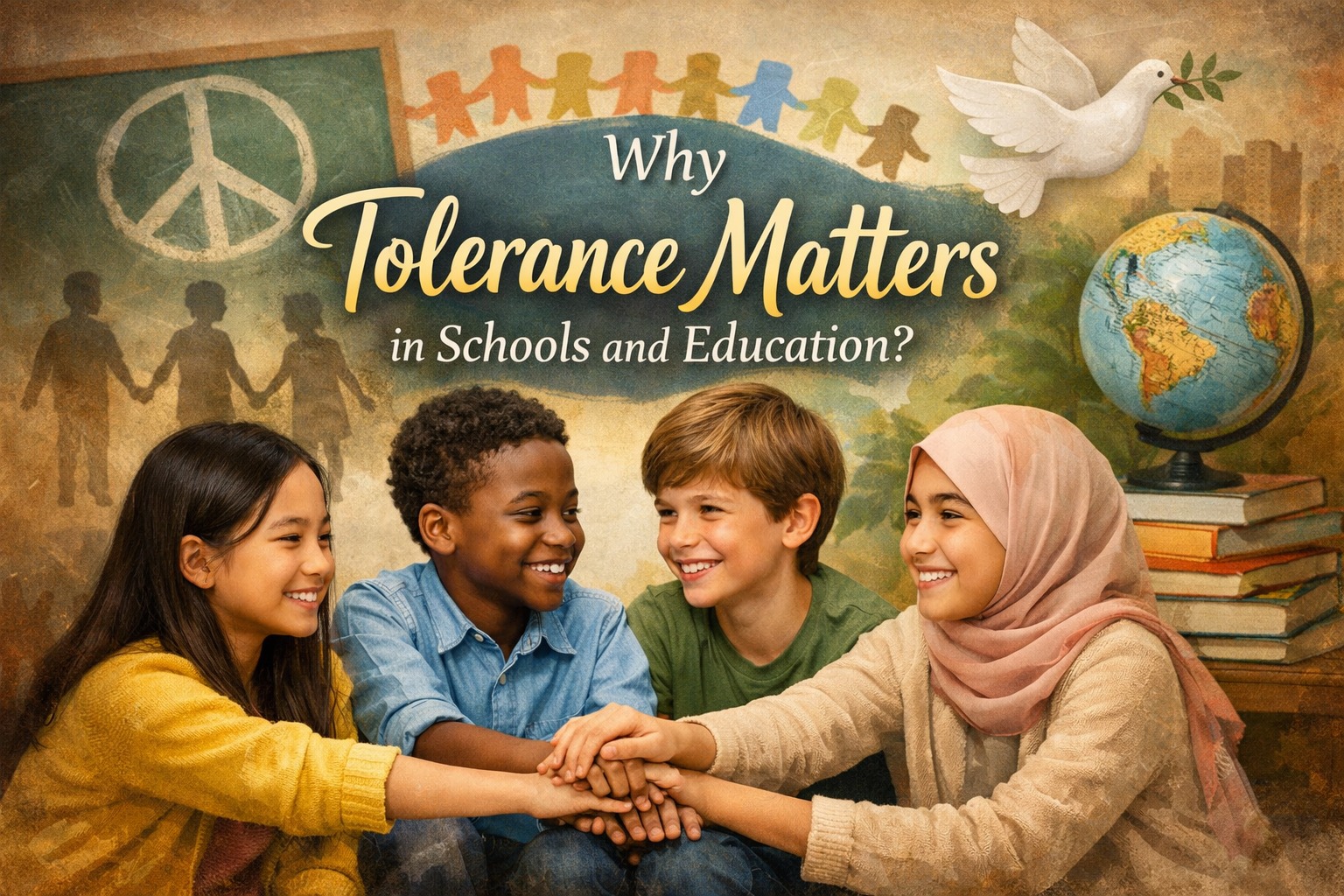
Tolerance is one of the most valuable qualities that schools can develop in students. In today's diverse world, children and young adults interact with classmates from different cultural, religious, social, and economic backgrounds. Learning to respect these differences helps create a positive learning environment where everyone feels accepted and valued. As education prepares students for future careers and society, tolerance becomes an essential life skill that supports cooperation, empathy, and mutual respect.
THE IMPORTANCE OF TOLERANCE IN EDUCATION
Tolerance encourages students to appreciate differences rather than fear them. When schools promote respect among learners, students become more willing to listen to different opinions and understand various perspectives. This creates classrooms where discussions are productive and disagreements are handled respectfully instead of leading to conflict.
Schools also play a major role in shaping students' values and character. Teaching tolerance helps reduce discrimination, prejudice, and bullying while encouraging kindness and fairness. As a result, students develop stronger social skills that benefit them both inside and outside the classroom.
HOW TOLERANCE CREATES A POSITIVE LEARNING ENVIRONMENT?
A classroom built on mutual respect allows every student to participate confidently without worrying about being judged. Students who feel accepted are more likely to ask questions, share ideas, and collaborate with classmates. This increases engagement and improves overall academic performance.
A positive learning environment also supports emotional well-being. When teachers and students treat one another with respect, trust naturally develops. This atmosphere encourages teamwork, creativity, and problem-solving, making learning more enjoyable and meaningful for everyone.
THE ROLE OF TEACHERS IN PROMOTING TOLERANCE
Teachers have a significant influence on how students behave toward one another. By demonstrating respect, fairness, and open-mindedness, educators provide examples that students can follow in their daily interactions. Small actions, such as giving every student equal opportunities to participate, reinforce the importance of inclusion.
Teachers can also incorporate lessons about different cultures, traditions, and beliefs into classroom activities. Group discussions, collaborative projects, and community-based learning help students interact with people from various backgrounds. These experiences strengthen empathy and encourage students to appreciate diversity instead of fearing it.
BENEFITS OF TOLERANCE FOR STUDENTS
Students who practice tolerance often develop stronger communication and interpersonal skills. They become better listeners, more understanding of others' opinions, and more capable of resolving conflicts peacefully. These qualities are valuable throughout school, university, and professional life.
In addition, tolerance supports personal growth by encouraging curiosity and lifelong learning. Students become more confident when interacting with people from different backgrounds and are better prepared to succeed in multicultural workplaces. Employers increasingly value individuals who can work effectively in diverse teams.
PRACTICAL WAYS TO BUILD TOLERANCE IN SCHOOLS
Schools can promote tolerance through everyday activities rather than relying only on formal lessons. Encouraging respectful discussions, celebrating cultural events, organizing teamwork exercises, and implementing anti-bullying programs all contribute to a more inclusive school environment. Parents can further reinforce these values by modeling respectful behavior at home.
Students themselves also play an important role. Listening carefully, avoiding stereotypes, helping classmates, and appreciating different viewpoints are simple actions that strengthen tolerance every day. Consistent practice of these habits helps build lasting friendships and a stronger school community.
CONCLUSION
Tolerance is far more than simply accepting differences. It is the foundation of inclusive education, healthy relationships, and responsible citizenship. Schools that prioritize respect, empathy, and understanding prepare students to become compassionate individuals who can contribute positively to society.
By teaching and practicing tolerance every day, educational institutions create safer classrooms, improve learning experiences, and help students develop the skills needed for an increasingly interconnected world. Investing in tolerance today means building a more peaceful and successful future for everyone.
Tentang Penulis
Gusti Ayu Tita P
Penulis — Universitas STEKOM
Penulis aktif yang berfokus pada isu-isu akademik, teknologi pendidikan, dan pengembangan sumber daya manusia di lingkungan kampus.