
10 Signs of Toxic Positivity You Should Never Ignore
Gusti Ayu Tita P
30 Juli 2026
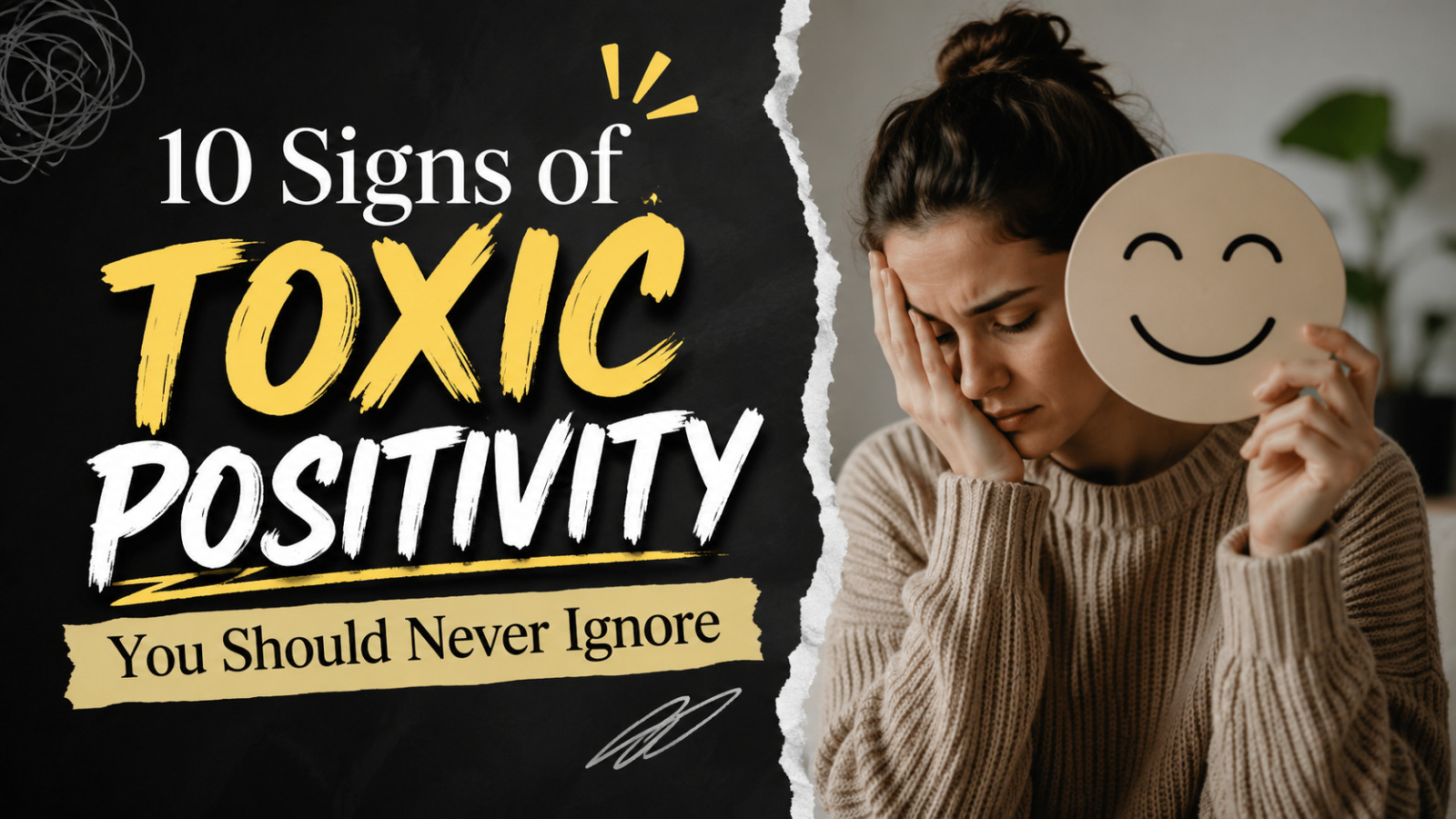
In today's fast-paced world, many people are encouraged to stay positive no matter what. While optimism is generally healthy, forcing yourself or others to ignore difficult emotions can become harmful. This behavior is known as toxic positivity, a mindset that dismisses sadness, frustration, anger, or grief in favor of constant positivity.
Toxic positivity often sounds supportive on the surface, but it can make people feel misunderstood, isolated, and emotionally invalidated. Recognizing the warning signs can help you build healthier relationships and improve emotional well-being. Here are the most common signs you should never ignore.
WHAT IS TOXIC POSITIVITY?
Toxic positivity is the belief that people should maintain a positive attitude regardless of how difficult or painful a situation may be. Instead of acknowledging genuine emotions, it encourages people to hide or suppress them. Although positivity itself is beneficial, it becomes unhealthy when it replaces emotional honesty. Everyone experiences challenges, and negative emotions are a natural part of life. Accepting those emotions is essential for personal growth and mental well-being.
People who practice toxic positivity may not intend to cause harm. They often believe they are helping by encouraging others to "look on the bright side." However, repeatedly dismissing someone's feelings can prevent emotional healing and create unnecessary guilt. Healthy emotional support begins with listening, understanding, and validating emotions instead of denying them.
COMMON SIGNS OF TOXIC POSITIVITY
One clear sign is constantly hearing phrases like "Just stay positive," "Everything happens for a reason," or "Others have it worse." While these statements may sound comforting, they often minimize genuine struggles. Another warning sign is feeling guilty for experiencing sadness, anxiety, or disappointment because you believe you should always be happy. Suppressing emotions instead of processing them can increase stress over time.
Another common sign is avoiding difficult conversations because they feel uncomfortable. Some people refuse to discuss emotional pain and immediately try to change the subject to something positive. Others may judge themselves or others for showing vulnerability. Healthy emotional expression requires accepting both positive and negative experiences without shame.
WHY TOXIC POSITIVITY CAN BE HARMFUL
Ignoring emotions does not make them disappear. Instead, suppressed feelings often become chronic stress, emotional exhaustion, anxiety, or burnout. People may struggle to build meaningful relationships because they fear being judged whenever they express vulnerability. Emotional honesty creates stronger trust than forced optimism.
Toxic positivity can also reduce empathy. When someone's pain is dismissed, they may stop sharing their experiences altogether. Over time, this can increase feelings of loneliness and emotional isolation. Accepting uncomfortable emotions allows people to solve problems more effectively and recover in a healthier way.
HOW TO RESPOND IN A HEALTHIER WAY
Instead of offering quick positive statements, practice active listening. Let others explain how they feel without interrupting or immediately trying to fix the situation. Sometimes people simply need someone who understands rather than someone who provides solutions. Validating emotions does not mean encouraging negativity; it means recognizing that feelings are real and deserve attention.
You can also improve emotional well-being by accepting your own emotions without judgment. Allow yourself to feel sadness, disappointment, or frustration when appropriate. Journaling, talking with trusted friends, or seeking professional support can all help process emotions in healthy ways. True resilience comes from facing emotions honestly, not hiding them behind forced positivity.
FINAL THOUGHTS
Positivity remains an important part of a healthy life, but it should never replace emotional authenticity. Recognizing the signs of toxic positivity helps create stronger relationships, better communication, and improved mental health. Everyone deserves the freedom to express both joy and hardship without fear of judgment. Accepting all emotions is a sign of emotional strength, not weakness.
By choosing empathy over empty encouragement, you can support yourself and others more effectively. A balanced emotional approach leads to healthier coping skills and long-term well-being. Remember that healing begins when people feel heard, accepted, and understood.
About the Author
Gusti Ayu Tita P
Author — STEKOM University
An active author focused on academic issues, educational technology, and human resource development in the campus environment.















