Why Are Young People More Likely to Overshare on Social Media?
Gusti Ayu Tita P
18 September 2026
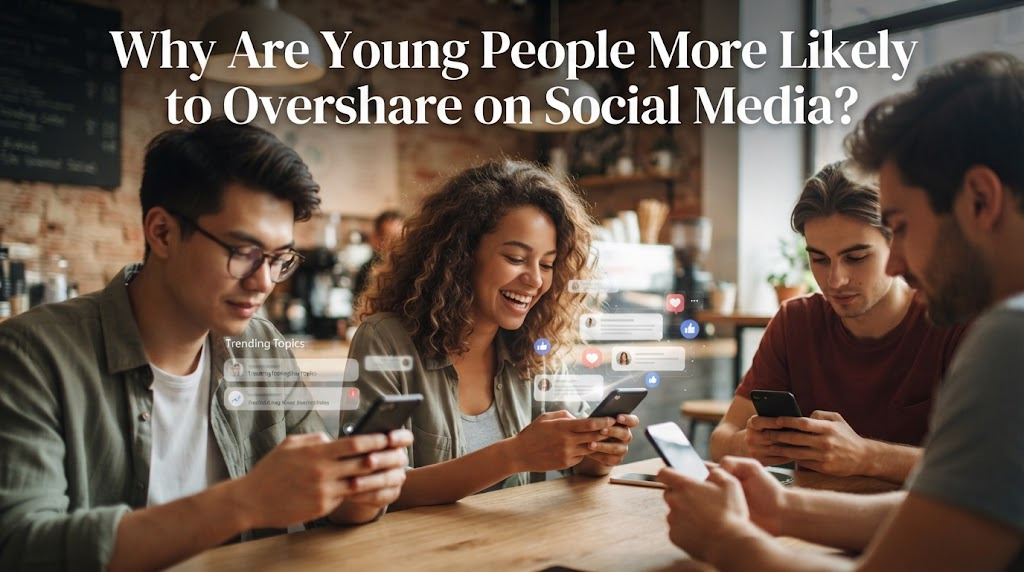
Oversharing refers to sharing too much personal information with other people, especially through social media and online platforms. Many people share photos, locations, daily activities, family information, or personal experiences without considering the possible risks. Although sharing content can be a normal part of online communication, excessive disclosure can make personal information easier for others to access and misuse. Understanding the connection between oversharing and personal data security is important for anyone who uses the internet regularly.
HOW DOES OVERSHARING AFFECT PERSONAL DATA SECURITY?
Oversharing can weaken personal data security because information posted online may reveal details that should remain private. Simple information such as a full name, birthday, school, workplace, phone number, or location can become useful when combined with other publicly available information. Attackers may use these details to create convincing scams or attempt to gain unauthorized access to an account. The more information a person shares publicly, the more opportunities there may be for misuse.
Another concern is that online content can be copied, saved, or shared by other people without the original owner's permission. Deleting a post does not always guarantee that all copies have disappeared. This makes online privacy an important consideration before publishing personal content. People should think carefully about whether the information they share could create a security problem later.
WHAT PERSONAL INFORMATION CAN BECOME A SECURITY RISK?
Different types of personal information can create different security risks. Phone numbers, email addresses, home addresses, school information, and workplace details can expose a person to unwanted contact or targeted scams. Photos can also reveal important information through backgrounds, identification cards, documents, vehicle plates, or visible locations. Even information that seems harmless may become sensitive when combined with other details.
Information about daily routines can also create privacy concerns. Posting that you are away from home, sharing your regular schedule, or continuously displaying your location can reveal patterns about your activities. For this reason, personal information protection should include both obvious sensitive data and seemingly ordinary details that can be connected together.
CAN OVERSHARING INCREASE THE RISK OF ONLINE SCAMS?
Yes, oversharing can provide information that scammers use to make phishing and social engineering attacks more convincing. For example, a scammer may learn a person's school, favorite activities, workplace, or family relationships from public posts. They can then use those details to create messages that appear familiar or trustworthy. A person may be more likely to respond when a suspicious message contains information that feels personally relevant.
Oversharing can also expose clues that help attackers guess passwords or security questions. Information about birthdays, pets, favorite teams, or family members is sometimes used in weak password habits. Although this information alone does not automatically give someone access to an account, it can contribute to a broader attack. Practicing digital security awareness can therefore reduce the chances of personal information being used against you.
WHY CAN LOCATION SHARING BE DANGEROUS?
Sharing a real-time location can create additional privacy and safety concerns. Posts showing that someone is currently at a particular place may reveal their movements to a wider audience than they expect. Repeated location posts can also create a pattern that shows where a person frequently lives, studies, works, or spends time. This information may become more sensitive when combined with a public profile containing other personal details.
A safer approach is to consider when and where information is shared. Instead of posting a location while still there, some people may choose to share the experience later. Users should also review location permissions and privacy settings on their devices and social media accounts. Limiting unnecessary location exposure is one practical way to strengthen online privacy and security.
HOW CAN PEOPLE REDUCE THE RISKS OF OVERSHARING?
Reducing oversharing starts with reviewing the information that is already publicly available. Users can check their social media profiles and remove unnecessary personal details from public posts or profile sections. It is also useful to use strong passwords, multi-factor authentication, and updated privacy settings. These measures can reduce the potential impact of exposed information, although they cannot eliminate every online risk.
Before posting something, users can ask themselves whether the information is necessary, who can see it, and whether they would be comfortable if it were copied or shared elsewhere. Avoiding sensitive documents, private contact details, passwords, and precise real-time locations is especially important. People should also be careful when accepting followers or friend requests from unknown accounts. Developing careful online sharing habits can make everyday internet use safer.
CONCLUSION
Oversharing can affect personal data security by exposing information that may be collected, copied, combined, or misused by other people. Details such as locations, contact information, routines, and personal relationships can sometimes provide useful clues for scams and social engineering attacks. However, users can reduce these risks by limiting unnecessary information, reviewing privacy settings, and thinking carefully before posting. Building good digital privacy habits is an important step toward protecting personal information in an increasingly connected world.
About the Author
Gusti Ayu Tita P
Author — STEKOM University
An active author focused on academic issues, educational technology, and human resource development in the campus environment.