
A Guide To Choosing A Strategic Location For A Rental House
Gusti Ayu Tita P
21 Agustus 2026
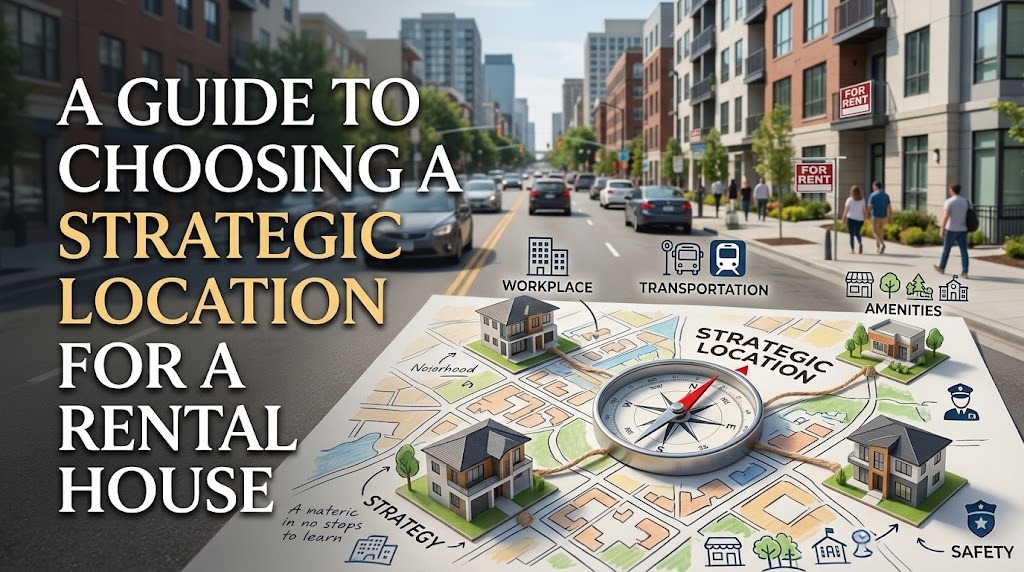
Choosing the right location is one of the most important steps when looking for a rental house. A house may have a good design and affordable rent, but an inconvenient location can make daily life more difficult. Accessibility, transportation, safety, nearby facilities, and living costs should all be considered before making a decision. A strategic location can save time and make everyday activities more efficient. Therefore, understanding how to evaluate a location can help tenants find a rental house that is practical, comfortable, and suitable for their lifestyle.
CONSIDER THE DISTANCE TO DAILY DESTINATIONS
The first factor to consider is the distance between the rental house and places that you visit regularly. These may include workplaces, schools, universities, markets, healthcare facilities, and family-related destinations. A shorter distance can reduce commuting time and make daily schedules easier to manage. This is especially important for people who have busy routines.
However, distance should not be considered alone. A house that looks close on a map may still require a long journey because of traffic or poor road access. Try checking the actual travel time during normal commuting hours. Practical travel distances can contribute significantly to daily comfort.
CHECK TRANSPORTATION ACCESS
Good transportation access is essential, especially for tenants who do not always use private vehicles. Check whether the rental house is near bus stops, train stations, major roads, or other public transportation options. Reliable transportation can make commuting more convenient and provide greater mobility. It can also be useful for students, workers, and family members with different schedules.
For people who use motorcycles or cars, road conditions should also be inspected. Consider traffic congestion, road width, parking availability, and accessibility during rainy weather. A location with several transportation options can provide more flexibility. Good transport access can also reduce dependence on a single mode of transportation.
LOOK FOR ESSENTIAL FACILITIES NEARBY
A strategic rental location should provide convenient access to essential facilities. Check whether there are markets, grocery stores, pharmacies, healthcare centers, schools, banks, and places of worship within a reasonable distance. Easy access to these facilities can save time when handling everyday needs. It can also be especially helpful during emergencies.
The availability of nearby facilities should match the tenant's lifestyle. A student may prioritize educational facilities and affordable food options, while a family may focus on schools, healthcare, and shopping areas. Make a list of frequently used facilities before searching for a property. Nearby amenities can make a rental house much more practical.
EVALUATE THE SAFETY OF THE NEIGHBORHOOD
Safety is a major consideration when choosing a rental house. Observe street lighting, road conditions, security measures, neighborhood activity, and access to the property. Visit the area during both daytime and nighttime when possible. This can provide a more realistic picture of the neighborhood.
Speaking with local residents can also provide useful information about the area's general conditions. However, personal observations should still be combined with other reliable information. Families with children should pay additional attention to traffic and potentially hazardous areas. A safe neighborhood is essential for a comfortable and peaceful living experience.
CHECK THE NOISE LEVEL
Noise can strongly affect the quality of life in a rental house. A property near a major road, entertainment venue, industrial area, or busy commercial district may experience higher noise levels. Tenants who work or study from home may be particularly sensitive to disturbances. A relatively quiet environment can support better sleep, concentration, and relaxation.
Do not judge noise levels from a single visit. Visit the area at different times to understand how conditions change throughout the day. Listen for traffic, construction, businesses, public activities, and other recurring sources of noise. This simple check can prevent disappointment after moving in.
CONSIDER FUTURE DEVELOPMENT
A location that looks ideal today may change in the future. New roads, commercial buildings, housing developments, or construction projects can affect traffic, noise, accessibility, and neighborhood character. Tenants who plan to stay for several years should consider possible changes around the property. Information about planned development may be available through local authorities or other reliable sources.
Development is not always negative. New infrastructure and facilities can improve accessibility and convenience. However, construction may also create temporary noise or traffic problems. Future neighborhood changes should therefore be considered when evaluating a rental location.
CALCULATE TRANSPORTATION AND LIVING COSTS
A low rental price does not always mean that a property is the cheapest option overall. A house located far from work or school may require more spending on fuel, public transportation, parking, or ride services. These additional expenses can significantly affect a household's monthly budget. Tenants should calculate housing and transportation costs together.
Compare several locations based on their total monthly expenses. A slightly more expensive rental house may actually be more economical if it significantly reduces commuting costs. This approach helps tenants make decisions based on real affordability rather than rent alone. Total living costs are an important part of choosing a strategic location.
CHECK INTERNET AND DIGITAL CONNECTIVITY
Reliable internet access has become increasingly important for modern lifestyles. Students may need it for online learning, while workers may depend on it for remote work and communication. Before renting, check the availability and quality of internet and mobile network services in the area. Poor connectivity can become a serious inconvenience for people who rely on digital services.
Ask the property owner or nearby residents about available internet providers if necessary. Do not assume that a strong signal in another neighborhood will provide the same experience at the rental property. Digital connectivity should be treated as part of the practical infrastructure of a modern home. Reliable connectivity can make a rental location much more useful.
OBSERVE CLEANLINESS AND DRAINAGE
The physical condition of the surrounding neighborhood can affect comfort and safety. Look at road cleanliness, waste management, drainage systems, standing water, and general environmental conditions. Poor drainage may become particularly problematic during periods of heavy rainfall. A clean and well-maintained neighborhood generally provides a more pleasant living environment.
Visit the location after rain if possible or ask residents about common drainage problems. Check whether water tends to collect near the house or on access roads. These details may not be obvious during a dry day. Good environmental conditions are an important part of a strategic rental location.
MATCH THE LOCATION WITH YOUR LIFESTYLE
The best location is not necessarily the busiest or most expensive area. It should match the tenant's daily routine, priorities, budget, and personal preferences. Someone who works remotely may prioritize quiet surroundings and reliable internet, while a commuter may prefer proximity to public transportation. Families may place greater importance on schools, healthcare, and neighborhood safety.
Create a list of essential and optional location features before starting your search. This can prevent you from choosing a property simply because it looks attractive. Compare each rental house based on how well it supports your actual lifestyle. A personalized location choice is more likely to provide long term satisfaction.
CONCLUSION
Choosing a strategic location for a rental house requires more than checking the distance to one destination. Tenants should evaluate transportation, essential facilities, safety, noise, environmental conditions, internet access, future development, and total living costs. Visiting the neighborhood at different times can provide valuable information that online listings may not show. The ideal location should make daily activities easier while remaining affordable and suitable for the tenant's lifestyle. With careful research and comparison, finding a strategic rental house location can become a much easier and more informed process.
About the Author
Gusti Ayu Tita P
Author — STEKOM University
An active author focused on academic issues, educational technology, and human resource development in the campus environment.